Database
Air Gapped Database

An air gapped, stand-alone Windows database system offers a unique and powerful approach to data security in an era where most breaches occur through network connections. While cloud platforms and network-connected databases provide convenience and accessibility, they also expand the attack surface that malicious actors can exploit. By contrast, an air gapped system is physically and logically isolated from external networks, including the internet and internal corporate networks. This isolation fundamentally changes the security model, making many common attack vectors irrelevant and dramatically reducing risk.
At its core, an air gapped database operates on a computer or server that has no direct network connectivity. There is no Wi-Fi, no Ethernet connection, and no remote access services enabled. The system functions independently, with data stored locally and accessed only by authorized users who have physical access to the machine. When combined with a stand-alone Windows database application, this design creates a controlled environment where security policies can be enforced with a high degree of confidence.
One of the most significant security benefits of an air gapped system is protection from remote cyberattacks. Most data breaches today rely on network access, whether through phishing attacks, malware downloads, ransomware, or exploitation of unpatched services. Because an air gapped database has no network connection, these attack methods simply do not apply. There is no path for a remote attacker to scan ports, inject malicious code over the network, or exfiltrate data to an external server.
Ransomware is a particularly important threat that air gapped systems effectively neutralize. Ransomware typically spreads through email attachments, compromised websites, or network shares. In a properly maintained air gapped environment, these delivery mechanisms are absent. Even if ransomware exists elsewhere within an organization, it cannot reach the isolated database machine unless someone physically introduces it. This dramatically lowers the likelihood of large-scale data encryption and extortion attacks.
Another major advantage is the reduction of dependency on external services and infrastructure. Networked databases often rely on authentication servers, cloud services, domain controllers, and remote backups. Each of these components introduces additional complexity and potential vulnerabilities. A stand-alone Windows database can operate independently, using local user accounts and permissions. Fewer dependencies mean fewer points of failure and fewer opportunities for misconfiguration that could weaken security.
Physical access control becomes a central pillar of security in an air gapped system. Because access requires being physically present at the machine, organizations can enforce strict controls over who is allowed near the system. Locked rooms, access badges, surveillance cameras, and sign-in logs all become part of the security model. This approach is particularly effective for environments where data sensitivity is extremely high, such as government agencies, research labs, industrial control systems, and organizations handling regulated or proprietary information.
User authentication and authorization are also easier to manage in a stand-alone Windows environment. The database can be configured with strong local authentication, role-based permissions, and limited administrative access. Because there is no external connectivity, there is no risk of stolen credentials being used remotely. Even if a password were compromised, it would still require physical access to the machine to be exploited.
Data integrity is another key benefit of an air gapped database system. Networked databases are constantly exposed to risks such as man-in-the-middle attacks, unauthorized queries, and data corruption caused by malicious traffic. In an isolated environment, data changes occur only through direct interaction with the database application. This makes it far easier to audit changes, detect anomalies, and ensure that data remains accurate and trustworthy over time.
Air gapped systems also provide strong protection against automated attacks. Modern cyber threats often rely on automation, scanning the internet for vulnerable systems and exploiting them at scale. Because an air gapped database is invisible to the outside world, it cannot be discovered by automated tools. This eliminates entire categories of opportunistic attacks that target exposed services.
From a compliance and regulatory perspective, air gapped databases can simplify security requirements. Many regulations emphasize minimizing access, protecting sensitive data, and reducing exposure to external threats. Physical isolation directly supports these goals. While compliance still requires proper policies and documentation, the underlying architecture inherently aligns with principles such as least privilege and defense in depth.
Another often overlooked benefit is the ability to tightly control software updates and changes. Networked systems are frequently updated automatically, which can introduce unexpected behavior or new vulnerabilities. In an air gapped environment, updates are applied deliberately and only after being tested. This controlled update process reduces the risk of introducing security flaws or destabilizing the system.
Data exfiltration is significantly more difficult in an air gapped setup. Even an insider with malicious intent faces barriers, as data cannot be transmitted electronically to external destinations. Any attempt to remove data would typically involve physical media, such as USB drives or external disks, which can be monitored, restricted, or audited. This creates a clear trail and deterrent against unauthorized data removal.
Air gapped systems also offer resilience against supply chain attacks that rely on continuous connectivity. While no system is completely immune to all threats, the absence of a network connection limits the impact of compromised updates, remote management tools, or third-party services. Organizations maintain full control over what software is installed and when.
Backup and recovery processes in an air gapped environment can also be more secure. Backups can be stored offline on encrypted media and kept in secure physical locations. This protects backup data from network-based attacks and ensures that recovery remains possible even if other systems are compromised.
In addition to security, air gapped stand-alone databases often provide operational stability. Without network traffic, background services, or remote dependencies, system performance is predictable and consistent. This stability supports long-term reliability, which is particularly important for archival data, industrial systems, and mission-critical applications.
It is important to acknowledge that air gapped systems require disciplined operational practices. Procedures for data transfer, updates, and user access must be clearly defined and followed. However, when properly managed, these practices reinforce security rather than complicate it. The deliberate nature of working with an air gapped system encourages thoughtful decision-making and reduces impulsive or risky actions.
In conclusion, an air gapped stand-alone Windows database system offers numerous and substantial security benefits. By eliminating network connectivity, it removes many of the most common and dangerous attack vectors, including remote exploits, ransomware, and automated scanning attacks. Physical access control, simplified authentication, improved data integrity, and reduced dependency on external services all contribute to a robust security posture. For organizations that prioritize data protection over convenience, an air gapped database provides a proven, effective, and highly resilient approach to safeguarding critical information.
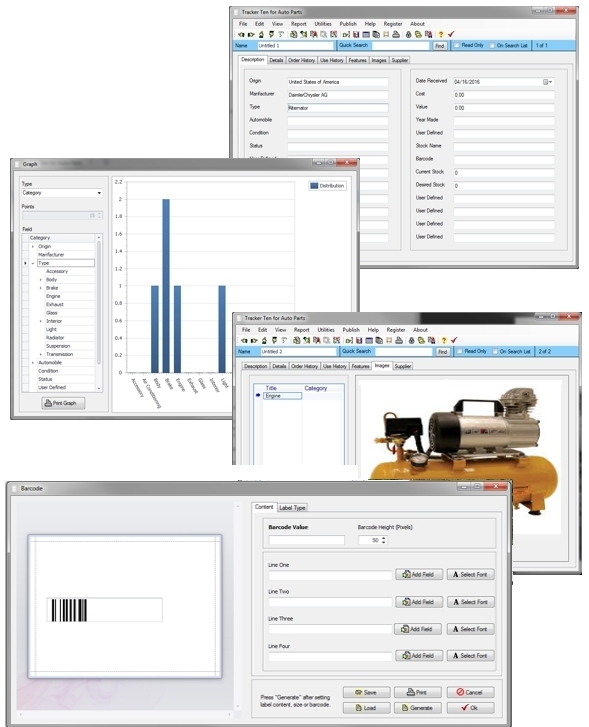
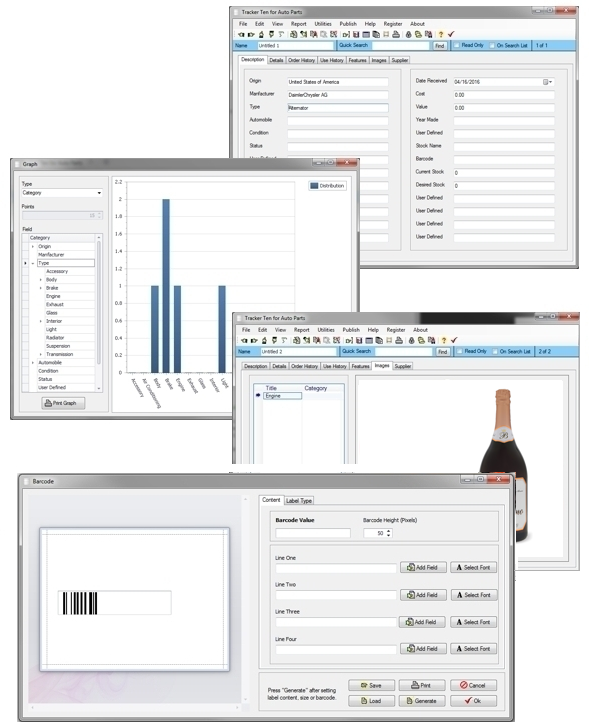
Looking for windows database software? Try Tracker Ten
- PREVIOUS Finding a Consultant to Create a Desktop Database Tuesday, August 20, 2024
- NextManaging Musical Instruments For Your School, Band or Store Sunday, August 11, 2024