Hobbies
Antique Collecting

Antique collecting is a hobby that involves the acquisition and appreciation of items that hold significant historical, cultural, or aesthetic value. While the general definition of an antique is an item that is at least 100 years old, collectors often consider items that are younger but have notable historical significance or exceptional craftsmanship.
Collectors may focus on specific categories of antiques such as furniture, jewelry, paintings, coins, books, textiles, or decorative objects, or they may maintain eclectic collections spanning various eras and regions. The motivations for collecting antiques vary: some people collect as an investment, others for nostalgia, and many simply for the joy of owning unique objects that tell a story.
Engaging in antique collecting offers numerous benefits. It allows collectors to connect with history, explore diverse cultures, and develop a keen eye for detail and craftsmanship. Moreover, antiques often carry stories or connections to significant historical events, providing collectors with a tangible link to the past.
However, antique collecting also presents challenges. Determining authenticity, assessing condition, and understanding provenance are crucial skills for collectors. The market for antiques can be complex, with values fluctuating due to rarity, condition, and demand. Additionally, sourcing genuine antiques often requires patience, research, and sometimes travel to auctions, estate sales, or antique fairs.
Success in antique collecting relies on a combination of knowledge, patience, and a passion for history. Here are some key considerations for those interested in building a meaningful antique collection:
Authenticity and provenance: Ensuring an antique's authenticity is fundamental. Provenance refers to the history of ownership of an item. Collectors often consult experts such as appraisers, museum curators, or antique dealers to verify authenticity and assess value. Historical documentation, maker's marks, and certificates can also help establish provenance.
Preservation and restoration: Antiques are often delicate and require careful handling to prevent damage. Proper storage, controlled environments, and occasional restoration are important to preserve their value and longevity. Restoration should be performed professionally to maintain historical integrity.
Market value: Antique values fluctuate based on rarity, demand, condition, and trends. Staying informed about market conditions, auction results, and collector interests can help guide purchasing decisions. Understanding the market allows collectors to make strategic acquisitions that balance passion and investment potential.
Community and networking: Engaging with fellow collectors, attending antique fairs, auctions, and exhibitions, and joining collector clubs can enhance knowledge and open doors to unique items. Networking often provides access to insider knowledge about rare finds and helps build relationships with trusted dealers.
Ethical considerations: Collectors must consider the ethics of acquiring certain antiques, especially items with cultural, religious, or colonial histories. Ethical collecting involves ensuring items are legally obtained, respecting cultural heritage, and avoiding the purchase of looted or illegally exported artifacts.
American Antiques
American antiques represent a rich tapestry of the United States’ cultural and historical evolution. Items considered American antiques are typically over 100 years old and span categories such as furniture, textiles, silverware, ceramics, paintings, and decorative objects.
Collectors often focus on specific historical periods or stylistic movements in American design. Some popular American antique styles include:
Colonial: Colonial American antiques reflect the craftsmanship of early settlers in the 17th and 18th centuries. Furniture and household items from this period were practical, made of local hardwoods like oak, maple, and cherry, and often featured simple yet durable designs. Colonial artifacts include wooden chairs, chests, and handcrafted utensils.
Federal: The Federal style, popular from the late 18th to early 19th centuries, is characterized by refined symmetry and classical motifs. Furniture from this era often features inlay work, delicate carving, and light proportions. Federal silverware and ceramics are also highly sought after for their elegance and historical significance.
Victorian: Victorian antiques, spanning the mid-19th to early 20th century, are known for ornate design, elaborate detailing, and rich upholstery. Furniture from this period often displays carvings, curved forms, and intricate patterns, reflecting the eclectic tastes of the Industrial Revolution era.
Arts and Crafts: Emerging in the late 19th century, the Arts and Crafts movement emphasized craftsmanship, simplicity, and natural materials. Collectors value oak furniture with clean lines, hand-joined construction, and functional design. Arts and Crafts items often include lighting, pottery, and metalwork that reflect the movement’s dedication to artistry and quality.
Mid-Century Modern: Post-World War II design introduced the Mid-Century Modern style, characterized by minimalist shapes, geometric forms, and innovative materials such as molded plywood, plastics, and metals. Collectors prize these items for their timeless appeal, functional design, and association with the modernist design movement.
American antiques offer more than decorative value—they provide a tangible link to the evolution of design, industry, and culture in the United States. Collecting these items allows enthusiasts to preserve and celebrate the country’s heritage.
European Antiques
European antiques include objects over 100 years old that showcase the continent’s rich cultural and artistic history. They encompass furniture, glassware, silver, ceramics, paintings, sculptures, and decorative arts. Each European region has unique historical influences and stylistic movements that appeal to collectors.
Notable European antique styles include:
Baroque: Originating in the 17th century, Baroque antiques feature grandeur, opulence, and dramatic detail. Furniture and decorative objects often exhibit gilded carvings, intricate inlays, and bold architectural motifs. Baroque pieces are prized for their artistic flair and historical significance.
Rococo: Rococo design emerged in 18th-century France and emphasizes lightness, elegance, and asymmetry. Furniture often has curved forms, ornate carvings, and pastel colors. Rococo objects, including mirrors, clocks, and porcelain, are celebrated for their whimsical beauty.
Neoclassical: Neoclassical style, popular in the late 18th century, drew inspiration from ancient Greece and Rome. Collectors value clean lines, classical motifs, and balanced proportions. Furniture, decorative arts, and silver from this era often reflect elegance and rational design principles.
Art Nouveau: Emerging in the late 19th century, Art Nouveau emphasizes organic shapes, flowing lines, and natural motifs. Collectors seek furniture, glassware, and jewelry from this movement for its artistry and unique forms that break from traditional geometric styles.
Art Deco: The Art Deco style of the 1920s is defined by geometric patterns, bold colors, and modern materials like chrome and lacquer. Art Deco furniture, clocks, and decorative items remain highly collectible due to their sophisticated, modern aesthetic.
European antiques reveal the continent’s artistic evolution and provide insight into social, political, and cultural histories. Collecting these items allows enthusiasts to appreciate the craftsmanship and creativity that shaped European decorative arts over centuries.
African Antiques
African antiques encompass items over 100 years old that hold cultural, historical, or aesthetic significance. They include sculptures, masks, textiles, pottery, weapons, jewelry, and ceremonial objects, reflecting Africa’s diverse cultures and traditions.
Some prominent African antique styles include:
Tribal art: Produced by various African tribes, these items often serve religious, ceremonial, or symbolic purposes. Tribal art includes masks, figurines, and textiles, and collectors value the deep cultural narratives embedded in each piece.
Benin bronzes: Created between the 16th and 18th centuries in the Kingdom of Benin (modern-day Nigeria), these intricately detailed plaques and sculptures were used for ceremonial purposes. They are highly prized for craftsmanship and historical importance.
Ethiopian crosses: Used in Ethiopian Orthodox Christianity, these brass or copper crosses are distinguished by elaborate patterns and symbolic motifs. Collectors appreciate their spiritual significance and detailed artistry.
Tuareg jewelry: Crafted by the Tuareg nomadic people of the Sahara, these silver pieces often feature intricate geometric designs and semi-precious stones. Tuareg jewelry represents both cultural identity and skilled metalworking.
Zulu beadwork: Known for bright colors and complex patterns, Zulu beadwork serves both decorative and communicative purposes. Collectors admire the craftsmanship and cultural symbolism embedded in these pieces.
African antiques provide insight into Africa’s rich heritage and artistic expression. Ethical considerations are crucial; collectors should verify the legal and cultural provenance of items to ensure responsible collecting.
Asian Antiques
Asian antiques are items over 100 years old that reflect the diverse cultures, artistic traditions, and historical developments of Asia. They include furniture, ceramics, lacquerware, textiles, paintings, and sculptures.
Popular Asian antique styles include:
Chinese: Chinese antiques range from Ming and Qing dynasty furniture to Tang and Song dynasty pottery and ceramics. Collectors value delicate porcelain, lacquerware, and intricately carved wooden furniture, often decorated with traditional motifs.
Japanese: Japanese antiques emphasize simplicity, natural materials, and subtle beauty. Edo period lacquerware, Meiji era ceramics, and samurai swords are highly collectible, reflecting refined craftsmanship and cultural heritage.
Korean: Korean antiques are known for rustic simplicity and elegant lines. Joseon dynasty furniture, Goryeo dynasty celadon pottery, and Silla dynasty gold artifacts exemplify Korea’s rich artistic traditions.
Indian: Indian antiques are celebrated for their elaborate design and vibrant colors. Mughal dynasty furniture, Rajasthani textiles, and Pala dynasty sculptures demonstrate mastery of materials such as wood, stone, and metal.
Southeast Asian: This region includes antiques from Thailand, Cambodia, Vietnam, and Indonesia. Collectors value Khmer sculptures, Thai celadon pottery, and Vietnamese lacquerware for their cultural and historical significance.
Asian antiques provide a deep understanding of cultural history, artistic expression, and regional diversity. Collectors should ensure items are obtained ethically and comply with local and international regulations on cultural property.
Valuing Antiques
Valuing antiques requires careful consideration of age, rarity, condition, provenance, and market demand. While valuing antiques is not an exact science, collectors can follow several guidelines to assess worth:
Research: Thorough research is the foundation of accurate valuation. Reference antique guides, auction catalogs, and online databases to understand similar items’ market value.
Condition assessment: The state of preservation significantly impacts value. Professional restoration may enhance value, but over-restoration can detract from authenticity.
Markings and signatures: Identifying makers’ marks, artist signatures, or production stamps can provide insight into provenance and authenticity, often increasing an item’s value.
Provenance: A well-documented ownership history adds value, especially if linked to notable individuals, exhibitions, or historical events.
Professional appraisal: Certified appraisers offer expert opinions, considering market trends, rarity, and condition to provide accurate valuations.
Market trends: Antique values fluctuate with collector interest, economic conditions, and trends. Monitoring auctions and sales of similar items helps maintain accurate assessments.
Understanding valuation is essential for informed buying, selling, or insuring antiques, and consulting with experts ensures reliable information.
Antique Collecting Software
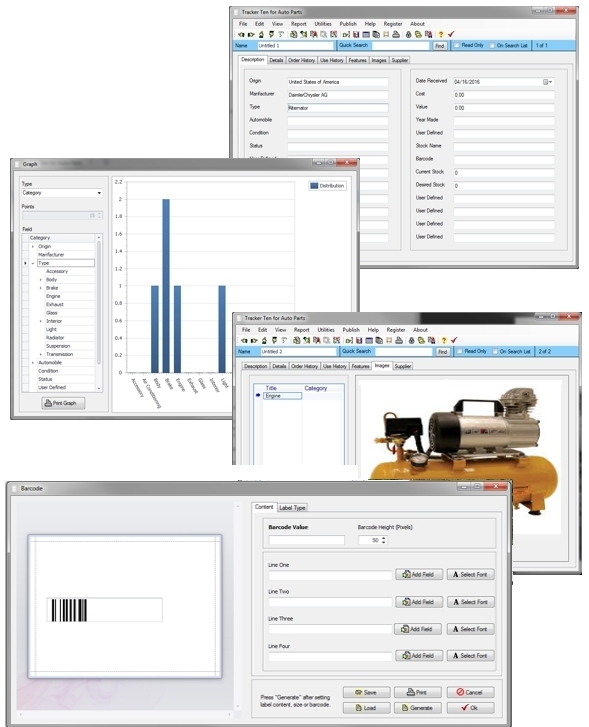
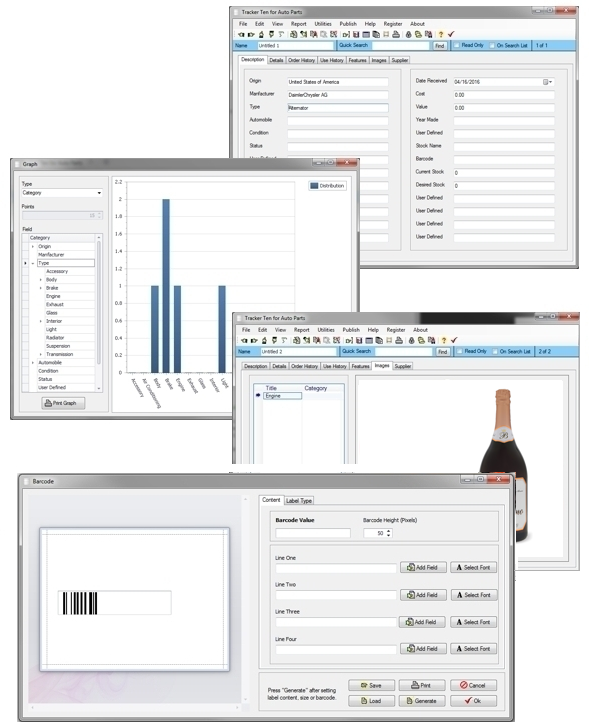
Managing a growing collection can be complex, but antique collecting software simplifies inventory, valuation, and record-keeping. Tracking items digitally helps maintain accurate values, manage insurance, and document provenance.
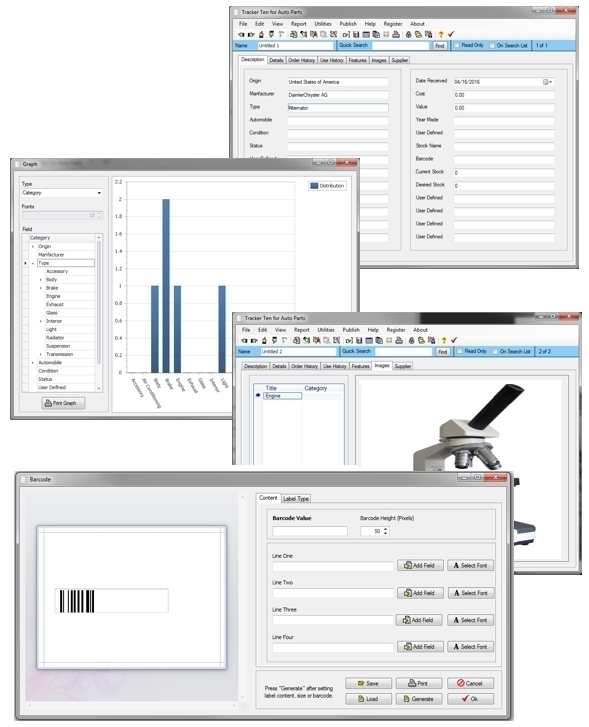
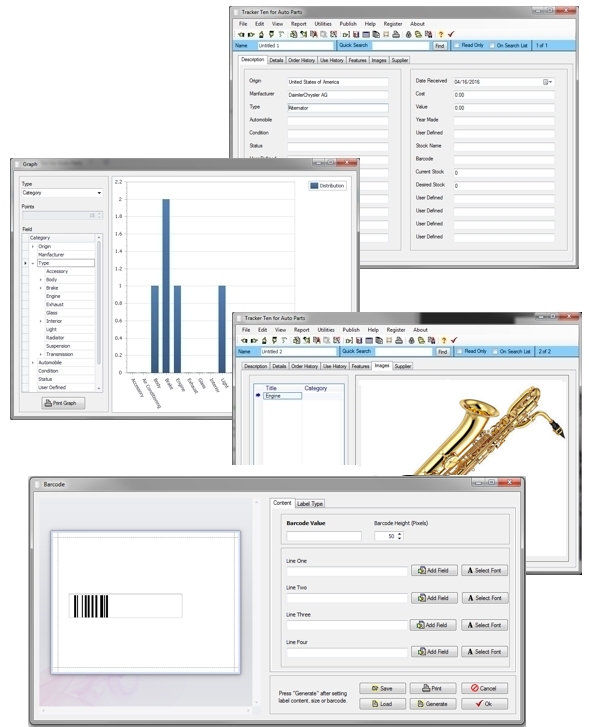
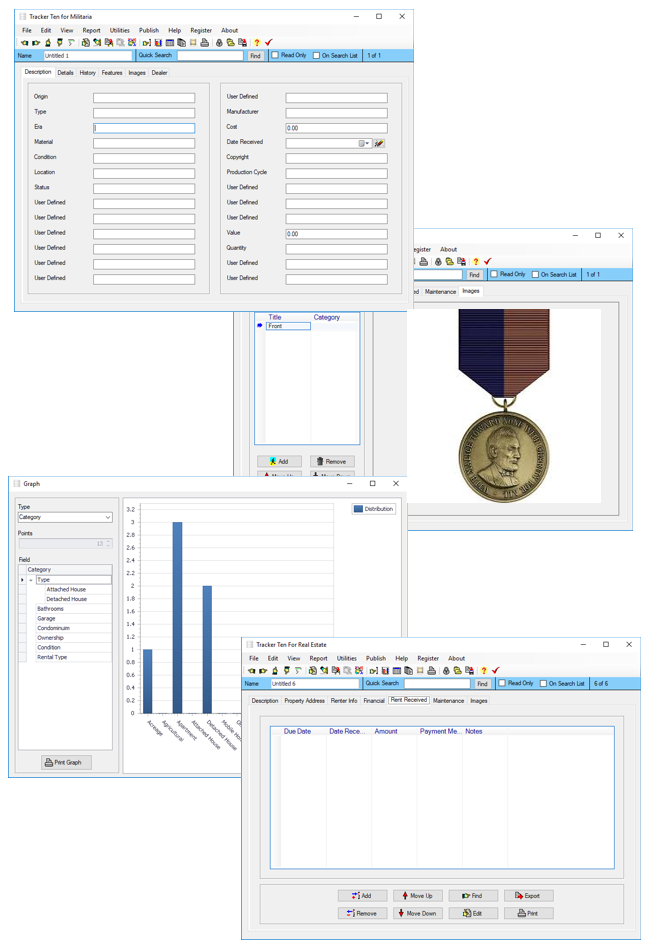
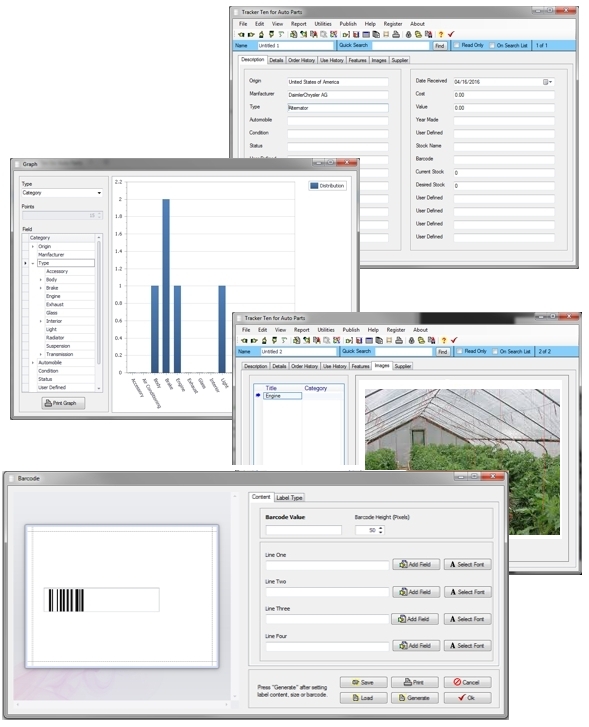
Software like Tracker Ten for Antiques allows collectors to catalog acquisitions, store photographs, track condition and restoration history, and monitor market values. Digital record-keeping enhances organization and ensures a professional approach to antique collecting.
Using software also facilitates research and can alert collectors to new acquisitions in their areas of interest. By combining traditional collecting knowledge with modern tools, collectors can enhance their hobby and protect their investments effectively.
In conclusion, antique collecting is a multifaceted and rewarding pursuit that combines history, art, and personal passion. With careful research, ethical practices, and attention to preservation, collectors can build meaningful collections that tell stories across time and culture. Whether focusing on American, European, African, or Asian antiques, the world of antique collecting offers endless opportunities for discovery, education, and appreciation.
Looking for windows database software? Try Tracker Ten
- PREVIOUS Database Query Optimization Wednesday, February 19, 2025
- NextDatabase Performance Metrics that Matter Tuesday, January 21, 2025