Business
Business Intelligence Database
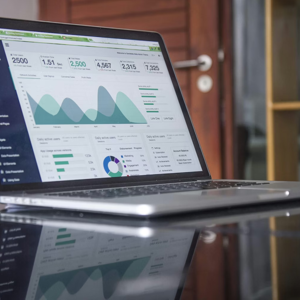
A business intelligence database is a specialized type of database designed specifically to support business intelligence (BI) activities. Unlike traditional transactional databases, which are optimized for recording day-to-day operations such as sales orders, invoices, or customer interactions, BI databases are optimized for analysis, reporting, and decision support. They store large volumes of historical and current data collected from many different sources, allowing organizations to examine their performance from multiple perspectives.
BI databases typically aggregate data from transactional systems, customer relationship management (CRM) platforms, enterprise resource planning (ERP) systems, marketing tools, spreadsheets, and even external sources such as social media feeds or third-party market data. This consolidated view of information enables organizations to move beyond isolated data silos and gain a holistic understanding of their operations. By centralizing data, BI databases ensure that everyone in the organization is working from a consistent and reliable set of numbers.
The primary purpose of a business intelligence database is to provide decision-makers with accurate, timely, and relevant information. Executives and managers rely on BI systems to support strategic planning, optimize operational processes, forecast future trends, and identify opportunities or risks. Instead of relying on intuition alone, organizations can use data-driven insights to guide decisions that have a direct impact on profitability, efficiency, and competitiveness.
A well-designed BI database typically includes several important features that distinguish it from other types of databases:
Data integration: BI databases are capable of integrating data from a wide variety of internal and external sources. This includes relational databases, cloud services, spreadsheets, flat files, APIs, and third-party data providers. Integration ensures that data from different systems can be analyzed together in a unified way.
Data quality: High-quality data is essential for reliable analysis. BI databases include processes for cleansing, validating, and standardizing data to ensure accuracy, consistency, completeness, and timeliness. Poor data quality can lead to misleading insights and poor decision-making.
Data analysis: BI databases are optimized for complex queries, aggregations, and calculations. They enable analysts to uncover patterns, correlations, and trends that may not be visible in raw transactional data. This analytical capability is at the core of business intelligence.
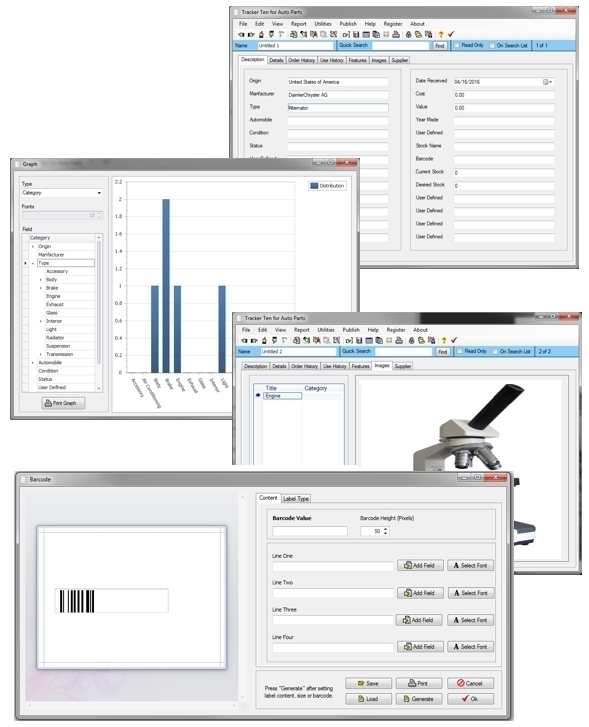
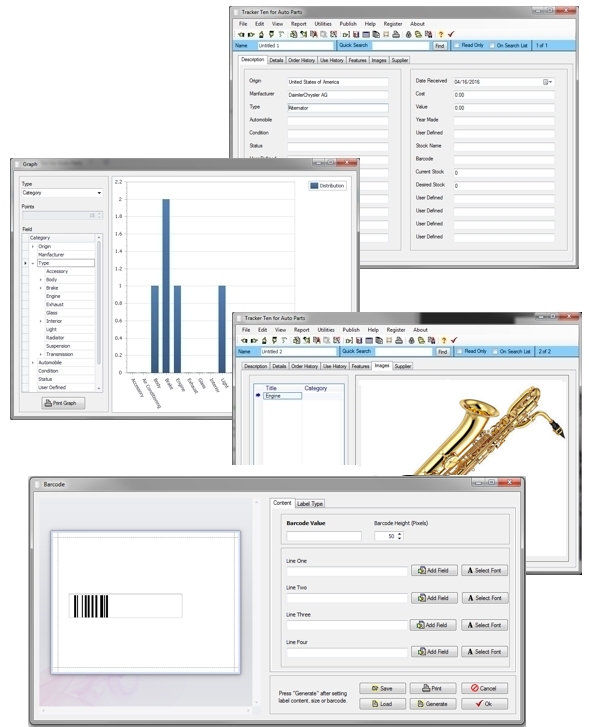
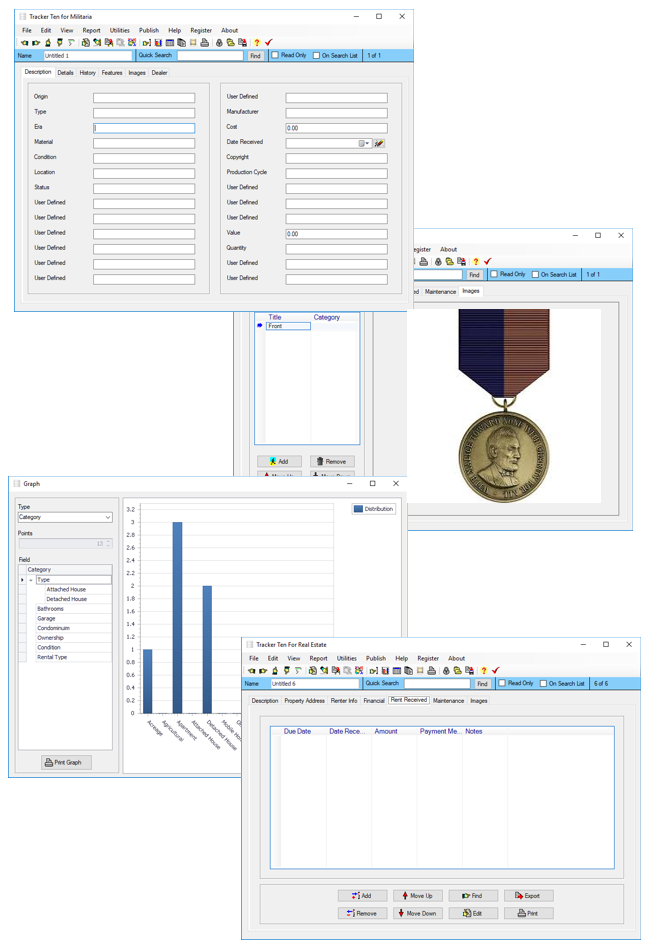
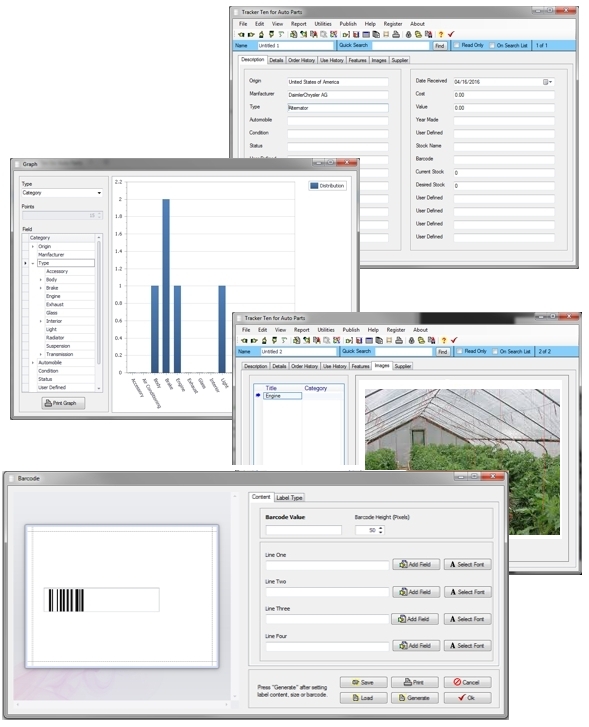
Data visualization: BI databases support reporting and visualization tools that present data in intuitive formats such as charts, graphs, scorecards, and dashboards. Visual representations make it easier for users to understand insights and communicate findings to others.
Data security: Because BI databases often contain sensitive business information, strong security controls are essential. These include user authentication, role-based access control, encryption, and auditing to ensure that data is accessed only by authorized users.
In many organizations, BI databases take the form of data warehouses or data marts. A data warehouse stores enterprise-wide data, while data marts focus on specific departments or business functions. Regardless of the architecture, the goal remains the same: to transform raw data into actionable intelligence.
Small Business Intelligence
Business intelligence is not limited to large enterprises with massive IT budgets. Small businesses can also benefit significantly from BI processes, often gaining a competitive advantage by using data more effectively than their peers. BI can help small businesses make informed decisions, improve operational efficiency, reduce costs, and increase profitability.
For small businesses, the key to successful BI implementation is focusing on simplicity, relevance, and scalability. Rather than attempting to analyze every possible metric, small organizations should prioritize the data that directly supports their business goals.
There are several practical ways small businesses can implement business intelligence:
Identify key performance indicators (KPIs): Small businesses should identify a limited set of KPIs that reflect their success. These may include sales revenue, profit margins, customer acquisition cost, customer retention rate, inventory turnover, or website traffic. Tracking KPIs regularly helps businesses stay aligned with their objectives.
Collect and analyze data: Data can be collected from many sources, including accounting software, point-of-sale systems, spreadsheets, email marketing platforms, and social media. Even simple analysis can reveal valuable insights, such as seasonal trends or customer purchasing behavior.
Use data visualization tools: Visualization tools make it easier to interpret data and communicate insights. Charts, graphs, and dashboards help business owners quickly understand performance without needing advanced technical skills.
Implement a data-driven culture: A data-driven culture encourages employees to base decisions on evidence rather than assumptions. This mindset helps reduce guesswork and promotes accountability across the organization.
Invest in BI software: Affordable BI tools designed for small businesses are widely available. Examples include Zoho Analytics, Sisense, and Domo. These platforms offer user-friendly interfaces, cloud-based deployment, and flexible pricing.
By adopting BI practices, small businesses can gain clearer visibility into their operations, respond more quickly to changes, and make smarter decisions. Over time, even modest investments in BI can deliver substantial returns by improving efficiency and supporting sustainable growth.
Business Intelligence Education
Business Intelligence education focuses on teaching individuals how to collect, analyze, interpret, and present data to support business decision-making. As data becomes increasingly central to organizational success, BI skills are in high demand across industries.
There are many pathways to acquiring BI education, depending on an individual’s career goals, background, and learning preferences:
Degree programs: Many universities offer undergraduate and graduate degree programs in Business Intelligence, Data Science, Business Analytics, or related fields. These programs provide a strong foundation in statistics, data modeling, databases, and visualization. Institutions such as Georgia Tech, Northeastern University, and the University of Michigan are known for their analytics-focused programs.
Online courses: Online learning platforms such as Udemy, Coursera, and edX offer flexible courses covering BI concepts, tools, and techniques. These courses are often self-paced and accessible to learners worldwide.
Training and certification: Many BI software vendors offer certification programs for their tools, such as Tableau, Microsoft Power BI, or Qlik. Certifications provide hands-on experience and demonstrate practical skills to employers.
Industry conferences and events: Conferences such as the Gartner Data & Analytics Summit, Tableau Conference, and QlikWorld provide opportunities to learn about emerging trends, network with professionals, and gain exposure to real-world BI applications.
On-the-job training: Many professionals develop BI skills through practical experience in the workplace. This may include working with experienced analysts, participating in projects, and learning new tools as part of daily responsibilities.
BI education is not limited to formal academic settings. Continuous learning is essential, as tools and techniques evolve rapidly. By combining theoretical knowledge with practical experience, individuals can build strong and adaptable BI skill sets.
Business Intelligence vs Espionage
Although business intelligence and espionage both involve gathering and analyzing information, they are fundamentally different in terms of purpose, ethics, and legality. Understanding this distinction is important for organizations that want to practice responsible and lawful intelligence gathering.
The differences between BI and espionage can be summarized as follows:
Objective: Business intelligence aims to analyze data to improve decision-making and business performance. Espionage seeks to obtain secret or confidential information from competitors or other entities without authorization.
Legality: BI is a legitimate and ethical practice that relies on lawful data collection methods. Espionage is often illegal and unethical, involving deception or covert activities.
Methods: BI uses publicly available data, internal business data, and legally obtained information. Espionage may involve hacking, wiretapping, bribery, or theft of confidential documents.
Scope: BI focuses on business-related data such as sales, marketing, finance, and operations. Espionage may extend into areas such as national security, politics, or military intelligence.
In summary, business intelligence is about using data ethically and transparently to create value. Organizations should always ensure that their BI practices comply with laws, regulations, and ethical standards to protect their reputation and avoid legal consequences.
Free Business Intelligence
Business intelligence does not have to be expensive. While many powerful BI platforms require paid subscriptions, there are also free tools that allow individuals and small businesses to explore data analysis and visualization without significant financial investment.
Some popular free BI tools include:
Google Analytics: A free tool that tracks website traffic and user behavior. It provides insights into visitor demographics, engagement, and conversion metrics.
Microsoft Power BI: The free version of Power BI allows users to create interactive reports and dashboards using data from Excel, databases, and cloud services.
Tableau Public: A free visualization platform that enables users to create and share interactive dashboards publicly.
QlikView Personal Edition: A free version of Qlik’s data discovery tool that supports data analysis from multiple sources on a single machine.
Databox: Offers a free plan for tracking and visualizing KPIs from sources such as Google Analytics, Facebook, and Salesforce.
While free BI tools may have limitations compared to paid solutions, they are an excellent starting point for organizations beginning their BI journey. As data needs grow, businesses can later transition to more advanced platforms while building on the skills and insights gained from free tools.
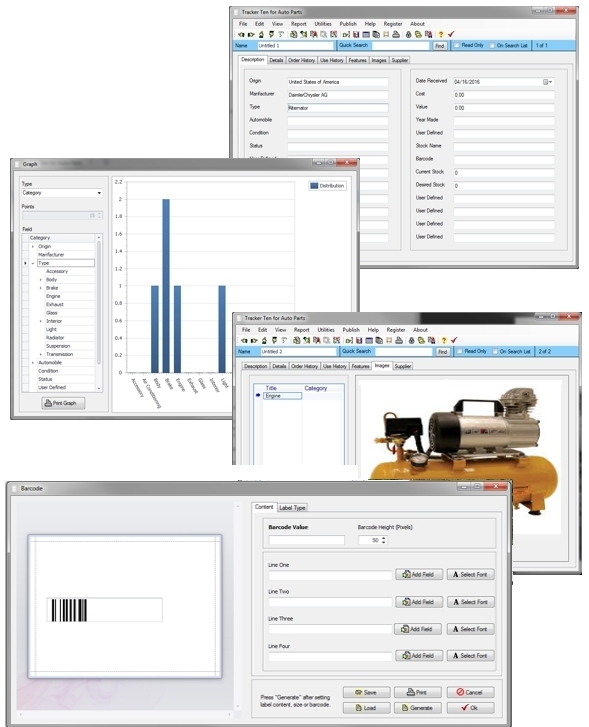
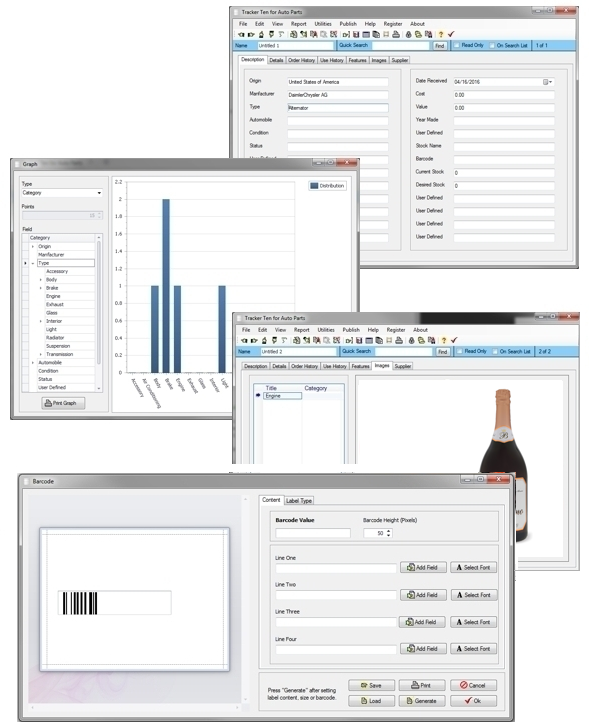
Tracker Ten Database Software
Browse our site to see our line of Tracker Ten products that can help you with your business intelligence analysis!
Looking for windows database software? Try Tracker Ten
- PREVIOUS Moving From Paper Records to Electronic Tracking Friday, December 19, 2025
- NextCustom Database Development and Custom Database Solutions Tuesday, December 2, 2025