Hobbies
Collecting War Medals
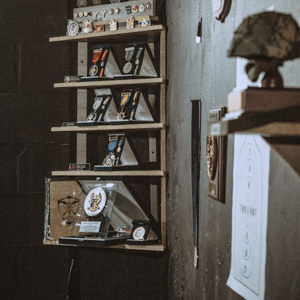
Collecting war medals is a fascinating hobby for military history enthusiasts, genealogists, and anyone interested in the personal stories of soldiers. War medals are tangible reminders of sacrifice, valor, and historical events, connecting collectors with the human experiences behind wars. They offer insight into military campaigns, acts of bravery, and the cultures of different nations during wartime.
Before starting a collection, there are several factors to consider to ensure that the hobby is rewarding, ethical, and historically accurate:
Choose a Focus: War medals cover a broad spectrum, so it is helpful to focus your collection. You might collect medals from a particular conflict, such as World War I, World War II, or the Vietnam War. Alternatively, you might focus on a military branch (army, navy, air force), or medals for specific actions like the Victoria Cross, Purple Heart, or campaign-specific medals. Narrowing your focus helps guide your research, purchases, and display methods.
Research: Understanding the historical context of the medals you collect is critical. Learn about the circumstances in which the medals were awarded, the campaigns they commemorate, and the stories of the recipients. Books, online databases, museums, and military archives are excellent sources for information. Proper research increases the appreciation and authenticity of your collection.
Authenticity: Authenticity is paramount in medal collecting. Many reproductions exist, and an unverified medal can diminish a collection’s value. Check medals for proper engravings, hallmarks, metal composition, and ribbons. Buy from reputable dealers, auction houses, or certified collectors to ensure you are acquiring genuine pieces.
Preservation: War medals are historical artifacts that require careful handling. Protect them from humidity, sunlight, and dust. Consider storing medals in archival-quality boxes or display cases with UV protection. Avoid touching medals with bare hands, as oils and dirt can damage the metal over time.
Connect with Other Collectors: Networking with other collectors helps share knowledge, discover new medals, and participate in collector events. Online forums, social media groups, local clubs, and conventions provide opportunities for learning and collaboration.
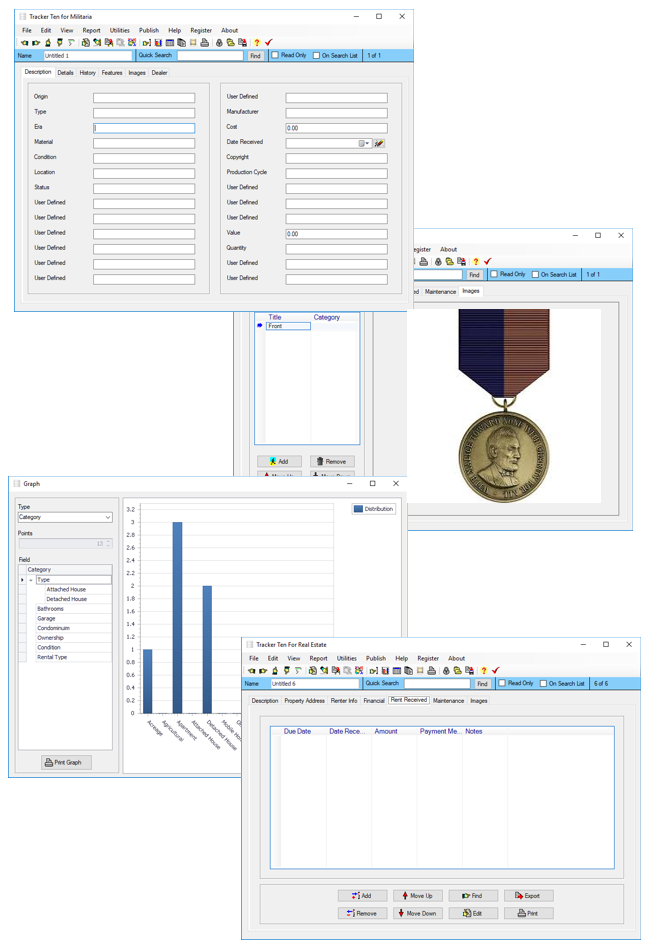
Documentation: Keep a detailed record of each medal, including the origin, recipient, provenance, condition, and acquisition date. Proper documentation increases historical value and aids in insurance or resale purposes.
Ethical Considerations: Always ensure that medals are obtained legally and ethically. Avoid participating in black-market sales or acquiring medals from conflict zones without proper documentation. Respect the legacy of the recipients and the cultural significance of the medals.
Collecting war medals combines research, preservation, and ethical collecting. By focusing your collection, learning about each medal’s history, and maintaining its authenticity and condition, you can create a meaningful and educational collection.
Civil War Medals
Civil War medals are particularly valued in the United States due to the conflict’s historical significance. Medals from this period often commemorate bravery, service, and loyalty.
Examples of Civil War medals include:
Medal of Honor: The highest U.S. military decoration, awarded for acts of valor. Over 1,500 Medals of Honor were awarded during the Civil War, making them highly sought-after by collectors.
Civil War Campaign Medals: Awarded for participation in specific campaigns such as Gettysburg or Vicksburg. These medals often include the soldier’s unit and campaign name engraved on the medal.
Grand Army of the Republic Medals: The GAR was a fraternal organization of Union veterans. Members wore medals and badges displaying the GAR emblem, often personalized with names and units.
Civil War Service Medals: Issued by state governments to honor soldiers who served but did not receive higher awards. These medals commemorate participation and service.
Collectors often seek medals with well-documented provenance. Original documentation, such as service records or award citations, adds historical and monetary value.
World War One Medals
World War One medals provide a window into the first global conflict, honoring military service across multiple nations.
Examples include:
British War Medal: Awarded to British armed forces and merchant navy personnel. Issued 1919–1920, with King George V's profile on the obverse.
Victory Medal: Also called the Interallied Victory Medal, awarded to Allied forces members. Features the figure of Victory and commemorates service between 1914–1918.
Croix de Guerre: French decoration for valor. Awarded during WWI, featuring a bronze or silver cross on a ribbon.
Iron Cross: German decoration for bravery and service. Iconic black cross on a white or silver background, awarded during World War One.
WWI medals are often collected with campaign ribbons, unit badges, and service documents to provide a fuller historical context.
World War Two Medals
World War Two medals are among the most popular for collectors due to the global scale and historical impact of the conflict.
Examples include:
Medal of Honor: Awarded to U.S. military personnel for acts of valor. More than 3,400 were awarded during WWII.
Victoria Cross: The highest British and Commonwealth award for gallantry. Bronze cross on a red ribbon.
Order of the Patriotic War: Soviet decoration for bravery and distinguished service, featuring a star on a red ribbon.
Iron Cross: German military decoration awarded for bravery, black cross on white or silver.
Collectors often pair medals with original service records, photographs, and letters to increase historical significance.
Korean War Medals
Korean War medals recognize the international effort during the conflict from 1950–1953.
Examples include:
Korean Service Medal (US): Awarded to U.S. service members serving in Korea, featuring a Korean gateway and a dragon motif.
United Nations Service Medal: Awarded to military personnel serving as part of UN peacekeeping forces.
Korean War Service Medal (South Korea): Recognizes participation in the conflict with a soldier holding a Korean flag.
Korean War Service Medal (China): Awarded to People's Liberation Army members, features a soldier with a rifle.
Documenting each medal with recipient information greatly enhances the collection’s historical value.
Vietnam War Medals
Vietnam War medals commemorate the long and complex conflict between 1955–1975.
Examples include:
Vietnam Service Medal (US): Map of Vietnam on the obverse, eagle on the reverse, for service between 1961–1973.
National Defense Service Medal: Awarded to those serving during national emergencies, including the Vietnam War.
Republic of Vietnam Campaign Medal: Issued by South Vietnam, featuring a dragon and tiger motif.
Vietnam Gallantry Cross: Recognizes acts of bravery by South Vietnamese forces.
Vietnam War medals are often collected alongside personal narratives, photographs, and unit histories for educational and historical context.
Desert Storm Medals
Gulf War medals recognize service in Operations Desert Shield and Desert Storm (1990–1991).
Examples include:
Kuwait Liberation Medal: Awarded by Kuwait for service in the Persian Gulf, Aug 1990–Mar 1991.
Southwest Asia Service Medal: Awarded by the US for service in support of the Gulf War.
Kuwait Liberation Medal (Saudi Arabia): Saudi award for coalition forces service, Aug 1990–Jan 1991.
National Defense Service Medal: Awarded for service during Gulf War national emergencies.
Modern conflict medals often include detailed documentation, enhancing authenticity and historical research.
Preserving and Displaying Your Collection
Preservation is critical to maintaining the value and integrity of your medal collection. Some tips include:
- Store medals in archival-quality boxes with padding.
- Use UV-protected display cases to prevent fading of ribbons.
- Handle medals with gloves to prevent corrosion from oils and dirt.
- Keep detailed records of each medal’s history, provenance, and condition.
- Display medals with historical context, such as accompanying documents or photographs.
- Rotate medals on display to prevent long-term exposure damage.
- Regularly inspect and maintain medals to catch early signs of deterioration.
By carefully preserving, documenting, and displaying your medals, you honor the history and sacrifice they represent.
Conclusion
Collecting war medals is a rewarding hobby that combines history, research, and preservation. From the Civil War to modern conflicts, war medals provide tangible links to the past and honor the courage and service of soldiers. By focusing your collection, ensuring authenticity, researching historical context, preserving artifacts, and connecting with other collectors, you can build a meaningful and educational collection that will provide both personal satisfaction and historical insight for years to come.
Looking for windows database software? Try Tracker Ten
- PREVIOUS Database Hardware Prerequisites Monday, October 2, 2023
- NextClassifying Sensitive Data in Your Database Friday, September 15, 2023