Software
Comic Book Collecting Database Software
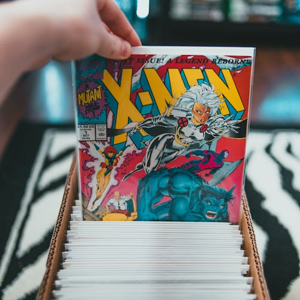
A comic book collection is often the result of years of passion, nostalgia, and careful searching. For some collectors, it begins with a single favorite character picked up at a local shop, while for others it grows through conventions, trades, and long hunts for key issues. Over time, what starts as a small stack of comics can expand into boxes, shelves, and storage units filled with hundreds or even thousands of individual books. As the collection grows, so does the challenge of keeping track of what is owned, what it is worth, and where everything is stored. This is where a dedicated system like Tracker Ten for Comics becomes an invaluable tool for staying organized and protecting the collection.
Tracker Ten for Comics is designed as a complete Windows-based inventory system, built specifically to handle the unique needs of comic book collectors. Comics differ from many other collectibles because condition, edition, and subtle variations can drastically affect value. A first appearance, a variant cover, or a specific printing can make the difference between a common book and a highly valuable one. The software provides a structured way to record all of these details so that nothing is left to memory or scattered notes. Each comic can be entered as an individual item with its own set of attributes, creating a clear and reliable catalog of the entire collection.
One of the most immediate benefits of using Tracker Ten for Comics is organization. Instead of flipping through boxes or spreadsheets to check whether a particular issue is already owned, collectors can simply search the database. The powerful search engine allows users to quickly find comics by title, character, publisher, issue number, or any other field they choose to track. This is especially useful for long-running series like Superman, Spider-Man, X-Men, or Wolverine, where hundreds of issues exist and duplicates are easy to accidentally purchase. With a searchable inventory, collectors can make smarter buying decisions and focus on filling gaps rather than repeating past acquisitions.
Customizable data fields are a key strength of the software and are particularly valuable for comic book collecting. Every collector has slightly different priorities. Some focus on grading and slabbed books, others on raw issues, complete runs, or specific story arcs. Tracker Ten allows collectors to tailor the database to match these priorities. Fields can be added or adjusted to track grading service information, certification numbers, variant types, printing numbers, or even signatures from creators. This flexibility ensures that the software adapts to the collector, rather than forcing the collector to adapt to a rigid system.
Item history tracking adds another layer of depth to the catalog. Comic books often change over time in ways that matter to collectors, such as being graded, pressed, reslabbed, or sold and reacquired. Tracking these changes creates a timeline for each book, showing how its status and value have evolved. This historical record can be especially helpful for collectors who actively buy and sell comics, as it provides insight into past decisions and outcomes. Over time, this information can reveal patterns, such as which types of books tend to appreciate or which purchases did not perform as expected.
Cost and value tracking is another essential feature for managing a comic book collection. Many collectors want to know not only what they paid for their books but also what those books are currently worth. Tracker Ten allows users to enter purchase prices and update estimated values based on their own research and judgment. This makes it easier to understand the overall value of the collection and how individual books contribute to it. For collectors who see comics as both a hobby and an investment, having this information centralized helps with planning future purchases, sales, or trades.
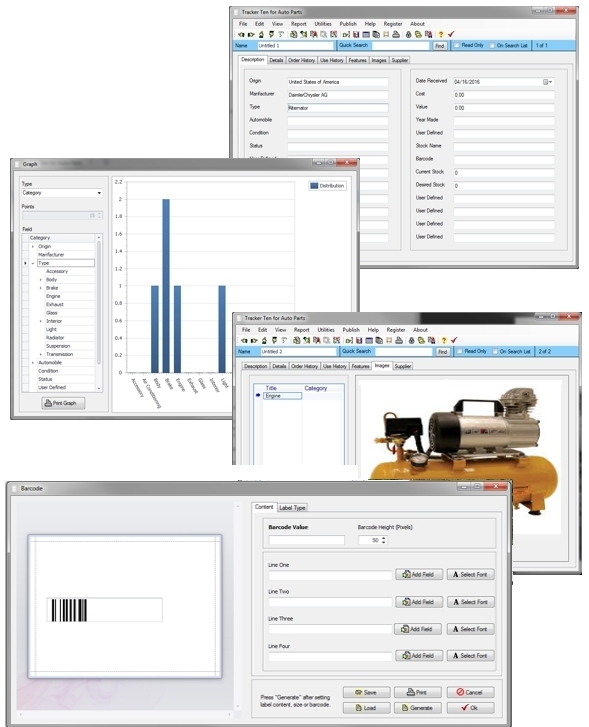
Advanced reporting and graph generation turn raw data into meaningful insights. With a few clicks, collectors can generate reports that summarize their collection by publisher, character, era, or value range. Graphs can visually display how much of the collection’s value is concentrated in key issues versus modern books, or how spending has changed over time. These tools make it easier to step back and see the bigger picture, rather than focusing only on individual books. Reports can also be shared with appraisers, partners, or family members to clearly communicate the scope and significance of the collection.
Image tracking is particularly powerful when applied to comic books. Being able to attach images to each record allows collectors to visually document their books without handling them repeatedly. This reduces wear and tear, especially for high-grade or valuable issues. Images also make the digital catalog far more engaging and useful. A collector can quickly browse through their collection on screen, review cover art, and confirm details without opening boxes. For slabbed comics, images can capture the exact condition and label information, providing an accurate snapshot at a specific point in time.
Full-color report generation that incorporates images is especially valuable for insurance record keeping. In the unfortunate event of theft, fire, or other damage, detailed documentation can be critical. Tracker Ten for Comics makes it possible to produce professional-looking reports that list each comic along with descriptions, values, and images. This level of detail helps establish ownership and value, making insurance claims smoother and more credible. Even for smaller collections, having this documentation provides peace of mind and a sense of security.
Rich text format notes add a personal dimension to the database. Comics often come with stories that go beyond their market value. A book might have been purchased at a memorable convention, inherited from a family member, or found after a long search. Recording these stories alongside technical details preserves the emotional and historical context of the collection. Over time, the database becomes more than an inventory; it becomes a narrative record of the collector’s journey. This can be especially meaningful for collectors who plan to pass their collection on to others.
Data export capabilities ensure that all of this information remains accessible and portable. Collectors can export their data for backups, sharing, or use in other applications. This protects the time and effort invested in cataloging the collection and reduces dependence on any single system. Being able to back up and move data adds an extra layer of confidence, especially for long-term collectors with extensive inventories.
The software’s suitability for both personal and business use makes it versatile. Individual collectors can use Tracker Ten to manage a private collection at home, while dealers or shop owners can use it as part of their inventory management process. The same core features that help a hobbyist stay organized also support buying, selling, and tracking stock for resale. This makes the software a good fit for collectors whose interests may evolve into side businesses or full-time ventures over time.
Automatic catalog generation brings many of these features together into a polished result. Instead of manually creating lists or documents, collectors can rely on the software to produce up-to-date catalogs that reflect the current state of their collection. These catalogs can be used for insurance, estate planning, sales listings, or simply personal enjoyment. Because they are generated directly from the database, they stay accurate as long as the records are maintained.
Beyond practical benefits, using a system like Tracker Ten for Comics can also enhance enjoyment of the hobby. When collectors know exactly what they own and where it fits within their goals, they can focus more on discovery and less on administration. The software reduces uncertainty and frustration, making it easier to plan future acquisitions, track progress on runs, and appreciate the collection as a whole.
In the long run, a well-documented comic book collection is easier to protect, share, and pass on. Comics may be printed on paper, but their cultural and financial value can be significant. Tracker Ten for Comics helps ensure that this value is preserved through careful documentation and organization. Whether the collection is kept for personal enjoyment, sold over time, or inherited by someone else, having a complete and clear record increases its usefulness and worth.
In summary, Tracker Ten for Comics provides a comprehensive solution for managing the many complexities of a comic book collection. Through detailed inventory records, customization, search and reporting tools, image tracking, and insurance-ready documentation, the software supports both the practical and personal sides of collecting. By bringing structure and clarity to a growing collection, it allows collectors to protect their investment, deepen their engagement, and enjoy their comics with greater confidence and ease.
Looking for windows database software? Try Tracker Ten
- PREVIOUS Making a Full Database Backup Thursday, October 23, 2025
- NextAutomotive Fleet Database Thursday, October 2, 2025