Database
Databases in Science Fiction

Databases have long occupied a quiet but essential place in science fiction, functioning as the hidden architecture behind advanced civilizations, omniscient governments, artificial intelligences, and the very fabric of futuristic societies. While starships, alien worlds, and exotic technologies often dominate the surface of science fiction narratives, databases operate beneath the scenes as the systems that store memory, organize knowledge, and enable power. From early speculative literature to modern films and television series, the concept of structured, retrievable information has evolved alongside real-world computing, shaping how science fiction imagines intelligence, control, identity, and the future of humanity itself.
In early science fiction, databases were rarely referred to by name, yet their conceptual presence was unmistakable. Writers in the mid-twentieth century imagined vast electronic brains, memory banks, and central archives that held the sum of human knowledge. These constructs reflected contemporary anxieties and hopes surrounding early computers, which were room-sized machines used primarily for calculation and record keeping. Stories often portrayed centralized information systems as nearly magical entities capable of answering any question. The idea that knowledge could be stored, indexed, and retrieved instantly was revolutionary, and science fiction amplified this idea by extrapolating it into totalizing systems that bordered on omniscience.
As computing technology advanced, science fiction began to depict databases more explicitly and more realistically. The emergence of cyberpunk in the 1980s marked a turning point in how fictional worlds treated information. In cyberpunk narratives, data became a commodity, databases became targets, and access to information equated to power. Megacorporations guarded proprietary databases as fiercely as physical assets, while hackers navigated digital landscapes to steal, alter, or liberate data. These stories emphasized not only the technical aspects of databases but also their political and economic implications. Control over data meant control over people, markets, and reality itself.One of the most enduring themes involving databases in science fiction is surveillance. Fictional governments and authoritarian regimes are frequently depicted as maintaining massive databases containing detailed records on every citizen. These systems track movements, communications, purchases, genetic information, and even thoughts or emotional states. Such portrayals serve as cautionary tales, reflecting fears that unchecked data collection can erode privacy and individuality. By exaggerating surveillance capabilities, science fiction explores the ethical boundaries of data use and questions whether security and efficiency justify total information awareness.
Databases in science fiction are also closely tied to the concept of identity. Many stories examine what it means to be a person in a world where memories, personalities, and consciousness can be stored, copied, or edited like records in a database. Characters may discover that their past has been altered in an official archive, or that their identity exists primarily as a data profile rather than a lived experience. In some narratives, individuals are reduced to database entries, judged and valued based on algorithmic interpretations of their data. This raises profound philosophical questions about selfhood, free will, and the reliability of recorded information.Artificial intelligence in science fiction relies heavily on databases as the foundation of machine knowledge. Whether portrayed as benevolent assistants or malevolent overlords, fictional AIs are typically powered by immense data stores that allow them to learn, predict, and reason. These databases may contain the entirety of human history, scientific research, cultural artifacts, and real-time sensory input from across the world. The scale of such data repositories often renders AI entities godlike, capable of anticipating events and manipulating outcomes. At the same time, stories frequently explore the limitations and biases inherent in these databases, suggesting that flawed data leads to flawed intelligence.
Another recurring motif is the idea of forbidden or lost databases. In post-apocalyptic or dystopian science fiction, surviving characters may search for ancient data vaults that contain knowledge lost to time. These databases might hold scientific breakthroughs, historical records, or instructions for rebuilding civilization. The fragility of digital storage becomes a central concern, as corrupted files, obsolete formats, or damaged hardware threaten to erase humanity’s collective memory. Such narratives underscore the dependency of advanced societies on data preservation and question whether digital knowledge is as permanent as it appears.
Space-based science fiction often expands the scope of databases to a galactic or universal scale. Interstellar civilizations maintain databases that catalog alien species, star systems, technologies, and laws. These records enable cooperation, trade, and diplomacy across vast distances. At the same time, errors or omissions in such databases can spark conflict, misidentification, or catastrophic misunderstandings. The challenge of maintaining accurate, up-to-date information across light-years highlights the logistical and philosophical difficulties of managing data at cosmic scales.
In many science fiction stories, databases are not passive repositories but active participants in the narrative. Interactive systems respond to queries, guide characters, and influence decisions. Characters may converse with database interfaces that simulate personality or consciousness, blurring the line between information system and sentient being. This reflects real-world trends toward more natural human-computer interaction and anticipates futures where accessing data feels less like searching a file system and more like engaging in dialogue with an intelligent entity.
Science fiction also frequently addresses the vulnerability of databases. Hacking, data corruption, and system failures serve as plot devices that expose the fragility of technologically dependent societies. A single breach can collapse financial systems, disable defenses, or reveal dangerous secrets. These scenarios emphasize that databases, despite their power, are only as secure as their design and governance. By dramatizing these risks, science fiction encourages audiences to consider the resilience and ethical stewardship of real-world data systems.
The evolution of databases in science fiction mirrors broader cultural shifts in how society understands information. Early optimism about centralized knowledge gave way to skepticism about control and manipulation. As data became more personal and pervasive, stories increasingly focused on consent, ownership, and the moral responsibilities of those who collect and use information. Science fiction thus acts as both a reflection and a critique of contemporary data practices, projecting current concerns into imagined futures where the consequences are magnified.
In recent science fiction, databases are often decentralized, fragmented, or contested. Blockchain-like ledgers, distributed archives, and collective memory networks appear as alternatives to monolithic data control. These systems are portrayed as more democratic but also more chaotic, raising questions about trust, authority, and truth in a world without a single source of record. The tension between centralized and decentralized data models becomes a narrative exploration of competing social values.
Ultimately, the use of databases in science fiction is less about technology itself and more about what technology reveals about humanity. Databases symbolize memory, power, and the desire to impose order on complexity. They embody both the promise of knowledge and the peril of overreach. By imagining how databases shape future societies, science fiction invites readers and viewers to reflect on their own relationship with data in the present.As real-world databases grow ever larger and more influential, the speculative visions of science fiction feel increasingly relevant. What was once imagined as fantastical now exists in recognizable form, from global surveillance systems to AI-driven knowledge engines. Science fiction’s exploration of databases serves as a warning, a guide, and a mirror, reminding us that how we store, interpret, and control information will play a decisive role in shaping the future of civilization.
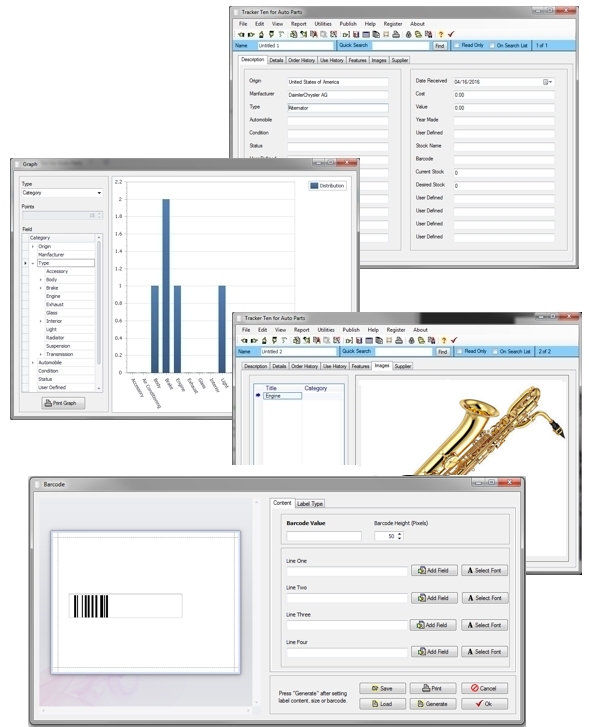
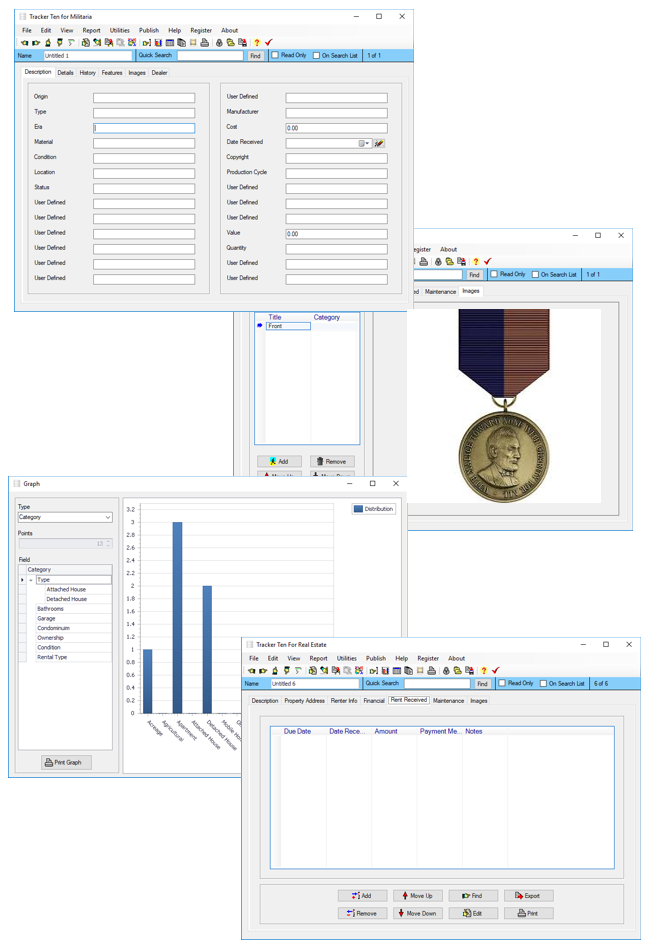
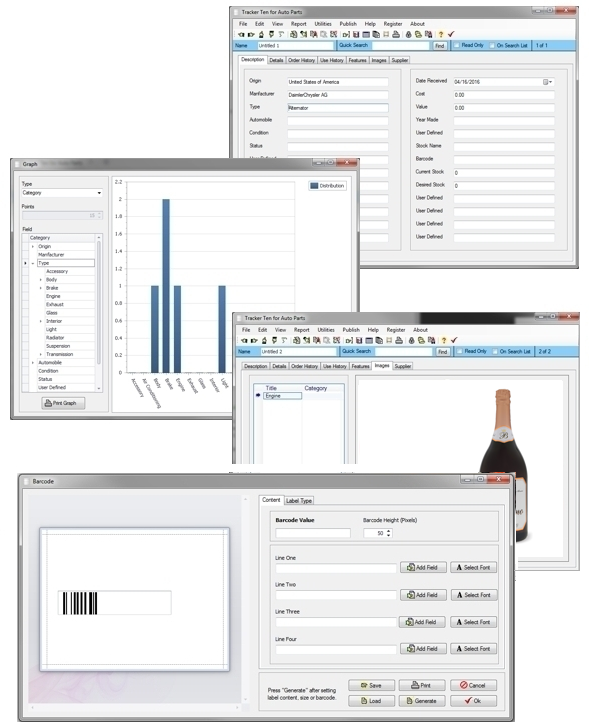
Looking for windows database software? Try Tracker Ten
- PREVIOUS Why Stand Alone Windows Software is Still Relevant Tuesday, September 23, 2025
- NextReasons to Use a Database Thursday, September 18, 2025