Database
Free Databases

Databases are essential tools for storing, managing, and analyzing data, whether you are building a website, managing a business, or conducting research. Fortunately, there are many free databases available online that cater to a wide range of needs, from beginners exploring database concepts to developers building complex applications. Free databases provide cost-effective solutions while often offering features comparable to commercial alternatives.
Choosing the right database depends on the type of data you are handling, your technical requirements, and the scale of your application. Understanding the various options, their features, limitations, and best practices is crucial for making informed decisions and ensuring the success of your projects.
Popular Free Databases
Here are some widely used free databases, their characteristics, and typical use cases:
MySQL: MySQL is an open-source relational database management system (RDBMS) that is extremely popular in web development. It uses structured query language (SQL) to manage and query relational data. MySQL is known for its reliability, performance, and compatibility with many programming languages. It is widely used for content management systems (CMS) like WordPress, e-commerce platforms, and custom web applications. MySQL also has a large community that provides support, plugins, and tutorials, making it beginner-friendly.
PostgreSQL: PostgreSQL is an advanced open-source relational database system renowned for its robustness, extensibility, and standards compliance. It supports complex queries, full-text search, geographic information system (GIS) data through PostGIS, and custom data types. PostgreSQL is ideal for applications requiring advanced data integrity, analytics, and high-concurrency operations. Developers often choose PostgreSQL for enterprise applications, scientific data, and large-scale web platforms.
MongoDB: MongoDB is a free NoSQL database that stores data in flexible, JSON-like documents instead of traditional tables. Its schema-less structure allows for rapid iteration and dynamic data modeling, making it suitable for web applications, mobile apps, and real-time analytics. MongoDB supports horizontal scaling, replication, and sharding, enabling applications to handle large volumes of data efficiently. It is popular among startups and agile development teams who need flexibility and scalability.
SQLite: SQLite is a lightweight, embedded database commonly used in mobile apps, desktop applications, and browsers. It requires minimal setup and administration, making it ideal for small projects or applications that need a self-contained database. SQLite is widely used in iOS and Android apps, embedded systems, and local testing environments. Despite its simplicity, SQLite supports transactions, triggers, and indexing, providing robust functionality for its size.
CouchDB: CouchDB is another NoSQL database that stores data in JSON documents and uses a RESTful HTTP API for data access. It is designed for distributed computing and replication, making it suitable for offline-first web applications and mobile solutions. CouchDB is highly tolerant to network interruptions and allows easy synchronization across multiple devices, which is especially useful for applications in remote or unstable network environments.
MariaDB: MariaDB is a community-developed fork of MySQL that emphasizes openness, security, and performance. It offers advanced features such as improved storage engines, encryption, and compatibility with MySQL applications. MariaDB is widely adopted in cloud environments, web hosting platforms, and enterprise-grade applications where reliability and security are crucial.
Beginner-Friendly Free Databases
If you are new to databases, some free options provide a gentle learning curve while offering practical features for small-scale applications:
Microsoft Access: A desktop database system included in Microsoft Office, Access provides a visual interface for creating tables, queries, forms, and reports. It is suitable for small business applications, inventory management, and internal record-keeping. Access allows users to design relational databases without extensive SQL knowledge, making it beginner-friendly.
Google Sheets: Google Sheets is a web-based spreadsheet program that doubles as a lightweight database for tracking data, creating lists, or performing simple analyses. With functions, filters, and conditional formatting, Google Sheets can handle basic database tasks for small projects. Its collaborative features make it ideal for teams working remotely or in shared environments.
LibreOffice Base: LibreOffice Base is an open-source alternative to Microsoft Access. It supports multiple database engines, including HSQLDB, MySQL, and PostgreSQL. Base offers a graphical interface for creating tables, queries, forms, and reports. It is suitable for small to medium-sized databases and provides an introduction to relational database concepts.
Airtable: Airtable is a cloud-based database and project management platform that combines the simplicity of a spreadsheet with the power of a relational database. It offers a visual interface, drag-and-drop functionality, templates, and automation. Airtable is free for basic usage, making it ideal for personal projects, content planning, and small team collaboration.
Zoho Creator: Zoho Creator is a low-code application platform that allows users to build custom databases and applications without extensive programming knowledge. It offers drag-and-drop forms, workflows, and reports. The free tier provides essential functionality for beginners, hobbyists, and small businesses looking to streamline operations.
Open Source Databases
Open source databases have their source code publicly available, allowing users to modify, extend, and distribute the software freely. They offer flexibility, transparency, and community-driven support. Popular open-source databases include:
MySQL: One of the most widely used open-source relational databases. MySQL powers websites, web apps, and enterprise solutions. Its open-source nature allows developers to contribute, customize, and optimize the database for specific applications.
PostgreSQL: Advanced relational database system known for reliability, scalability, and SQL compliance. PostgreSQL supports extensions, custom functions, and advanced indexing, making it suitable for complex analytics and enterprise-level applications.
MongoDB: NoSQL document database that stores JSON-like documents. MongoDB is popular for web apps, real-time analytics, and applications that require flexible schemas. It is open source and offers paid enterprise options for advanced support.
MariaDB: Community-driven fork of MySQL, emphasizing open governance, security, and advanced performance. It is compatible with MySQL applications and widely adopted for cloud and web hosting solutions.
SQLite: Lightweight embedded database available in the public domain. Its simplicity and zero-configuration setup make it ideal for development, embedded systems, and small applications.
Free Database Drawbacks
While free databases provide substantial benefits, they also come with limitations. Understanding these drawbacks helps you avoid pitfalls and plan for growth:
Limited Functionality: Free databases may lack advanced features like clustering, advanced analytics, or enterprise-grade security. Certain plugins or integrations may only be available in paid versions.
Limited Scalability: Free databases may not handle large datasets or high concurrency efficiently. As your project grows, you may need to migrate to a paid or cloud-based solution to maintain performance.
Security Risks: Free databases may not have regular updates, robust security configurations, or official support. Users must implement proper backup, encryption, and access controls to mitigate risks.
Support Limitations: Community support may be your only resource for troubleshooting. Paid options often provide dedicated technical support, SLAs, and professional assistance.
Integration Challenges: Free databases may not integrate smoothly with enterprise systems, third-party applications, or cloud services. Workarounds may require additional technical expertise.
Choosing the Right Free Database
When selecting a free database, consider the following factors:
Project Requirements: Determine the type of data, expected volume, and complexity of queries. Relational databases like MySQL or PostgreSQL excel in structured data scenarios, while NoSQL databases like MongoDB are ideal for flexible or hierarchical data.
Ease of Use: Beginners may prefer visual, low-code platforms like Microsoft Access or Airtable. Experienced developers may benefit from more robust options like PostgreSQL or MariaDB.
Community and Documentation: A strong user community, tutorials, and documentation can simplify setup, troubleshooting, and learning.
Scalability and Future Growth: Plan for growth by choosing a database that can scale horizontally or vertically, integrate with cloud services, and handle increasing complexity.
Security Considerations: Evaluate built-in security features, support for encryption, and access control. Even free databases should meet basic security requirements for sensitive data.
Free Databases for Learning and Development
Free databases are excellent tools for learning SQL, data modeling, and database administration. Beginners and students can practice building schemas, writing queries, and exploring data analytics without financial investment. Examples include MySQL for relational database practice, MongoDB for NoSQL exploration, and SQLite for embedded applications. Educational institutions and coding bootcamps often recommend these free databases for hands-on learning.
Free Databases for Small Businesses and Startups
For small businesses and startups, free databases provide cost-effective solutions for managing customer information, inventory, and operations. Using free databases can reduce initial infrastructure costs while still supporting essential business functions. As your business grows, you can migrate to paid or cloud-based solutions for additional features, scalability, and support.
Tracker Ten Database Software
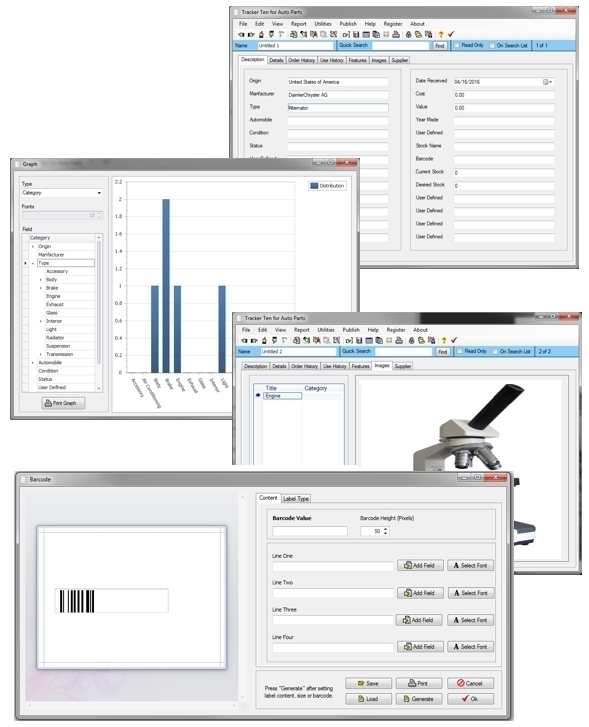
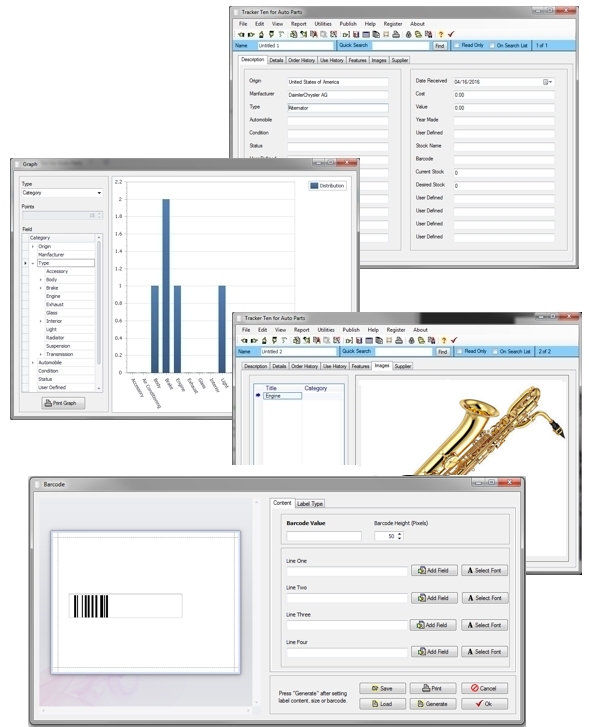
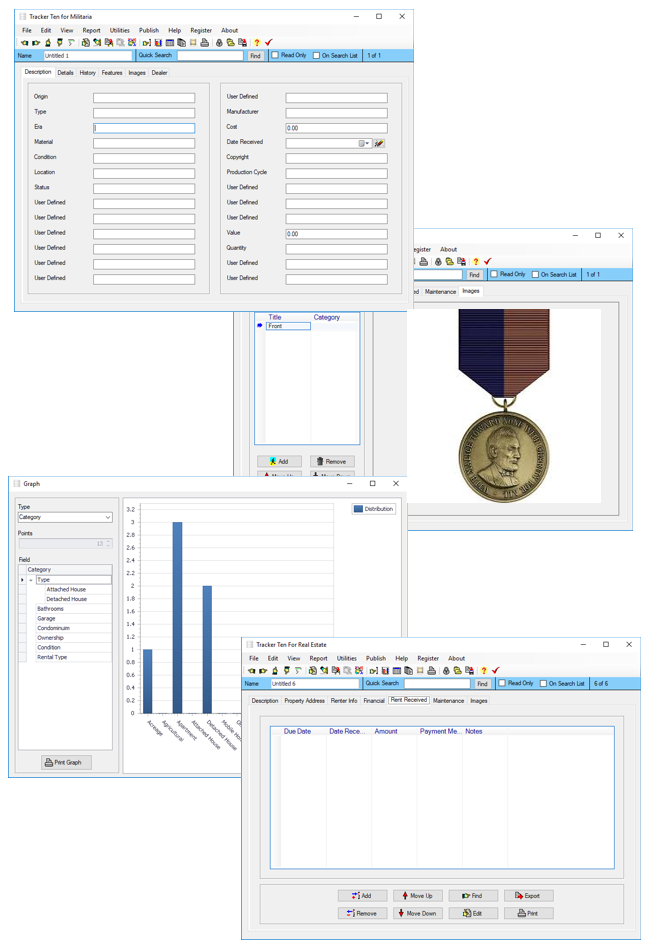
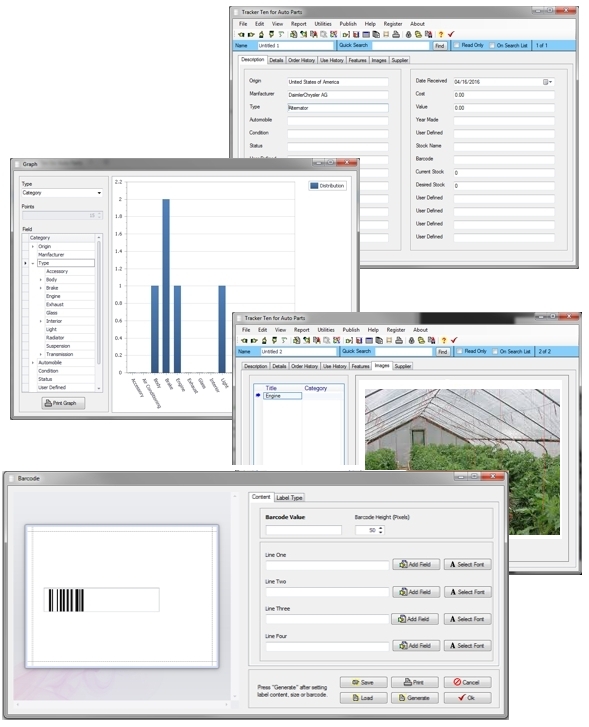
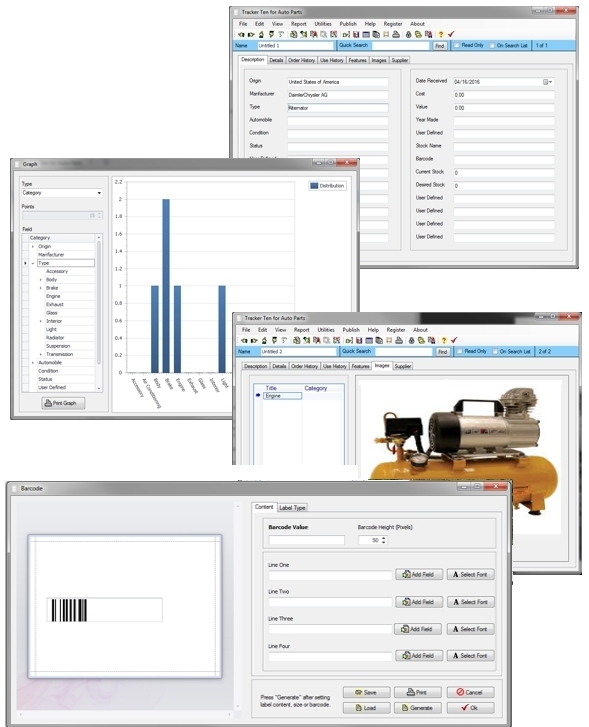
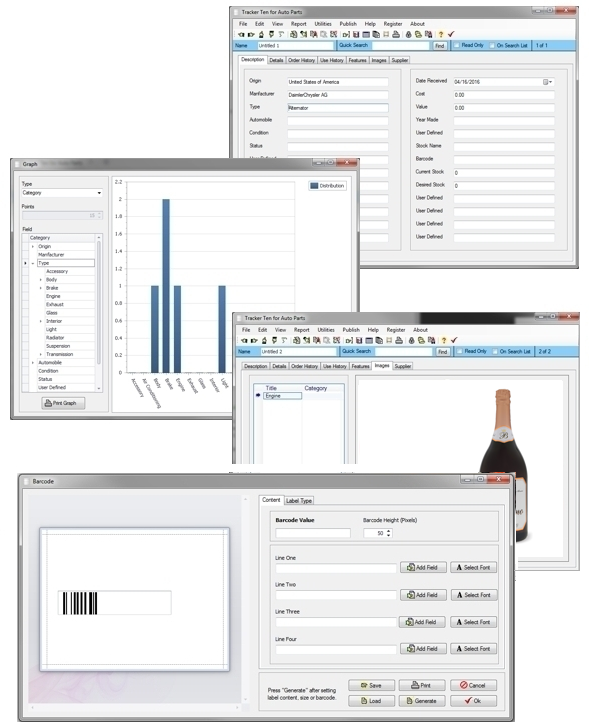
If you want a ready-made solution for tracking and managing data without setting up a database from scratch, try our Tracker Ten software. Our platform offers pre-built database templates, easy data entry, reporting, and management tools to help you organize your information efficiently. Browse our site for more details and see how Tracker Ten can streamline your workflow.
Looking for windows database software? Try Tracker Ten
- PREVIOUS Database Friday, March 29, 2024
- NextDownloading Software Tuesday, March 26, 2024