Database
Future of Database Design

The future of database design is poised to transform the way organizations store, manage, and utilize data. With the exponential growth of data, the rise of artificial intelligence, and the increasing adoption of cloud technologies, database design is evolving rapidly. The key trends shaping the future include cloud-based databases, big data, artificial intelligence, data privacy and security, and the Internet of Things (IoT). Each of these trends will influence how databases are structured, accessed, and maintained.
As we move forward, the emphasis will be on creating databases that are scalable, flexible, secure, and capable of handling large and complex datasets efficiently. Additionally, database professionals will need to develop new skills to manage these evolving systems. Below is an in-depth analysis of each trend and its implications for the future of database design.
Cloud-Based Databases: Cloud computing has revolutionized IT infrastructure by providing scalable and cost-effective storage solutions. Cloud-based databases enable organizations to scale storage and processing power on demand, without significant upfront capital expenditure. Cloud databases also allow businesses to access their data from anywhere in the world, enabling remote work and collaboration. Future cloud databases will likely integrate advanced automation, AI-driven query optimization, and hybrid cloud solutions that combine on-premise and cloud resources seamlessly.
Big Data: The volume of data generated globally is growing exponentially due to social media, e-commerce, IoT, and enterprise applications. Traditional relational databases are often inadequate for handling such large, complex datasets. Future database designs will leverage distributed architectures, NoSQL solutions, and graph databases to process structured, semi-structured, and unstructured data. This will enable businesses to extract meaningful insights from vast datasets in real time, driving better decision-making and operational efficiency.
Artificial Intelligence and Machine Learning: AI and ML are increasingly integrated into database systems to enable predictive analytics, natural language querying, and intelligent automation. AI-powered databases can detect patterns, predict trends, and optimize performance without manual intervention. For example, a retail database might predict product demand based on historical sales data and seasonal trends, automatically adjusting inventory and supply chain operations to reduce costs and increase revenue.
Data Privacy and Security: As cyber threats continue to rise, data security and privacy are paramount. Future databases will incorporate advanced encryption, access control, anomaly detection, and blockchain-inspired technologies to protect sensitive information. Compliance with regulations such as GDPR, CCPA, and HIPAA will also be critical. Designers will need to build security into the database architecture itself, rather than as an afterthought.
Internet of Things (IoT): The proliferation of IoT devices is generating enormous volumes of real-time data from sensors, machines, and smart devices. Future databases will need to efficiently store, process, and analyze this data in real time. Edge computing will play a significant role, processing data closer to the source to reduce latency and bandwidth usage. Databases must also support complex event processing to trigger automated responses based on sensor data, which is essential for industries such as manufacturing, healthcare, and transportation.
Overall, the future of database design will be shaped by these trends, emphasizing scalability, flexibility, security, and real-time data processing. Businesses will need to adapt their database strategies to meet these evolving requirements while leveraging new technologies to gain a competitive edge.
Cloud-Based Databases in Detail
Cloud-based databases are becoming the backbone of modern IT infrastructure. Unlike traditional on-premise systems, cloud databases offer elastic resources, pay-as-you-go pricing, and global accessibility. Organizations can now focus on building applications and analyzing data without worrying about server maintenance, hardware upgrades, or disaster recovery, as these responsibilities are handled by cloud providers.
Future cloud databases are expected to integrate AI and machine learning to optimize performance. For example, automatic indexing, query optimization, and predictive resource allocation will reduce latency and operational costs. Multi-cloud strategies will become more common, allowing organizations to deploy databases across multiple cloud providers for redundancy, flexibility, and cost optimization. Hybrid cloud models will combine on-premise systems with cloud storage, allowing sensitive data to remain local while less critical data is stored in the cloud.
In addition, cloud-native database technologies will enable businesses to leverage serverless architectures, where database resources scale automatically in response to demand. This eliminates the need to provision and manage physical or virtual servers, further reducing costs and administrative overhead. Future cloud databases will also support advanced analytics, real-time collaboration, and global data replication, making them highly versatile for modern enterprises.
Big Data and Database Design
The era of big data requires database designs that can manage massive volumes of structured, semi-structured, and unstructured data. Traditional relational databases may struggle to handle such complexity, prompting the adoption of distributed databases, columnar storage, graph databases, and NoSQL systems. These databases can scale horizontally, meaning they can add more servers to handle increased load, rather than relying on more powerful single servers.
Big data databases will increasingly incorporate real-time analytics capabilities, enabling organizations to make immediate decisions based on current information. For example, a logistics company can use big data analytics to reroute shipments dynamically based on traffic patterns and weather data. Similarly, predictive maintenance in manufacturing can prevent equipment failures by analyzing sensor data from machines in real time.
As the volume of big data grows, database designers will also focus on data lifecycle management. Efficient storage and retrieval strategies, tiered storage architectures, and automated archiving will be critical to maintain performance while minimizing costs. Additionally, data governance frameworks will be necessary to ensure compliance, quality, and integrity across massive datasets.
Artificial Intelligence Integration
Artificial intelligence is no longer a peripheral tool for databases—it is becoming central to their design. AI-enhanced databases can perform tasks such as anomaly detection, predictive analytics, automated query optimization, and even natural language querying. For example, a financial institution could use an AI-powered database to detect fraudulent transactions in real time, reducing losses and improving customer trust.
Machine learning algorithms can continuously analyze data and optimize indexing, query paths, and storage layouts. This reduces manual database administration tasks and improves efficiency. AI can also assist in data cleaning, transforming raw data into structured, usable formats automatically, which reduces the costs associated with manual data preparation.
IoT and Real-Time Databases
IoT devices produce continuous streams of data, often requiring real-time processing and analysis. Future databases will need to support event-driven architectures, allowing immediate responses to incoming data. Edge computing, which processes data near the data source, will reduce latency and bandwidth usage, making IoT applications more responsive and reliable.
Industries such as smart cities, healthcare, manufacturing, and autonomous vehicles will rely heavily on IoT databases. Real-time monitoring, predictive maintenance, and automated decision-making will become standard, requiring databases that are highly available, fault-tolerant, and capable of ingesting vast amounts of streaming data.
Data Privacy and Security Challenges
Data privacy and security remain paramount as cyberattacks become more sophisticated. Future database designs must integrate encryption, secure access controls, auditing, and compliance features. Blockchain-inspired technologies may also be incorporated to ensure data immutability and transparency. With global regulations such as GDPR, CCPA, and HIPAA, database professionals must prioritize compliance while maintaining high performance and usability.
Database Skills for the Future
The evolving landscape of database technology will require professionals to develop a broad and adaptable skill set. Future database professionals will need:
Data Modeling: Expertise in designing efficient, scalable data models that meet business needs.
Cloud Database Management: Skills in configuring, deploying, and managing cloud-based databases.
Big Data Analytics: Knowledge of distributed databases, NoSQL solutions, and real-time data processing techniques.
Data Security: Ability to implement encryption, access control, monitoring, and compliance frameworks.
Artificial Intelligence: Understanding AI and ML integration for predictive analytics, anomaly detection, and automation.
IoT Technologies: Skills in real-time data processing, edge computing, and event-driven database architectures.
Quantum Computing: Familiarity with quantum algorithms, qubit processing, and the potential applications of quantum databases.
Quantum Computing and Databases
Quantum computing is poised to revolutionize database design by enabling faster and more complex computations. Quantum algorithms can perform searches, optimizations, and cryptographic tasks exponentially faster than classical computers. Although still experimental, quantum computing could transform areas such as machine learning, AI analytics, and secure data encryption. Quantum databases could one day process massive datasets in real time, enabling capabilities that are impossible with classical systems.
Future Scenarios
In the coming years, we can envision scenarios where:
Businesses operate fully automated, AI-optimized databases that self-manage indexing, storage, and query performance.
IoT-enabled supply chains track every product in real time, adjusting inventory and logistics dynamically to reduce waste and costs.
Cloud-native databases seamlessly scale across global regions, providing high availability and disaster recovery with minimal manual intervention.
Quantum databases accelerate data analysis for industries such as finance, healthcare, and scientific research, enabling breakthroughs in real time.
Regulatory compliance is built into every database system, automatically enforcing privacy rules, access controls, and data retention policies.
Database Software Today
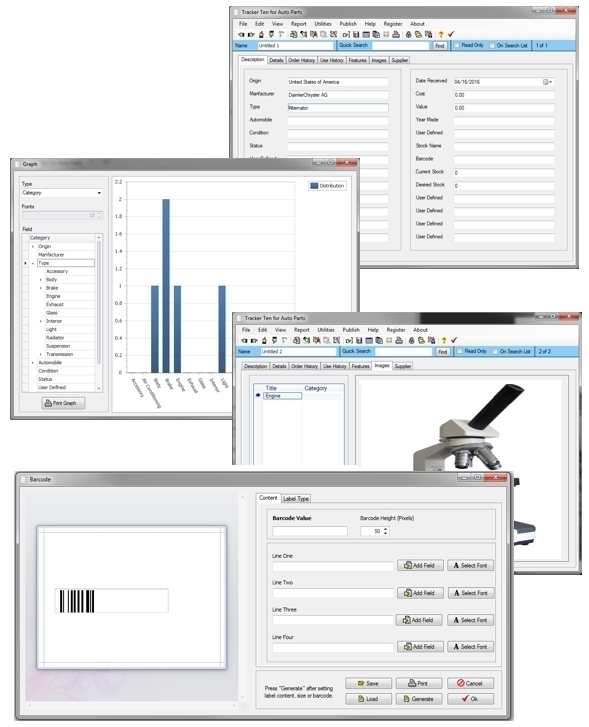
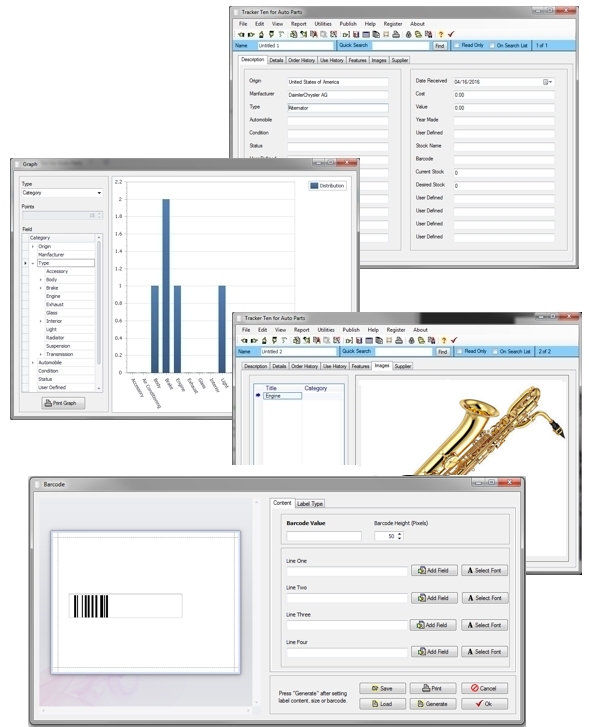
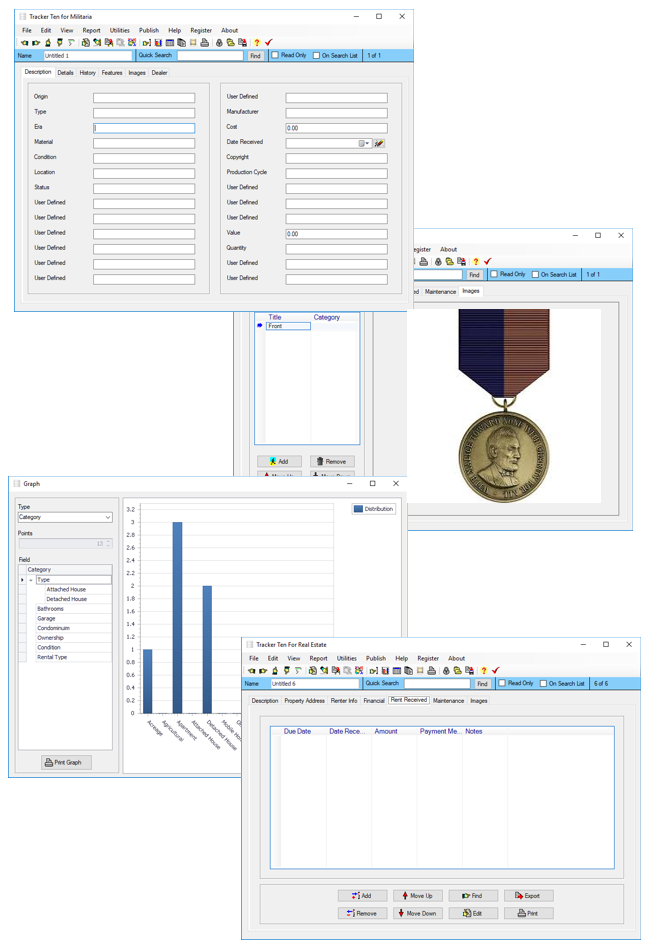
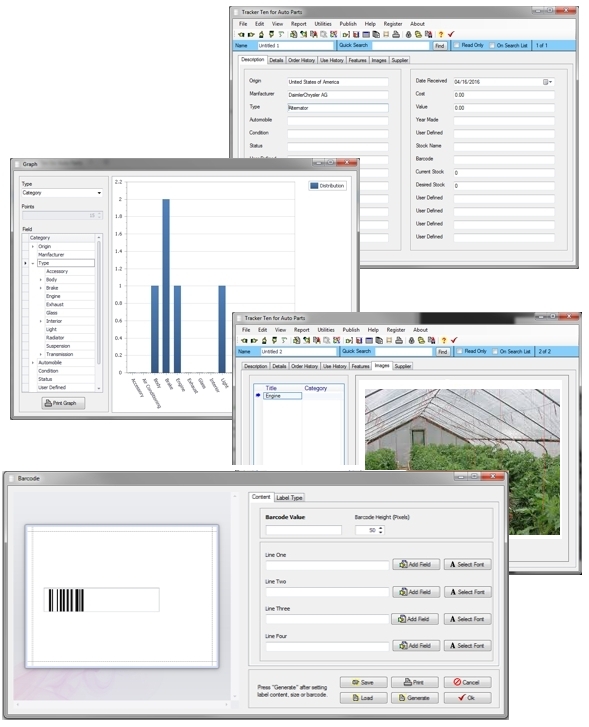
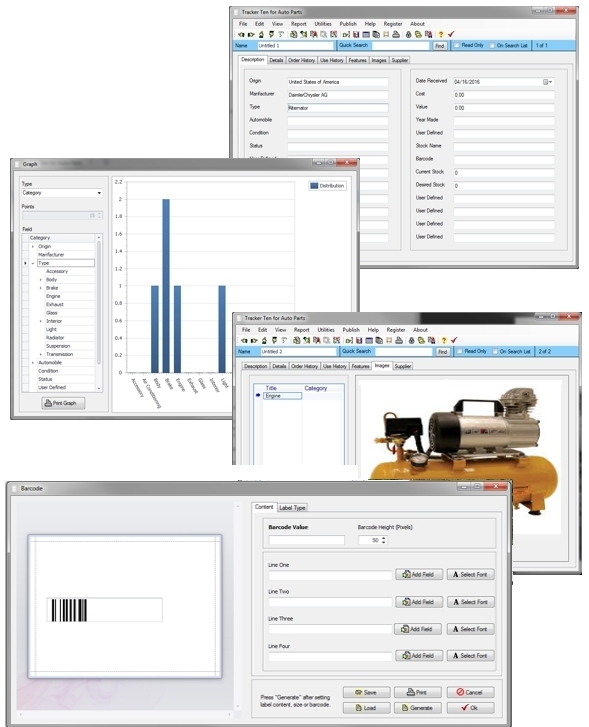
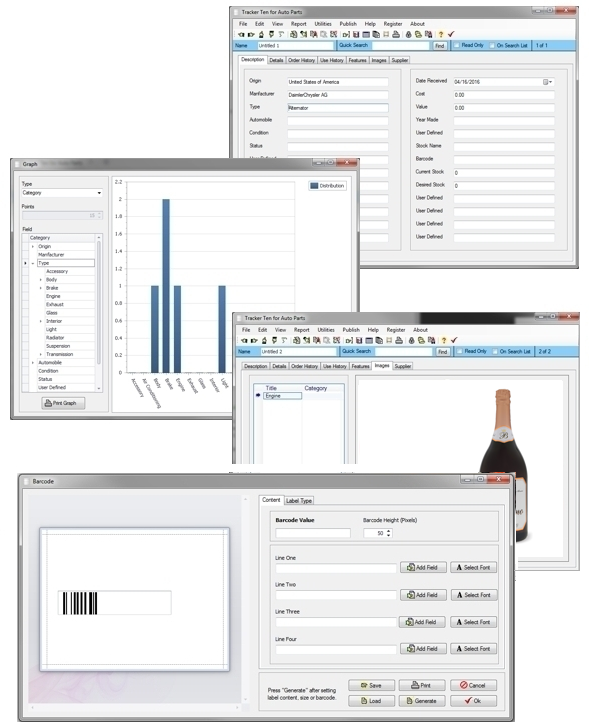
While the future is exciting, businesses can start preparing today. Browse our site to explore database software solutions that incorporate modern features, including cloud integration, real-time analytics, and AI-assisted reporting. Our Tracker Ten products are designed to help businesses manage data efficiently, securely, and in a scalable manner, preparing them for the future of database design.
Looking for windows database software? Try Tracker Ten
- PREVIOUS Speeding Up Data Entry Thursday, February 2, 2023
- NextTracking Students in a Small School Thursday, January 19, 2023