Database
How a Database Can Save You Money

How a Database Can Save You Money
A well-designed and maintained database can save money for businesses in numerous ways. From reducing manual labor costs to improving inventory management and supporting data-driven decision making, a database provides both tangible and intangible financial benefits. Below is a comprehensive overview of how a database can save your organization money.
Reduced Data Entry and Processing Costs: A database can automate repetitive data entry tasks, such as customer information, invoices, and inventory updates. Automation reduces the number of employees required to handle data, minimizes human error, and speeds up operations. By reducing manual processing, businesses save both time and labor costs, while ensuring consistent and accurate records.
Improved Data Accuracy: Databases enforce rules, validations, and constraints that ensure data integrity. Duplicate records, incomplete fields, and incorrect formatting are minimized. Accurate data helps prevent costly mistakes such as shipping errors, misinvoicing, or regulatory non-compliance, ultimately saving money and avoiding penalties.
Better Decision Making: Access to real-time, accurate data enables managers and decision-makers to spot trends, identify opportunities, and respond to challenges promptly. For example, a database can highlight which products are underperforming, allowing businesses to adjust marketing or production strategies efficiently, reducing unnecessary spending.
Improved Customer Relationships: Customer databases provide insights into buying habits, preferences, and service history. By analyzing this data, businesses can personalize marketing, proactively address issues, and offer targeted promotions. This enhances customer retention, increases sales, and reduces the costs associated with acquiring new customers.
Lower IT Costs: Consolidating data into a centralized database reduces the need for multiple software systems, spreadsheets, and disconnected applications. This consolidation simplifies maintenance, reduces licensing costs, and decreases the IT staff required to manage disparate systems.
Improved Inventory Management: Databases track inventory in real-time, monitor reorder points, and manage supplier performance. This reduces overstocking and stockouts, cutting storage costs and minimizing lost sales. Accurate inventory data prevents unnecessary purchases, reduces waste, and improves cash flow.
Streamlined Processes: Databases can automate workflows such as order processing, invoicing, and reporting. By eliminating redundant tasks, organizations save time and money, improve employee productivity, and maintain consistent operational standards.
Increased Efficiency: Centralized databases reduce the time spent searching for information or compiling reports. Employees can access accurate data quickly, freeing them to focus on higher-value tasks. Faster access to information translates into faster decision-making and quicker responses to market changes.
Enhanced Security: Databases provide robust security measures such as role-based access, encryption, and audit trails. Protecting sensitive data reduces the risk of breaches, which can be financially devastating due to fines, legal fees, and reputational damage.
Scalability: As businesses grow, databases can scale to accommodate more data and users without significantly increasing operational costs. Unlike manual processes or fragmented systems, a database can handle growth efficiently, allowing expansion without proportional increases in labor or software costs.
Overall, implementing a database allows businesses to save money by improving data accuracy, reducing labor costs, enabling data-driven decision making, enhancing customer relationships, and lowering IT and operational costs. These benefits improve the bottom line while providing a framework for sustainable growth.
Database for Better Decision Making
Databases provide critical support for decision-making. Access to organized, accurate, and timely information allows businesses to make informed choices. Below are ways a database can enhance decision-making:
Real-time Data Access: Managers can instantly access current sales figures, inventory levels, and customer information. This enables rapid responses to market changes, reducing the financial impact of slow decision-making.
Improved Data Analysis: Databases store vast datasets that can be analyzed using queries, reports, and dashboards. Identifying patterns, trends, and anomalies helps organizations make proactive decisions and reduce costs associated with guesswork.
Historical Data Tracking: By storing historical data, businesses can compare performance over time, identify seasonal trends, and forecast future performance. This reduces the risk of overstocking, misallocating resources, or making poor strategic choices.
Better Resource Allocation: With insights from a database, businesses can allocate staff, equipment, and funds where they are most effective. This reduces waste, improves productivity, and ensures that every dollar is spent efficiently.
Data-Driven Decision Making: Decisions based on concrete data reduce bias and subjectivity. Data-driven strategies minimize errors and increase confidence in the choices made, ultimately saving money by avoiding costly mistakes.
In summary, a database supports better decision-making by providing real-time insights, analytical capabilities, historical data, and guidance for resource allocation. Organizations can make faster, more informed, and cost-effective decisions with a reliable database system.
Database Preventing Waste to Save Money
Waste in business, whether in inventory, resources, or time, leads to lost money. Databases help reduce waste by providing accurate information to optimize processes. Key ways include:
Accurate Inventory Tracking: Databases maintain precise records of stock levels, sales, and orders. Accurate inventory data reduces overstocking and understocking, minimizing spoilage, obsolescence, and unnecessary purchases.
Demand Forecasting: By analyzing past sales, a database can forecast demand for products or services. Predictive analytics helps businesses plan procurement and production, reducing wasted resources and excess inventory costs.
Better Resource Allocation: Databases highlight underutilized resources or inefficiencies. Businesses can reallocate labor, equipment, and materials more effectively, preventing waste and reducing operational costs.
Supplier Performance Monitoring: Tracking supplier delivery times, quality, and pricing allows businesses to identify underperforming vendors. Addressing these issues improves procurement efficiency, reduces errors, and prevents losses from delayed or poor-quality materials.
Automated Alerts and Reorder Points: Databases can generate alerts when inventory falls below minimum thresholds or when orders need attention. Timely notifications prevent stockouts and over-ordering, ensuring smooth operations and cost savings.
Reduction in Manual Errors: Manual tracking often results in misplaced items, miscounts, or duplicated efforts. Databases automate tracking and reporting, significantly reducing human error and associated losses.
Optimized Production Scheduling: Production schedules integrated with inventory databases ensure that resources and materials are used efficiently. Reduced idle time and overproduction lead to lower costs and less waste.
Cost Control and Budgeting: With comprehensive data at their fingertips, managers can track spending, identify cost overruns, and make adjustments quickly. This proactive approach reduces financial waste and keeps operations aligned with budgets.
In summary, databases prevent waste by enabling accurate inventory tracking, demand forecasting, optimized resource allocation, and supplier performance monitoring. These benefits reduce unnecessary spending and improve overall operational efficiency.
Additional Ways a Database Saves Money
Beyond the core benefits already mentioned, databases save money in several other ways:
Automated Reporting: Databases can generate reports automatically, reducing staff time and errors associated with manual report preparation.
Regulatory Compliance: A database can track compliance requirements, deadlines, and documentation. Staying compliant avoids costly fines, legal fees, and business interruptions.
Customer Retention and Loyalty: An organized customer database helps businesses identify at-risk clients, follow up proactively, and implement loyalty programs. Retaining existing customers costs less than acquiring new ones, improving profitability.
Operational Transparency: Centralized databases create a single source of truth, reducing miscommunication and ensuring departments work efficiently. Streamlined communication prevents costly errors and project delays.
Support for Remote Work: Cloud-based databases allow employees to access information from anywhere. Reduced reliance on physical paperwork lowers operational costs and increases employee productivity.
Integration with Other Systems: Databases can integrate with accounting, CRM, and ERP systems, ensuring accurate data across all platforms. Integration reduces duplicate data entry, minimizes errors, and improves efficiency, all of which save money.
Tracker Ten Database Software
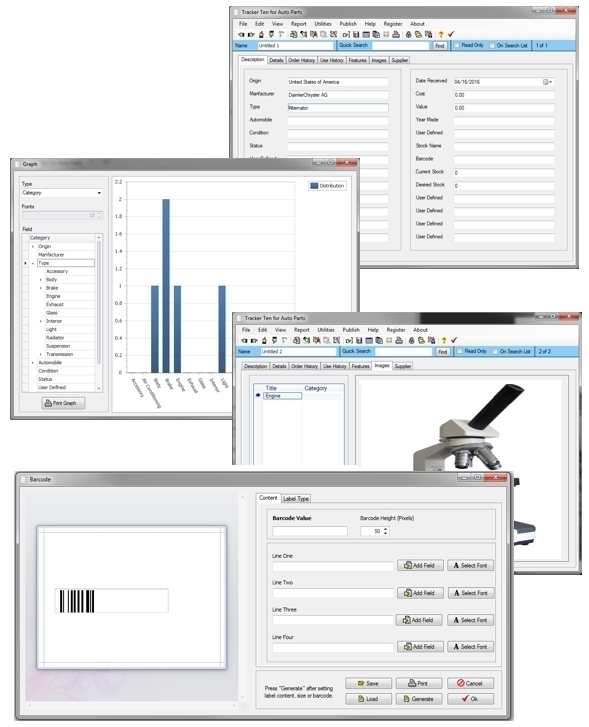
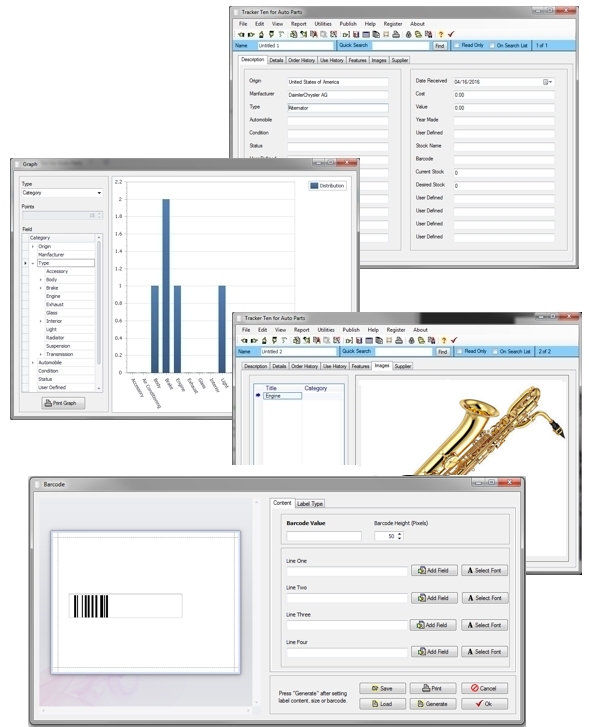
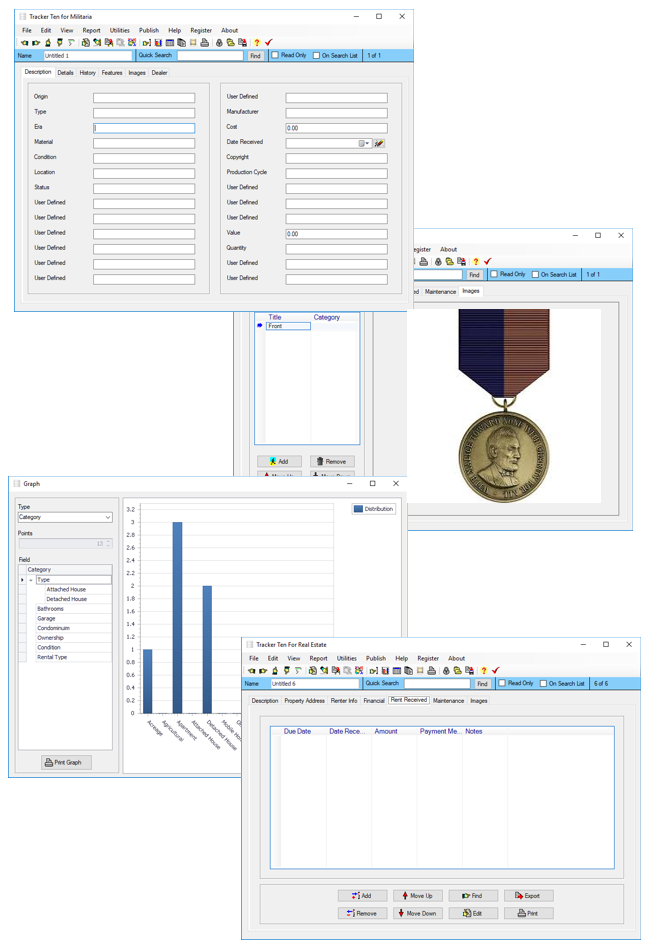
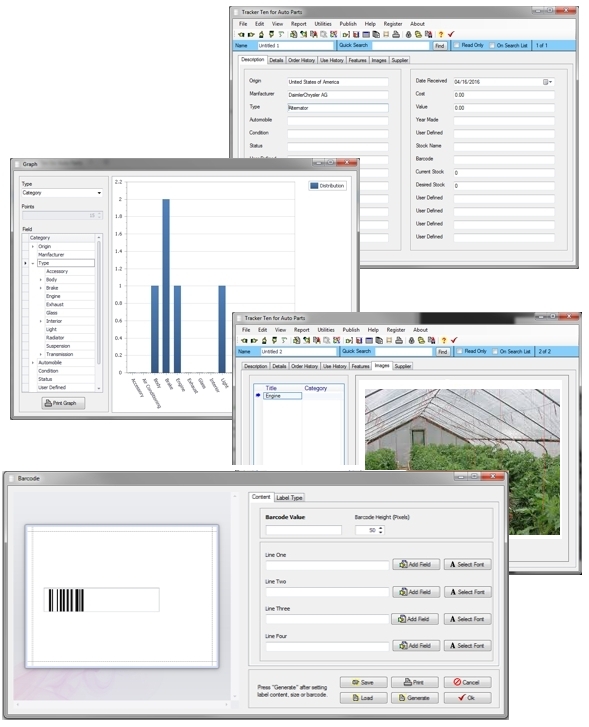
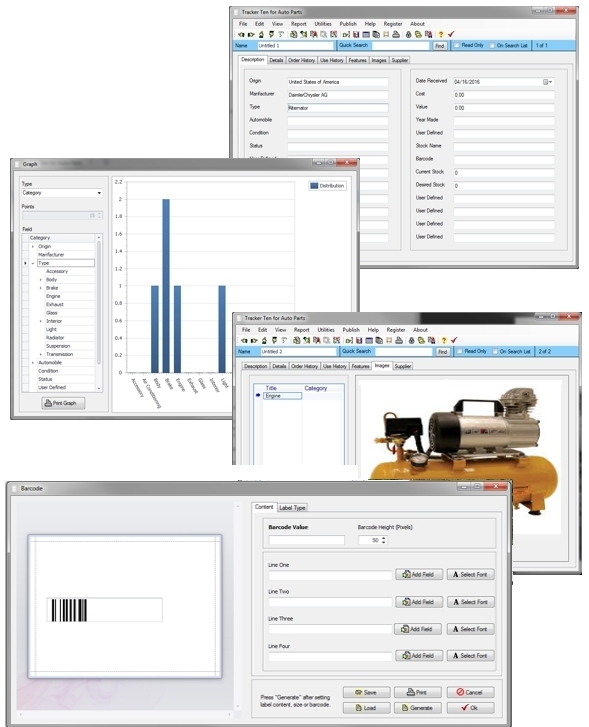
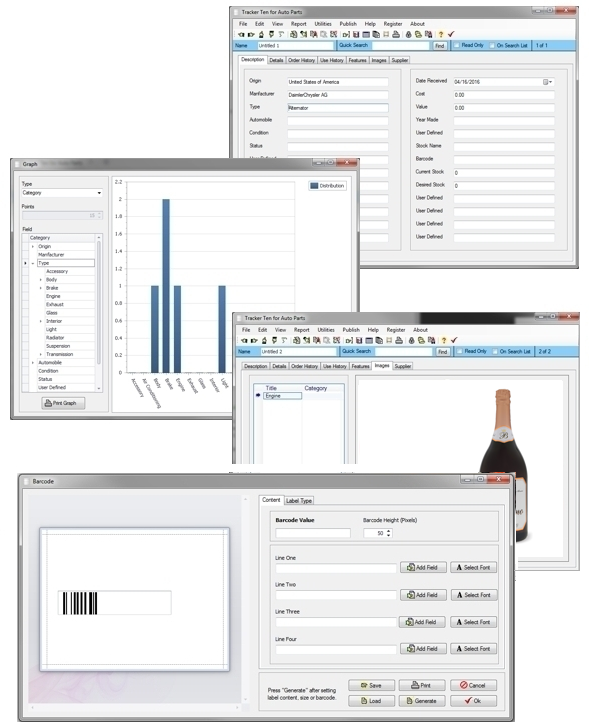
Our Tracker Ten database solutions help businesses implement these money-saving strategies. With robust inventory management, customer tracking, reporting, and automation tools, Tracker Ten makes it easier to reduce costs, prevent waste, and make informed decisions. Browse our site to explore products and see how Tracker Ten can help your business save money and improve operational efficiency.
Looking for windows database software? Try Tracker Ten
- PREVIOUS Automated Agent Ready Data Wednesday, April 30, 2025
- NextCollecting Pez dispensers Monday, April 14, 2025