Database
Monetizing data

Monetizing data refers to the process of generating revenue by leveraging data assets. In the digital age, data is often referred to as the "new oil" because of its immense value to businesses and organizations. Companies across all sectors are increasingly recognizing that the data they collect—from customers, operations, products, and services—can be transformed into a valuable revenue stream. Monetizing data can take many forms, from selling raw datasets to developing entirely new products based on insights derived from data.
There are several methods for monetizing data, each with unique opportunities and challenges. Understanding these methods and implementing them strategically can help businesses unlock value, enhance decision-making, and create competitive advantages. Below, we explore these strategies in depth.
Selling data: One of the most straightforward ways to monetize data is to sell it. Data can be sold as raw datasets or as pre-processed, analyzed, and categorized information. Raw data may include logs of user interactions, purchase histories, sensor readings, or other unprocessed information. Pre-processed data, on the other hand, may include analyzed insights, aggregated statistics, and predictive models. Companies can sell data to other organizations, research institutions, or even individuals seeking specific insights. For example, a fitness app might sell anonymized user activity data to healthcare researchers studying exercise trends and their impact on public health.
Licensing data: Licensing allows a company to grant another entity permission to use its data under specified terms. This could be for a fixed period, for a specific application, or under certain geographic restrictions. Licensing agreements may include provisions that prevent the licensee from reselling the data or using it for unethical purposes. Licensing is often preferable to outright selling, as it allows the original data owner to retain control over usage while still generating revenue.
Advertising: Data is a critical component in delivering targeted advertising. By analyzing user behavior, preferences, and demographics, companies can deliver ads that are more likely to resonate with the audience. Targeted advertising increases click-through rates, conversions, and overall advertising revenue. However, it is crucial to handle user data responsibly, ensuring compliance with privacy regulations such as GDPR, CCPA, and other local laws, and obtaining explicit consent from users.
Creating new products or services: Data can inform the development of entirely new offerings. For instance, streaming services may analyze viewing habits to create curated content recommendations or develop new shows that cater to audience preferences. Similarly, retail companies can use purchasing data to design new products or optimize inventory levels. Leveraging data to innovate helps companies stay competitive and provides additional monetization avenues beyond selling the data itself.
Data partnerships: Collaborating with other organizations can unlock new revenue opportunities. Data-sharing partnerships, or data co-ops, allow companies to pool datasets and gain insights that would not be achievable independently. For example, an automotive manufacturer may collaborate with a telematics company to analyze vehicle performance data, creating services such as predictive maintenance notifications or personalized insurance products. Such collaborations can provide mutual benefits while expanding market reach.
In summary, monetizing data can provide a valuable revenue stream for companies, but it must be approached ethically and strategically. Companies should prioritize transparency, user privacy, and legal compliance to maintain trust with customers while maximizing the value of their data assets.
Where to Sell Data
If you want to sell data, there are multiple avenues to explore, each with its own requirements and benefits. Choosing the right marketplace or method depends on the type of data, its quality, and the intended buyers.
Data marketplaces: Online data marketplaces allow sellers to list their datasets for purchase. Examples include DataStreamX, AWS Data Exchange, and Ocean Protocol. Sellers can price their data according to demand, volume, and quality. Marketplaces also provide tools for licensing, compliance verification, and data delivery, simplifying the sales process.
Data brokers: Data brokers act as intermediaries between data providers and buyers. They aggregate data from multiple sources, clean and standardize it, and then sell or license it to interested parties. Brokers specialize in various sectors, such as consumer behavior, financial transactions, or healthcare. Companies like Acxiom, Experian, and Oracle Data Cloud are notable examples. Partnering with a data broker can help smaller organizations reach a wider audience and monetize their data efficiently.
Direct sales: Selling data directly to a buyer can be highly lucrative, especially if you possess unique or proprietary datasets. Direct sales require proactive marketing, negotiations, and relationship-building. For example, a company with extensive e-commerce customer behavior data might directly approach retailers or research firms who could benefit from this insight. Direct sales allow the seller to maintain pricing control and tailor usage agreements.
Data co-ops: Data co-ops are groups of companies that voluntarily share data for mutual benefit. Members contribute data to a central platform, which aggregates and anonymizes it. Participants gain access to collective insights that may otherwise be inaccessible. This approach is particularly useful for smaller organizations that lack extensive data collection infrastructure but want to leverage shared data for analytics and revenue opportunities.
When selling data, legal and ethical considerations are paramount. Ensure compliance with data protection laws, obtain user consent, anonymize personal information where necessary, and be transparent about how data will be used.
Data Brokers
Data brokers specialize in collecting, aggregating, and reselling information. They gather data from sources such as public records, surveys, loyalty programs, and social media, creating comprehensive profiles of individuals or groups. These profiles may include demographics, purchasing behavior, lifestyle preferences, and online activity.
Companies purchase data from brokers for marketing, research, risk assessment, and strategic decision-making. For instance, a retailer might use broker data to identify new target segments, while a financial institution may assess risk using aggregated consumer behavior data.
Despite their utility, data brokers face criticism for lack of transparency and potential privacy invasions. Regulatory frameworks such as GDPR in Europe require explicit consent for data collection and usage, forcing brokers to adopt stricter compliance measures. Companies working with brokers must assess the ethical implications and ensure adherence to legal standards to avoid reputational or financial risks.
Data Co-op Examples
Data co-ops demonstrate how collaborative data sharing can create value while preserving privacy. The CDP Institute's Data Co-op is a notable example. It allows companies to share customer data securely and anonymously, enabling more accurate marketing segmentation, targeting, and personalization.
Members upload anonymized customer data to a secure platform, where it is combined with data from other members. Advanced analytics and machine learning identify patterns, trends, and insights. Companies benefit from a larger, richer dataset, enabling smarter marketing decisions and improved customer experiences without compromising privacy.
Data co-ops illustrate that collective data usage can unlock insights that individual organizations may not achieve alone. By pooling data responsibly, companies can enhance analytics, generate revenue, and improve strategic decision-making.
How Much is Your Data Worth
The value of data depends on multiple factors, including type, quality, volume, and market demand. High-quality, unique, and well-structured data commands higher prices. Context also plays a role: industry-specific data may have greater value in sectors such as healthcare, finance, or marketing.
The global data market is estimated to be worth trillions of dollars, reflecting the increasing importance of data-driven decisions. For example, the 2019 data and analytics market was valued at around $200 billion, with rapid growth expected in the coming years. Businesses can capitalize on this by identifying high-value datasets and developing strategies to monetize them effectively.
Value of Raw Data vs Analyzed Data
Raw data is unprocessed and may require cleaning, formatting, and analysis to become actionable. While raw data can be valuable, its utility often depends on the buyer’s ability to process it effectively. Analyzed data, which has been processed and transformed into insights, is typically more valuable as it saves time, reduces complexity, and provides immediate business value.
For example, raw website traffic logs may require extensive processing to identify trends, whereas a pre-analyzed report showing customer engagement patterns provides actionable insights immediately. Similarly, predictive models or trend analyses derived from raw data often carry significantly higher market value due to their actionable nature.
It is important for data sellers to understand the audience and intended use of the data. Raw datasets may appeal to analytics teams or research institutions, while analyzed data may be preferred by businesses seeking immediate insights.
Best Practices for Data Monetization
Data quality: Ensure accuracy, completeness, and consistency. Poor-quality data diminishes trust and reduces monetization potential.
Compliance: Adhere to regulations such as GDPR, CCPA, and industry-specific guidelines. Obtain consent and ensure transparent usage policies.
Ethics: Avoid practices that could be deemed invasive or exploitative. Protect sensitive information and anonymize personal data when appropriate.
Segmentation: Understand the market demand for your data. Tailor datasets for specific buyers to maximize value.
Partnerships: Explore collaborations with brokers, marketplaces, or co-ops to expand reach and monetize effectively.
Documentation: Provide clear documentation, including data sources, definitions, and processing steps. Well-documented datasets are more trustworthy and valuable.
Security: Protect data from unauthorized access and breaches. Buyers are more likely to trust and pay for securely handled datasets.
Tracker Ten Database Software
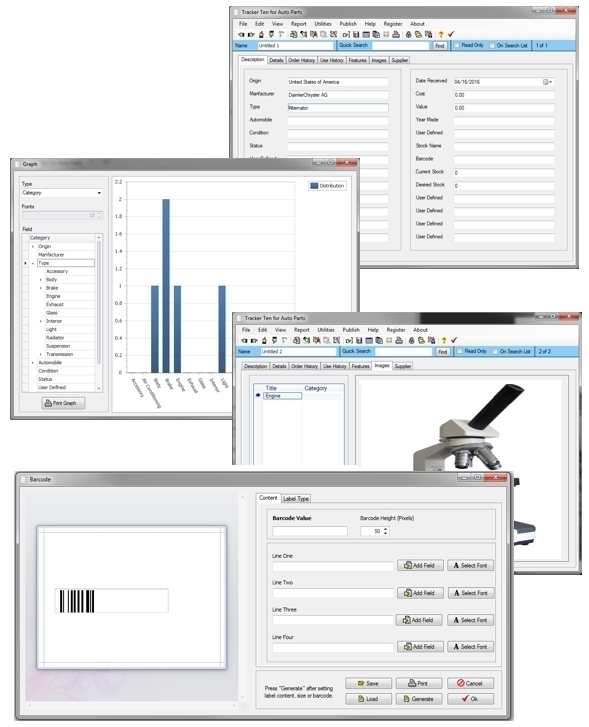
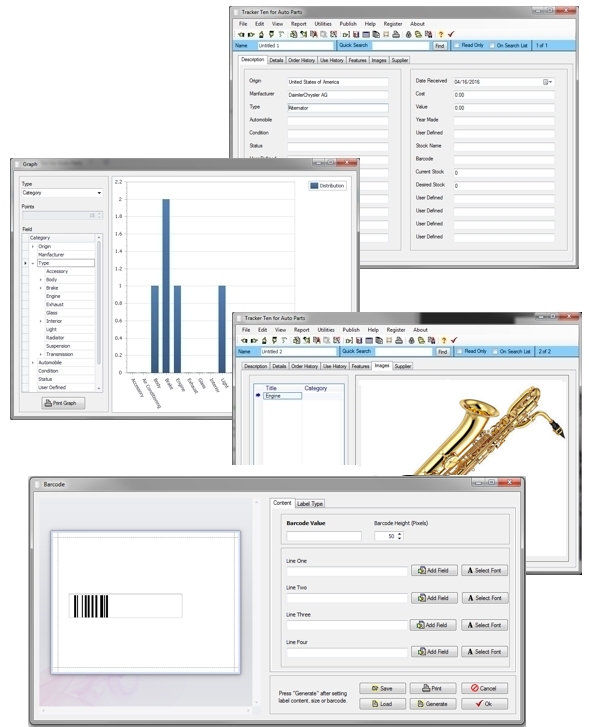
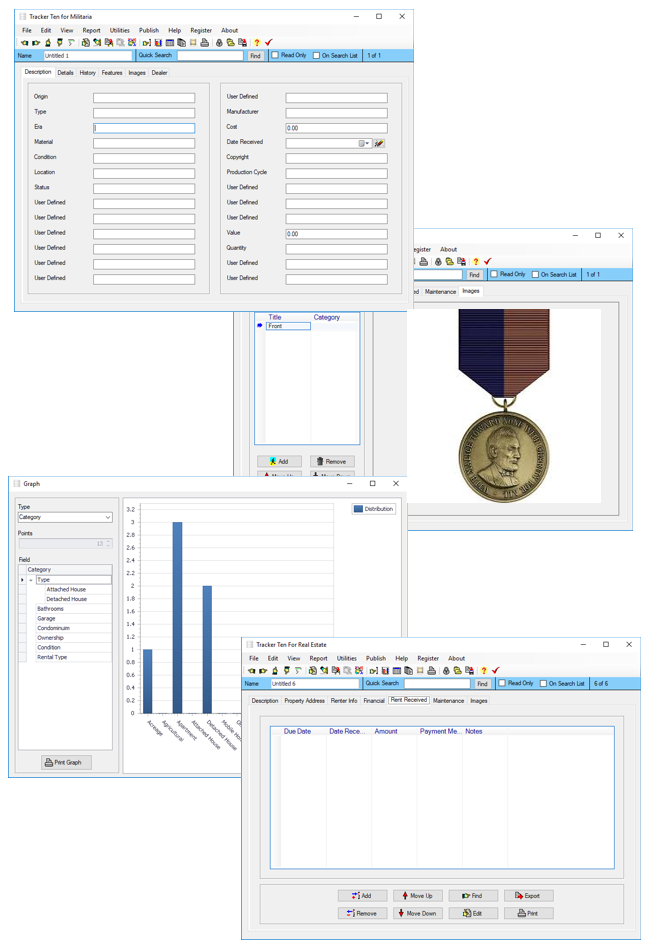
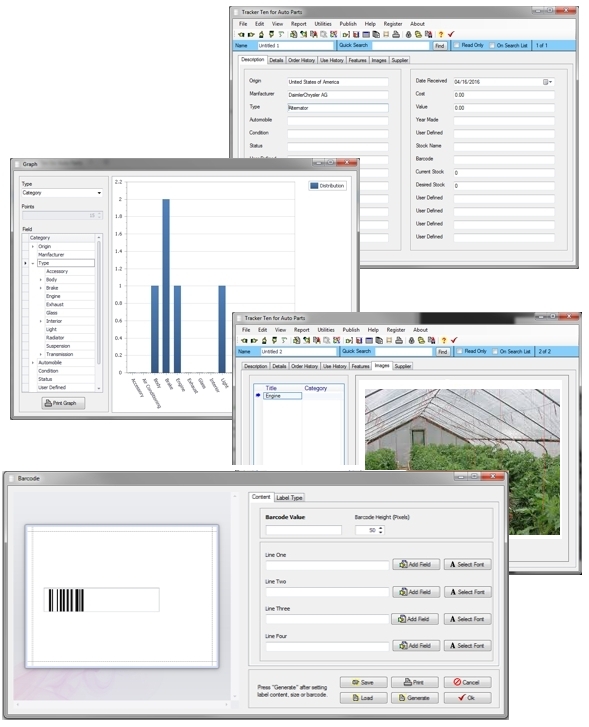
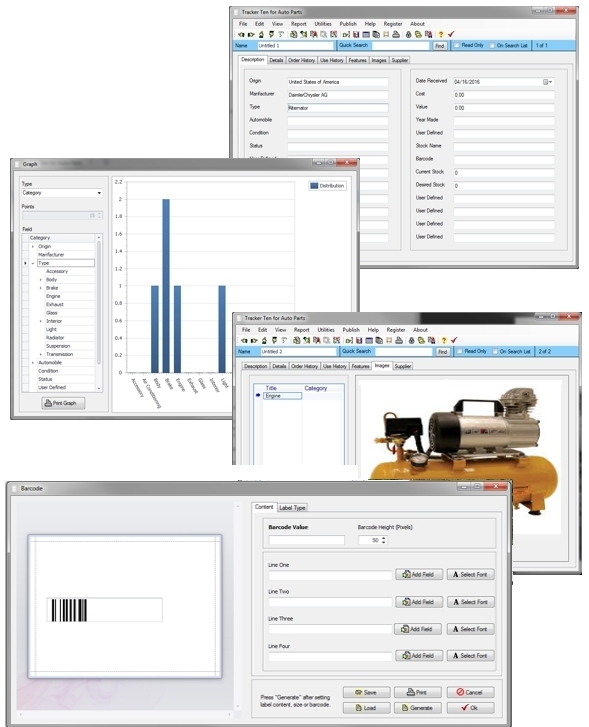
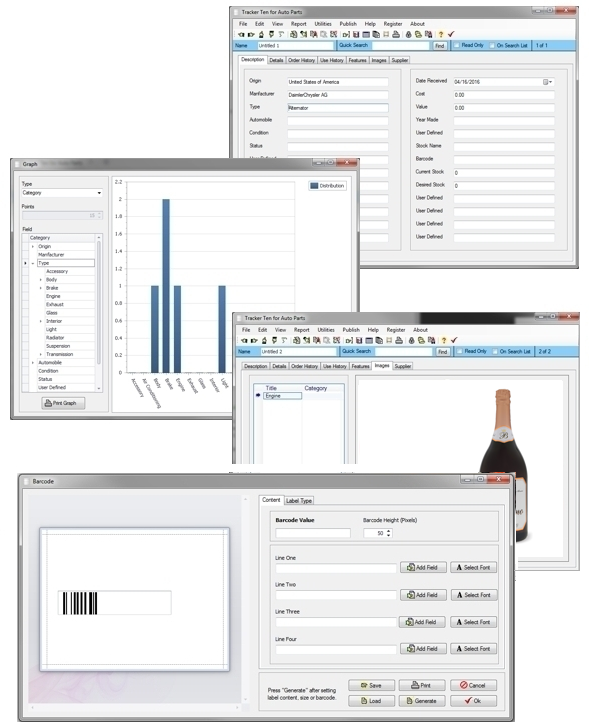
Effectively managing and monetizing your data requires robust tools. Tracker Ten offers software solutions to help track, organize, and analyze your data for monetization. Our platform allows you to maintain accurate datasets, monitor usage, and explore monetization opportunities, whether through direct sales, licensing, or partnerships.
By combining ethical practices, regulatory compliance, and smart technology solutions, your data can become a sustainable revenue source while maintaining trust with users and partners.
Looking for windows database software? Try Tracker Ten
- PREVIOUS Choosing a Database System for your Home or Business Sunday, February 4, 2024
- NextDatabase Migration Monday, December 25, 2023