Science
Scientific Lab Equipment
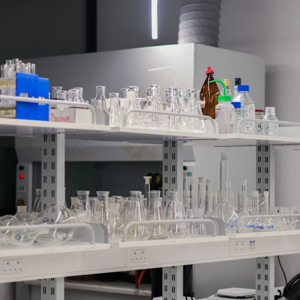
Scientific lab equipment refers to the wide range of instruments, tools, and machines used in scientific research, experimentation, and analysis. This equipment is designed to aid scientists, researchers, and technicians in collecting, measuring, analyzing, and interpreting data. Lab equipment is also critical for carrying out precise and repeatable procedures in controlled environments. From the simplest hand tools to complex automated machines, lab equipment forms the backbone of scientific inquiry.
Examples of commonly used scientific lab equipment include:
Microscopes: Used to magnify and visualize objects or specimens that are too small to be seen with the naked eye. Microscopes range from simple optical models to advanced electron and fluorescence microscopes for high-resolution imaging.
Bunsen Burners: A heat source used for experiments requiring controlled flame, commonly used in chemistry labs for heating, sterilization, and combustion experiments.
Pipettes: Instruments for accurately measuring and transferring liquids. Modern pipettes offer high precision and are essential for biochemical and molecular biology experiments.
Balances and Scales: Used for measuring mass and weight. Analytical balances provide high precision, while mechanical balances are suitable for general laboratory use.
Centrifuges: Machines that separate components of a mixture based on density by spinning samples at high speeds. Widely used in biology, chemistry, and medical labs.
Spectrophotometers: Instruments that measure light absorption or transmission by a substance, essential for studying chemical concentrations and reactions.
Autoclaves: Used to sterilize lab equipment and materials using high-pressure steam, ensuring contamination-free experiments.
Incubators: Provide controlled temperature, humidity, and other conditions for the growth of cells, bacteria, or other organisms, commonly used in biology and medical labs.
pH Meters: Measure the acidity or alkalinity of solutions, crucial for chemical experiments, environmental testing, and food science applications.
Chromatography Equipment: Used to separate and analyze components of mixtures. Chromatography is essential in chemical analysis, pharmaceuticals, and biochemical research.
In addition to these common instruments, specialized labs may have equipment such as thermal cyclers for PCR, mass spectrometers, DNA sequencers, high-performance liquid chromatography (HPLC) systems, and robotic sample handling systems. Each piece of equipment is designed to serve a specific function and improve the accuracy, speed, and efficiency of laboratory procedures.
Scientific Lab Equipment Brands
Choosing the right brand of scientific lab equipment is critical for ensuring reliability, precision, and long-term performance. Well-known brands are often backed by years of research, rigorous quality control, and extensive customer support.
Thermo Fisher Scientific: Provides a wide range of laboratory instruments, including microscopes, spectrometers, chromatography systems, and refrigeration equipment for research and clinical applications.
Agilent Technologies: Specializes in analytical instrumentation, offering solutions for life sciences, chemical analysis, and diagnostics, including HPLC, mass spectrometry, and lab automation systems.
Eppendorf: Offers pipettes, centrifuges, PCR equipment, and cell culture products. Eppendorf is known for high-precision instruments and consumables for molecular biology and biotech labs.
Bio-Rad Laboratories: Produces instruments for genomics, proteomics, and cell biology research, along with reagents and consumables for laboratory experiments.
VWR International: Supplies lab equipment, chemicals, and consumables for academic, biotech, and pharmaceutical research labs worldwide.
Beckman Coulter: Offers laboratory instruments and solutions for clinical diagnostics, research, and bioprocessing, including automated analyzers and centrifuges.
PerkinElmer: Provides analytical instrumentation, including spectroscopy, imaging systems, and environmental testing solutions for research and industry.
Waters Corporation: Known for chromatography instruments, analytical software, and services supporting scientific research, pharmaceuticals, and environmental testing.
When selecting lab equipment brands, labs should consider factors such as product reliability, technical support, service availability, warranty, and compatibility with existing instruments. Comparing multiple brands and consulting reviews can help make informed purchasing decisions.
University Science Lab
University science labs are educational facilities equipped with scientific instruments and materials to support teaching and research. They are crucial for hands-on learning, allowing students to gain practical experience and develop scientific skills.
University labs may specialize in fields like chemistry, biology, physics, environmental science, geology, or interdisciplinary research. General-purpose labs accommodate multiple disciplines and may include shared instruments such as microscopes, spectrophotometers, and incubators.
Key features of university science labs include workstations, lab benches, fume hoods, storage cabinets, sinks, and safety equipment like eyewash stations, fire extinguishers, and emergency showers. Labs are also staffed with instructors and trained technicians who ensure that experiments are conducted safely and correctly.
University labs not only facilitate education but also contribute to research. Students can conduct experiments, collect and analyze data, and engage in collaborative projects, often under the guidance of faculty researchers. University labs play a critical role in advancing scientific knowledge, preparing future researchers, and fostering innovation.
Commercial Research Lab
Commercial research labs operate within private companies and focus on applied scientific research to develop new products, improve existing products, or enhance manufacturing processes. These labs are common in industries such as pharmaceuticals, biotechnology, electronics, energy, and agriculture.
Commercial labs are staffed with scientists, engineers, and technicians who carry out research in specialized areas. The research often involves proprietary methods, and findings are used to gain competitive advantages, secure patents, or bring new products to market.
Commercial research labs are typically well-equipped with state-of-the-art instruments, including automated analyzers, robotic systems, mass spectrometers, chromatography systems, and computational tools. They may also collaborate with academic institutions or other commercial labs to expand research capabilities.
The work conducted in commercial labs has a direct impact on innovation, product development, and the economy. These labs must maintain high standards of quality, efficiency, and safety while managing intellectual property and regulatory compliance.
Government Science Lab
Government science labs are research facilities funded and operated by federal, state, or local agencies. These labs focus on public interest research, policy development, and regulatory compliance. Examples in the United States include:
National Institutes of Health (NIH): Conducts biomedical research across various health topics.
National Aeronautics and Space Administration (NASA): Researches space exploration, technology, and Earth sciences.
National Institute of Standards and Technology (NIST): Develops standards and technologies in physics, materials, and engineering.
Environmental Protection Agency (EPA): Conducts research on environmental protection, pollution prevention, and sustainability.
National Oceanic and Atmospheric Administration (NOAA): Studies weather, climate, oceans, and coastal regions.
Department of Energy (DOE): Researches energy, nuclear technologies, and environmental management.
United States Geological Survey (USGS): Provides research on natural resources, hazards, and geological studies.
Government labs often collaborate with universities and commercial labs to advance scientific knowledge and innovation. Their research supports public policy, safety standards, environmental management, and technological advancement.
Scientific Lab Safety
Lab safety is critical to protect personnel from chemical, biological, physical, and mechanical hazards. Safety practices ensure that experiments are conducted without injury or contamination.
Proper Training: Lab personnel must be trained in equipment use, chemical handling, and emergency protocols.
Personal Protective Equipment (PPE): Gloves, goggles, lab coats, and face shields protect against exposure to hazardous substances.
Hazardous Material Handling: Chemicals, biological samples, and radioactive materials must be properly stored, labeled, and disposed of safely.
Equipment Safety: Machines should be maintained, calibrated, and used according to manufacturer guidelines.
Emergency Preparedness: Staff should know evacuation routes, first aid procedures, and the locations of safety equipment.
Good Laboratory Practices: Cleanliness, organization, proper labeling, and accurate record-keeping reduce risk and improve reproducibility.
A strong safety culture in labs ensures protection for all personnel and minimizes risks associated with scientific work.
Used Scientific Lab Equipment
Purchasing used lab equipment can be cost-effective, especially for startups or educational institutions. However, careful evaluation is critical to ensure functionality and safety.
Quality: Inspect for damage, wear, and maintenance history.
Compatibility: Ensure equipment works with existing systems and software.
Warranty: Check for warranties or return policies.
Supplier Reputation: Research vendor credibility and past customer experiences.
Price: Compare with new equipment, considering shipping and maintenance.
Safety and Compliance: Verify adherence to safety standards and regulations.
Used equipment, when properly vetted, can provide labs with high-quality functionality at a fraction of the cost of new instruments.
Financing Scientific Lab Equipment
Lab equipment can be a significant investment. Financing options include:
Grants: Government and private organizations provide funding for research and equipment.
Equipment Leasing: Spreads cost over time and may offer tax benefits.
Equipment Loans: Lower interest rates for purchasing new or used equipment.
Specialized Financing Companies: Offer tailored financing plans for lab purchases.
Crowdfunding: Suitable for start-ups or specific research projects.
Careful evaluation of financing options ensures labs can acquire essential equipment while managing budgets efficiently.
Scientific Lab Equipment Tracking
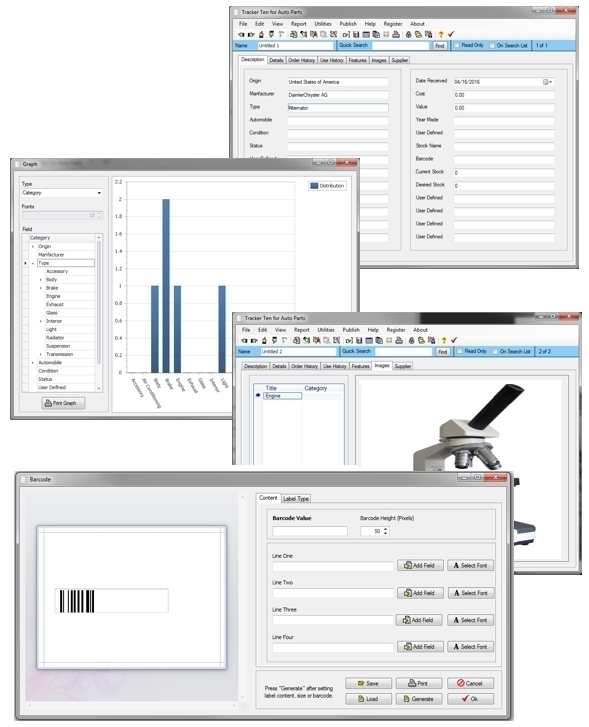
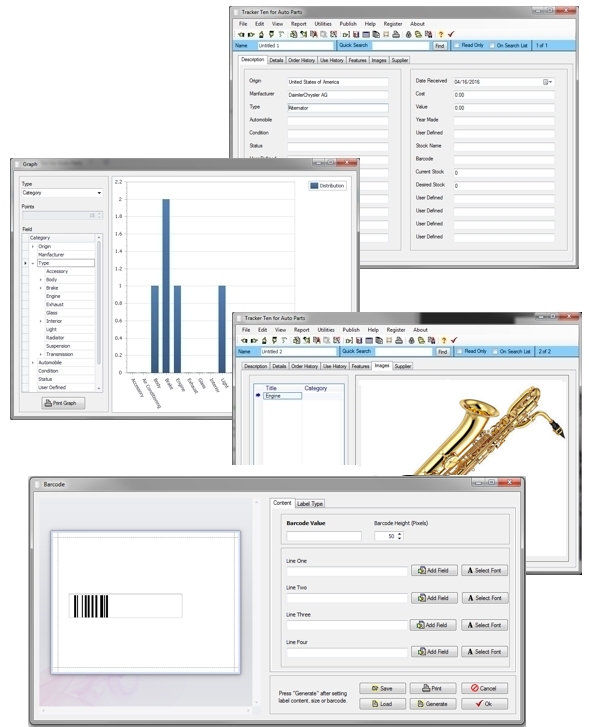
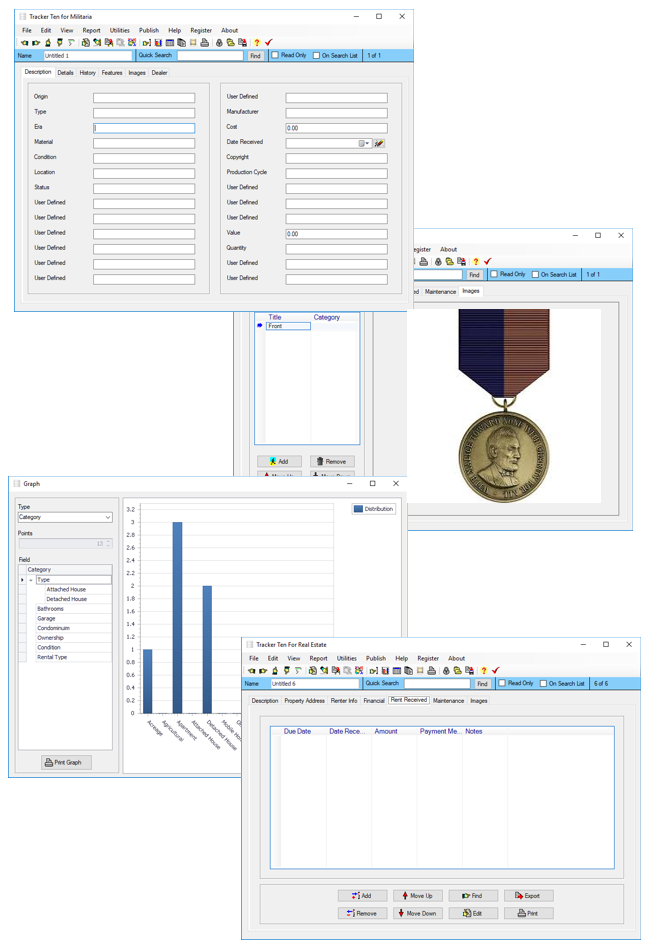
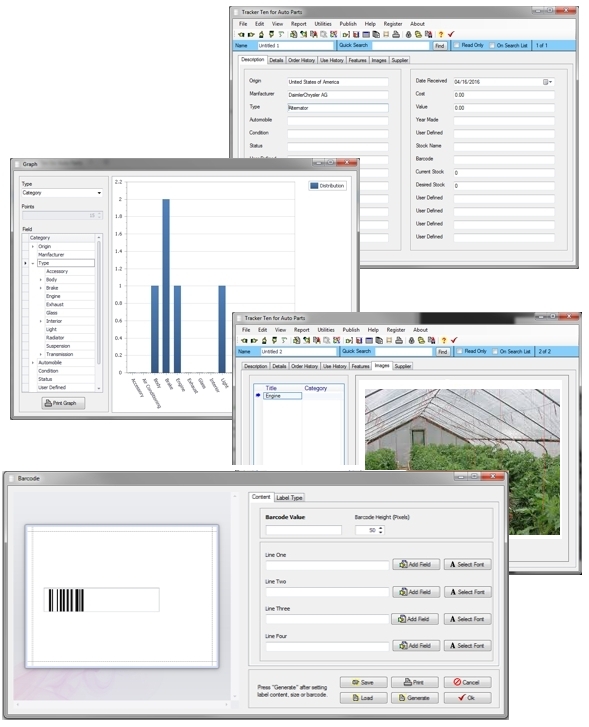
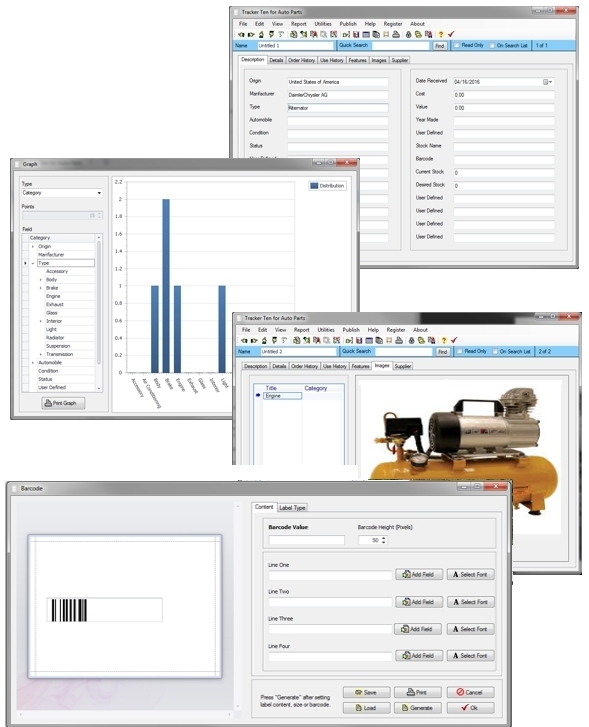
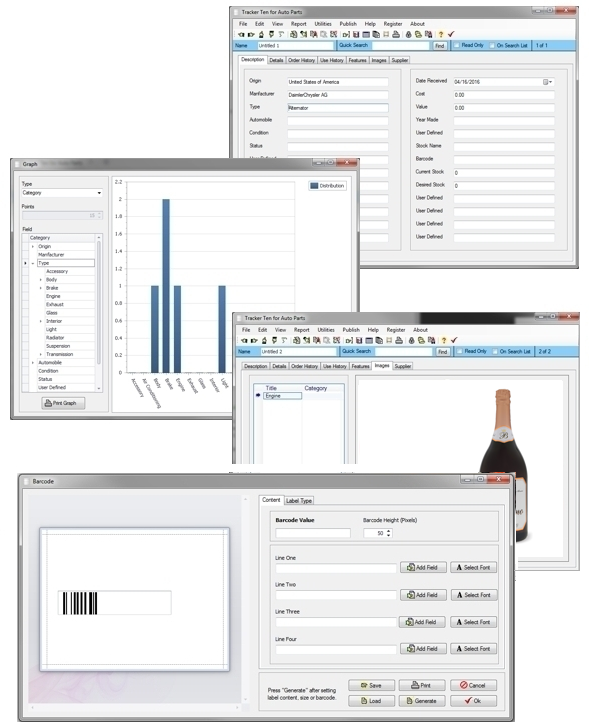
Lab equipment represents significant investment, making tracking critical. Software tools like Tracker Ten for Lab Equipment can help monitor usage, maintenance schedules, and asset location.
Tracking ensures:
Equipment utilization is optimized.
Maintenance and calibration schedules are adhered to.
Inventory records are accurate, reducing unnecessary purchases.
Compliance with safety and regulatory standards is maintained.
By implementing effective tracking, labs can maximize the lifespan and efficiency of scientific instruments while reducing costs and downtime.
Looking for windows database software? Try Tracker Ten
- PREVIOUS Equipment Maintenance Tracking Monday, June 12, 2023
- NextToy Car Collection Tracking Saturday, June 3, 2023