Database
Speeding Up Data Entry

One of the most time-consuming parts of creating and maintaining a database is data entry. Entering information manually can be tedious, repetitive, and prone to errors. Fortunately, there are several ways to speed up data entry, improve accuracy, and make the process more efficient. Depending on the type of data, the software tools you use, and your workflow, you can implement multiple strategies to optimize your data entry process.
Data entry is not just about typing quickly; it also involves organizing data effectively, minimizing redundancy, validating entries, and ensuring consistency. Over time, businesses and individual database managers have developed numerous techniques to streamline data entry. Here are some practical tips to speed up the process:
Use keyboard shortcuts: Learning and using keyboard shortcuts can save a considerable amount of time. Most data entry software, spreadsheets, and database systems provide keyboard commands for navigation, selection, copying, pasting, and other repetitive actions. Becoming proficient with shortcuts reduces the need to switch between mouse and keyboard, minimizing workflow interruptions.
Use auto-complete and predictive text: Many modern applications, including web forms, spreadsheets, and text editors, offer auto-complete or predictive text features. These features suggest common entries based on previous inputs, allowing you to fill repetitive fields quickly without retyping. For example, entering frequently used product codes, addresses, or names can be accelerated significantly.
Use copy and paste: When the same information needs to appear in multiple places, copying and pasting is far faster than typing repeatedly. Copying not only saves time but also reduces the chance of typographical errors. Advanced copy-paste techniques, such as multi-clipboard utilities, can store multiple entries for repeated use.
Use templates and forms: Templates provide a structured layout for consistent data entry. Many database applications, including Microsoft Access and Excel, allow you to create custom forms that streamline data collection. Using forms ensures that fields are consistently labeled and reduces the need to type everything from scratch.
Use voice-to-text software: Voice recognition technology has improved dramatically. With software like Dragon NaturallySpeaking or built-in dictation tools in modern operating systems, you can speak your data instead of typing it. This is especially useful for lengthy textual entries or for individuals who find typing physically demanding.
Use a dedicated data entry tool: Dedicated data entry tools are designed specifically to optimize input workflows. These tools often include auto-complete, templates, forms, and integration with external databases. They can import data from spreadsheets, text files, or web sources, minimizing manual entry and ensuring accuracy.
Practice touch typing: Improving your typing speed and accuracy through touch typing can significantly enhance data entry efficiency. Online typing courses and practice exercises can help you reach professional speeds, reducing fatigue and errors.
Data Entry Tools
Using the right tools can make a huge difference in data entry speed and accuracy. Modern data entry software often incorporates automation, error checking, and advanced input methods. Some popular types of data entry tools include:
Optical Character Recognition (OCR) software: OCR converts scanned documents, PDFs, and images into editable text. This eliminates the need to manually type printed information and is commonly used for invoices, forms, and archival records.
Text expanders: Text expanders allow you to assign shortcuts for frequently used words, phrases, or entire paragraphs. For instance, typing "addr1" could automatically expand to a full address, saving time on repetitive entries.
Keyboard macros: Keyboard macros record sequences of keystrokes and mouse actions that can be replayed with a single command. They are especially useful for repetitive tasks, like formatting data, applying templates, or navigating multiple forms.
Data entry software: Software such as Microsoft Access, FileMaker, or Tracker Ten provides specialized data entry interfaces. Features like auto-fill, validation rules, and integration with other systems streamline workflow and reduce errors.
Speech recognition software: Dictation tools allow users to speak information directly into the database. This is helpful for large text entries, customer notes, or when input devices are limited.
Data extraction and scraping tools: For web or PDF sources, data extraction tools automatically pull relevant information, converting it into structured formats. This reduces the need for manual entry and ensures consistency.
Spreadsheet and database software: Excel, Google Sheets, and Access are widely used for data entry. Advanced features, including macros, formulas, and conditional formatting, can automate repetitive tasks and improve efficiency.
When choosing data entry tools, consider the type of data you are entering, the volume, and whether the tool integrates with your existing database. Using the right tools ensures accuracy, reduces errors, and saves significant time.
Outsourcing Data Entry
For organizations dealing with large volumes of data, outsourcing can be an effective strategy. Outsourcing allows businesses to focus on core operations while external experts handle data input. Here are key considerations when outsourcing data entry:
Choose a reputable service provider: Select a provider with a proven track record. Look for reviews, case studies, and testimonials to assess quality and reliability.
Define requirements clearly: Specify the scope of work, data formats, quality standards, and deadlines. Clear requirements prevent misunderstandings and ensure accurate results.
Provide detailed instructions: Supply step-by-step instructions, including access procedures, data validation rules, and formatting guidelines. Clear instructions reduce errors and improve efficiency.
Use secure data transfer: Protect sensitive data using encrypted transfers, secure portals, or VPNs. Security is essential to prevent unauthorized access.
Review work regularly: Periodic checks ensure quality standards are maintained. Early detection of errors prevents large-scale issues later.
Maintain open communication: Establish channels for questions, clarifications, and feedback. Effective communication ensures smooth workflow and timely issue resolution.
Outsourcing can reduce operational costs, increase efficiency, and provide access to specialized skills. However, it requires careful planning, clear expectations, and monitoring to ensure accuracy and consistency.
Data Entry Overseas
Many businesses choose to outsource data entry overseas to leverage cost advantages and skilled labor. While this approach can be effective, it introduces unique challenges. Key factors to consider include:
Language barriers: Ensure that the overseas team understands the language requirements to avoid misinterpretation and errors.
Time zone differences: Coordinate schedules to maintain workflow continuity and timely responses.
Quality control: Implement strict quality control systems, including regular audits and sample checks, to maintain data accuracy.
Data security: Confirm that the overseas provider follows strict data protection protocols to safeguard sensitive information.
Cultural differences: Be mindful of work habits, communication styles, and attention to detail, which may vary across regions.
Legal compliance: Ensure the provider complies with local and international regulations, including data privacy and labor laws.
Service level agreements (SLAs): Define clear SLAs for turnaround times, quality standards, and penalties for non-compliance to ensure accountability.
Outsourcing overseas can be highly efficient, but it requires careful management, clear communication, and robust quality assurance protocols to ensure success.
Data Entry in Tracker Ten
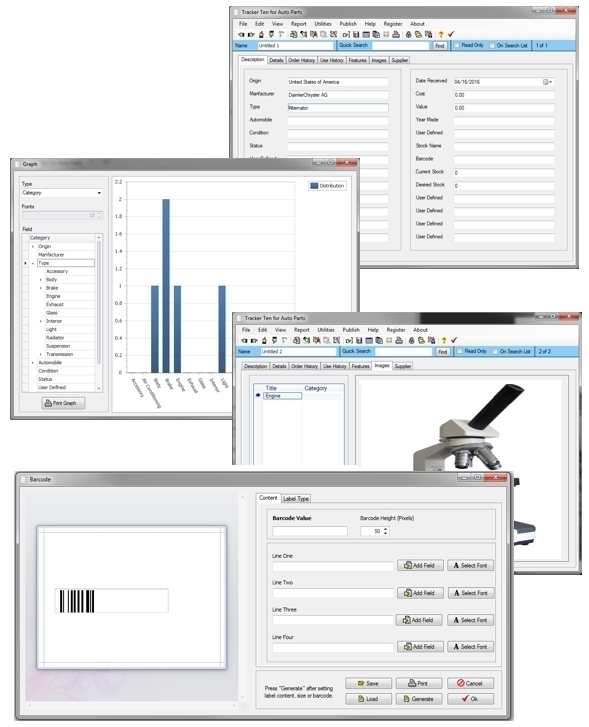
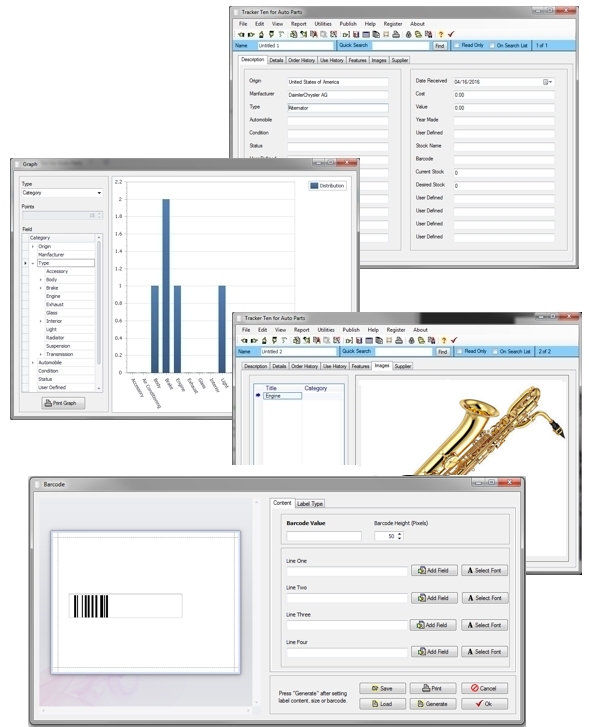
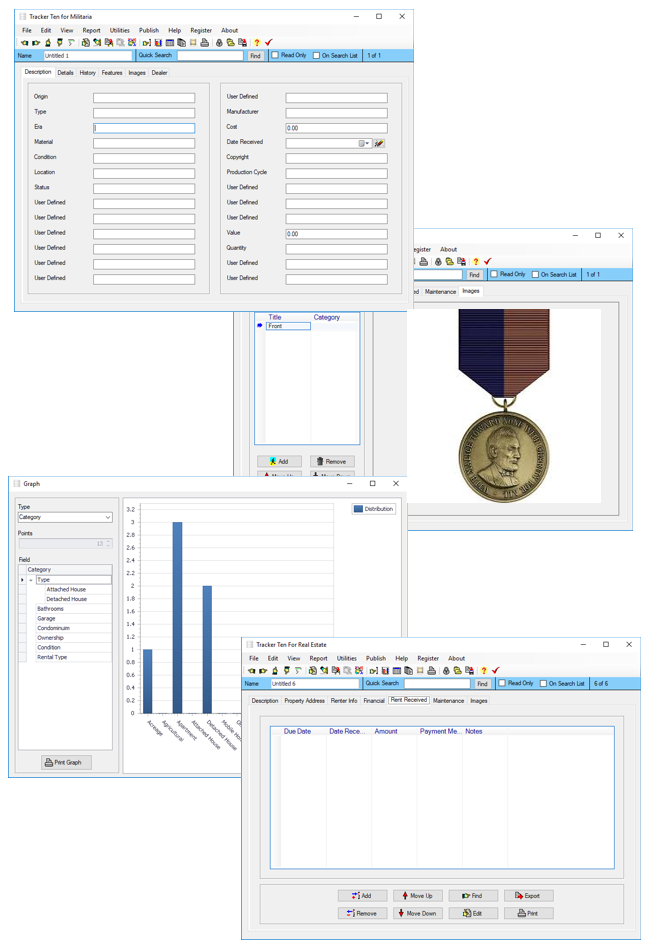
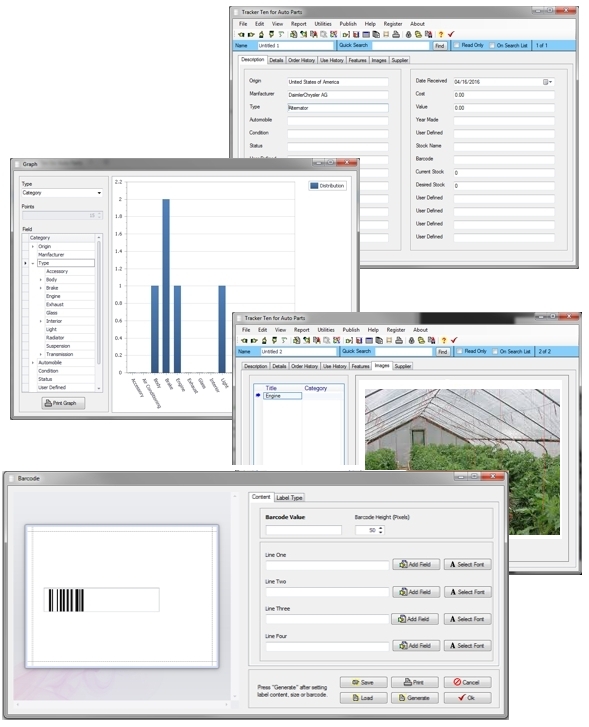
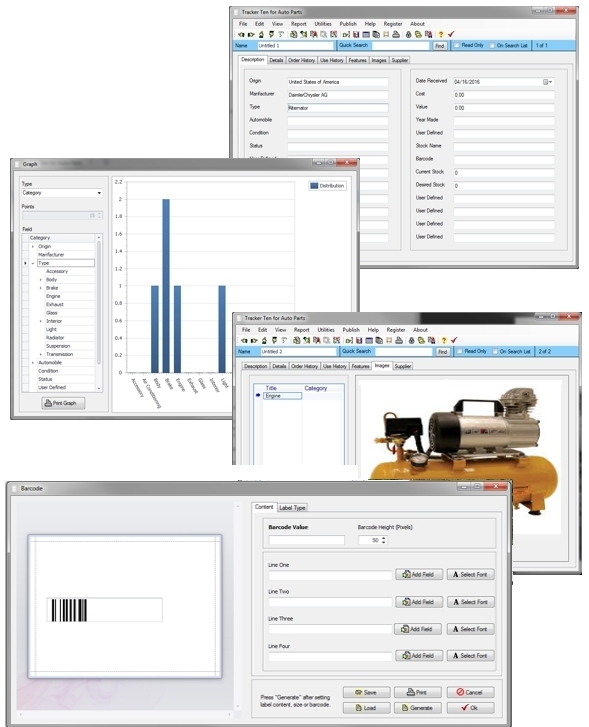
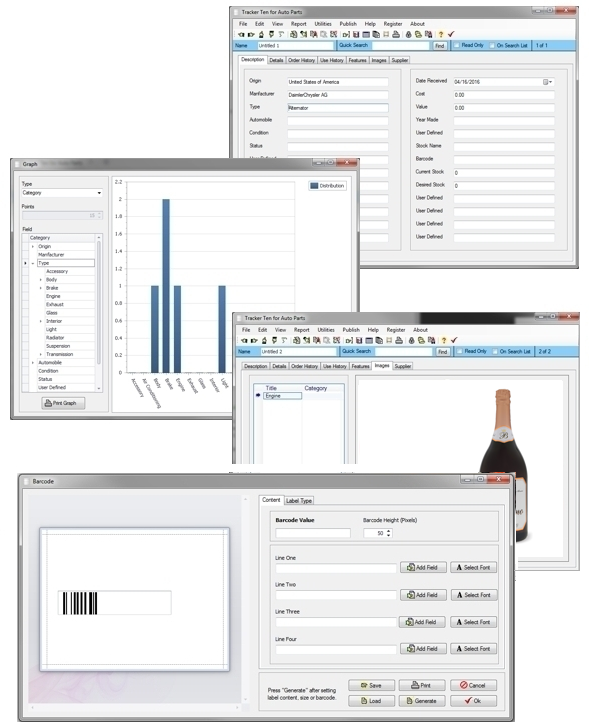
In our Tracker Ten system, data entry is streamlined through an intuitive Graphical User Interface (GUI). Tracker Ten incorporates many features to speed up entry, including forms, templates, auto-complete, and custom fields. Users can leverage touch typing, keyboard shortcuts, and integrated tools to reduce errors and increase productivity.
Tracker Ten also supports bulk imports, allowing users to input data from spreadsheets or other databases efficiently. Combined with validation rules and error-checking features, this system minimizes the need for repeated manual entry.
By implementing these techniques, businesses and individuals can optimize their data entry workflows, whether handling small-scale projects or managing large-scale databases. For more details and to explore all versions of Tracker Ten, visit our website.
Looking for windows database software? Try Tracker Ten
- PREVIOUS Data interoperability Wednesday, March 1, 2023
- NextFuture of Database Design Monday, January 23, 2023