Hobbies
Stamp Collecting
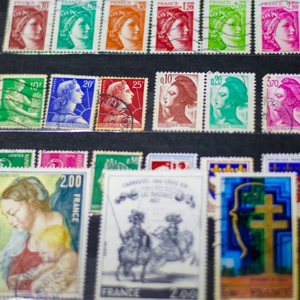
Postal stamps are small pieces of paper that are affixed to envelopes or packages to indicate that postage has been paid for their delivery. Stamps are usually issued by postal authorities and feature designs that represent different aspects of a country's culture, history, or national identity. Over the years, stamps have evolved from simple postage indicators to highly collectible items with artistic, historical, and monetary value.
Stamps were first introduced in the mid-19th century as a more efficient way to pay for postage, replacing the need for manually applied postage marks. The first adhesive postage stamp, the Penny Black, was issued in Great Britain in 1840. Since then, stamps have become an essential part of global postal systems and a fascinating subject for collectors worldwide.
Stamp collecting, or philately, involves acquiring and studying stamps and related postal materials. Collectors may focus on stamps for their historical significance, artistic merit, rarity, or thematic interest. Many philatelists also collect postmarks, covers, and other artifacts of postal history, providing a rich perspective on communication, art, and culture over time.
What is Stamp Collecting
Stamp collecting is the practice of acquiring and studying postage stamps. It is one of the most popular hobbies in the world and appeals to people of all ages. The hobby provides both entertainment and educational value, allowing collectors to explore history, geography, culture, and art through the lens of postage stamps.
The term "philatelist" refers to someone who collects stamps and studies their history, production, and designs. Philatelists often specialize in specific areas, such as stamps from a particular country, region, or time period. Others focus on thematic collections, such as stamps featuring animals, famous personalities, historical events, or artistic styles.
Stamp collecting also extends to postal history, which includes the study of postmarks, cancellations, and covers. Covers are envelopes or packages that have passed through the mail system and retain stamps, postmarks, and other postal markings. Collecting covers provides insights into postal routes, communication practices, and historical events.
Stamp collecting is accessible to beginners and can scale to highly advanced collections. Beginners may start with modern stamps from local post offices, while experienced collectors may pursue rare or historically significant stamps that require careful research and expertise.
Why Collect Stamps
There are many reasons why individuals pursue stamp collecting. Some collect for enjoyment, some for educational purposes, and others for investment potential. Here are several motivations behind stamp collecting:
Historical interest: Stamps reflect a country’s history, politics, and significant events. Collectors often study stamps to gain a deeper understanding of historical contexts and periods.
Artistic interest: Many stamps feature intricate designs, paintings, and illustrations. Collectors may focus on collecting stamps showcasing specific art movements, styles, or artists.
Cultural interest: Stamps often depict cultural heritage, traditions, or national achievements, allowing collectors to explore diverse global cultures.
Educational value: Stamp collecting encourages learning about geography, history, science, and politics. Collectors often research the background of each stamp and its significance.
Investment value: Rare stamps can appreciate in value over time. Collectors may acquire stamps with the expectation of financial return.
Personal enjoyment: Many collectors derive pleasure and relaxation from organizing, studying, and displaying stamps.
Overall, stamp collecting is a multifaceted hobby that appeals to diverse interests. It combines history, art, education, and investment opportunities, making it an enduring pursuit enjoyed by millions worldwide.
Stamp Collecting Supplies
Stamp collecting requires various supplies to organize, protect, and study stamps. These supplies ensure that stamps are preserved in good condition and are accessible for viewing and study. Key stamp collecting supplies include:
Stamp albums: Albums are used to organize and display stamps. Options range from simple stock books to elaborate albums with pre-printed pages for specific countries or themes.
Stamp hinges: Small gummed paper strips that attach stamps to album pages. Hinges are an inexpensive and traditional method of mounting stamps.
Stamp tongs: Tweezers designed for handling stamps without causing damage. They prevent oils and dirt from fingers from transferring to the stamps.
Magnifying glass: A magnifier helps examine fine details, watermarks, perforations, and potential flaws on stamps.
Stamp mounts: Clear plastic sleeves that protect stamps while displaying them in albums. They can be attached to pages or used for standalone displays.
Perforation gauge: A tool to measure perforations, which are critical for identifying stamp varieties and determining value.
Watermark detector: Detects watermarks by shining light through stamps. Watermarks can indicate authenticity and increase value.
Stamp storage boxes: Boxes protect loose stamps from light, dust, and moisture. They come in various sizes and materials, including plastic and cardboard.
UV lamp: Used to detect repairs, alterations, or certain papers that fluoresce differently under UV light.
Collectors may also use specialized catalogs, digital databases, and organizational tools to track and research their collections. These supplies enhance the experience and enable effective study, preservation, and display.
Stamp Condition
The condition of a stamp significantly affects its value and desirability. Key factors include:
Gum: Adhesive on the back of the stamp. Mint condition stamps retain original gum, while missing or damaged gum reduces value.
Centering: Refers to the positioning of the design within the stamp's borders. Well-centered stamps are more desirable.
Color: Bright, vibrant, and even colors are preferred. Faded colors reduce value.
Perforations: Clean, complete perforations are preferred. Damaged or irregular perforations decrease value.
Tears or creases: Any physical damage reduces a stamp’s grade and market value.
Hinges: Marks left by mounting stamps with hinges can affect value, especially for mint condition stamps.
Watermarks: Faint designs in the paper that indicate authenticity. Clear watermarks are preferred over faint or missing ones.
Collectors often use grading systems, ranging from "mint" (perfect) to "poor" (damaged), to assess stamp condition. Condition plays a major role in determining value, collectibility, and resale potential.
Stamp Value
Several factors determine the value of a stamp, including age, rarity, demand, and historical significance. Key considerations include:
Age: Older stamps are often rarer and more valuable.
Condition: Mint or lightly used stamps are more valuable than heavily used or damaged ones.
Rarity: Limited edition stamps, printing errors, or unique variations can significantly increase value.
Demand: Popular themes, notable historical events, or famous personalities often drive higher demand.
Historical significance: Stamps commemorating important events or figures can have increased collectible value.
Reputable stamp catalogs, such as the Scott Catalogue, provide estimates of stamp values. However, actual market prices can vary depending on collector interest, auction results, and other factors.
United States Stamps
The first U.S. postage stamp was issued in 1847. U.S. stamps cover a broad range of themes including American history, culture, prominent figures, and landmarks. Notable examples include the 1918 Inverted Jenny, the 1869 Pictorials, and the 1933 Century of Progress stamps. Many collectors focus on specific eras or themes, and the American Philatelic Society offers extensive resources for collectors of all levels.
European Stamps
European stamps feature intricate designs, historical depictions, and cultural significance. Famous European stamps include the Penny Black (UK, 1840), the Blue Mauritius (Mauritius, 1847), and numerous commemorative issues. Collectors may specialize in specific countries or thematic collections, and stamps are available at post offices, dealers, and online marketplaces.
African Stamps
African stamps are colorful and culturally significant. Examples include Egypt’s "Red Mercury" (1927), Chad’s "Chad to the Space" (1960), and Zimbabwe’s "Endangered Animals" (1977). Collectors often focus on regional collections or thematic interests such as wildlife, history, or culture. African stamps are available through post offices, dealers, and online marketplaces.
Asian Stamps
Asian stamps feature vibrant designs and cultural themes. Popular examples include China’s 1949 "Mao Tse-Tung" stamp, Japan’s 1951 "Butterflies," and Thailand’s 1983 "Fruits." Collectors may specialize by country or theme, and limited-edition issues are highly sought after. Miniature sheets and souvenir sheets are also produced by many countries.
Stamp Collecting Database Software
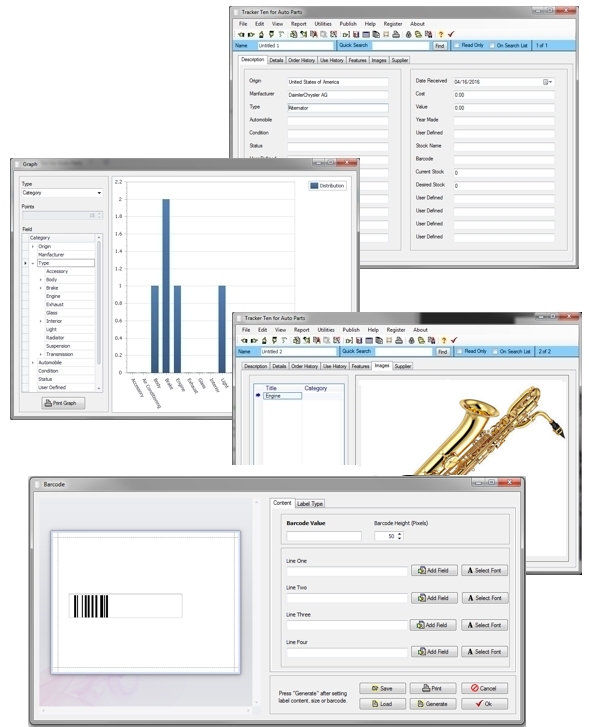
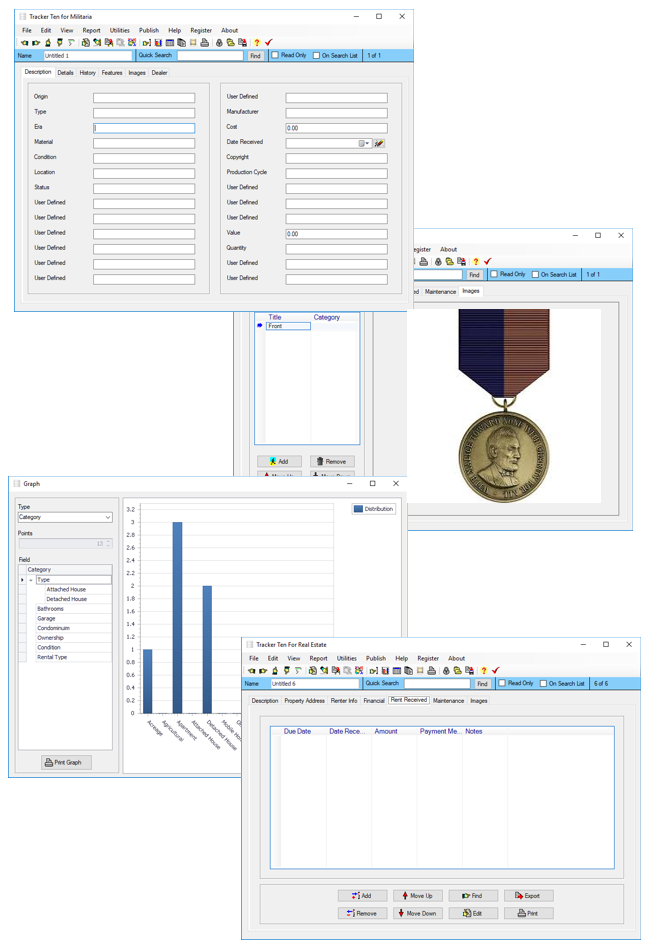
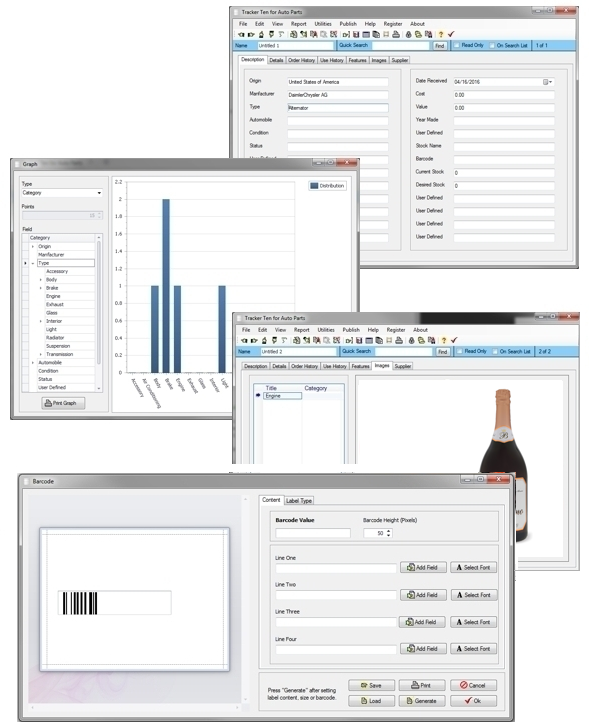
Tracking a large stamp collection can be challenging. Digital tools help collectors organize, document, and study their stamps. The Tracker Ten for Stamps software allows collectors to catalog stamps, track acquisitions, manage values, and generate reports. It supports images, metadata, and custom fields, making it an invaluable tool for modern philatelists.
Looking for windows database software? Try Tracker Ten
- PREVIOUS Tracking Students in a Small School Thursday, January 19, 2023
- NextChallenges of Tracking Time in a Database Saturday, January 7, 2023