Database
When to Archive Data

Databases have a natural tendency to grow over time. Regardless of the type of information you store, most databases accumulate data continuously as systems are used day after day, year after year. Customer records increase as businesses gain new clients, transaction logs expand with every sale, enrollment lists grow as students register, and even simple home databases become larger as new items are added. This growth is both expected and unavoidable in most real-world systems.
At first, database growth is rarely noticeable. Modern computers and database engines are powerful and can handle large amounts of data efficiently. However, as the volume of stored information increases, performance issues inevitably begin to surface. Queries take longer to execute, backups require more time and storage space, indexes become heavier, and maintenance tasks become more complex. Eventually, even well-designed databases may struggle to deliver the speed and responsiveness users expect.
One of the most effective ways to combat long-term database performance degradation is data archiving. Archiving allows you to remove data that is no longer needed for day-to-day operations while still preserving it for future reference. By separating active data from historical data, you reduce the load on your core database and improve overall system efficiency.
Data archiving is not only a performance optimization technique but also a strategic data management practice. It encourages organizations and individuals to think critically about the lifecycle of their data, identifying what is truly needed for operational purposes versus what can be safely moved to long-term storage. When done correctly, archiving can extend the useful life of a database system and delay or even eliminate the need for costly hardware upgrades.
In this article, we will explore what database archiving is, when it should be done, how to prepare for it, and the strategies and tools available to manage archived data effectively. We will also discuss regulatory considerations and best practices to ensure your archived data remains secure, accessible, and compliant with legal requirements.
What is Database Archiving?
Database archiving is the process of removing data that is no longer actively used from a primary database and storing it in a separate location designed for long-term retention. The archived data is preserved in a way that allows it to be accessed later if necessary, but it is no longer part of the active dataset that the system queries on a regular basis.
The key objective of archiving is to improve the performance and manageability of the primary database. By reducing the amount of active data, database engines can process queries more quickly, indexes become smaller and more efficient, and routine maintenance tasks such as backups, restores, and integrity checks are completed faster.
It is important to distinguish between data archiving and data backup. Backups are copies of your current database state, created to protect against data loss caused by hardware failure, software bugs, or accidental deletion. When you back up data, the original records remain in the database. Archiving, on the other hand, involves actually removing data from the primary database after it has been safely stored elsewhere.
Another distinction worth noting is between archiving and deletion. Deleting data permanently removes it from the system with no intention of recovery. Archiving preserves data for potential future use, audits, reporting, or compliance purposes. In many industries, outright deletion of historical data is either impractical or illegal, making archiving a safer and more responsible alternative.
Once data has been archived, organizations often notice immediate benefits. Database queries run faster because there are fewer rows to scan. Application interfaces feel more responsive. Storage costs may decrease, particularly if archived data is compressed or moved to lower-cost storage solutions. These benefits compound over time as databases continue to grow.
Why Database Growth Impacts Performance
Understanding why large databases can slow down is helpful when deciding when and how to archive data. As a database grows, several factors contribute to reduced performance. Indexes become larger and require more memory and processing time to maintain. Queries that scan tables with millions of rows take longer to execute than those scanning thousands.
Backups and restores are also affected by data volume. Large databases take longer to back up, which can extend maintenance windows and increase the risk of incomplete or failed backups. Restoring a large database after a failure can result in extended downtime, impacting business operations.
Another issue is storage fragmentation. Over time, as records are added, updated, and deleted, data can become fragmented on disk. Fragmentation reduces the efficiency of read and write operations and can further degrade performance.
In addition, large databases place greater demands on system resources such as memory, CPU, and disk I/O. Even if your hardware is sufficient today, continued data growth can eventually exceed available resources, forcing expensive upgrades or migrations.
Archiving addresses these issues by keeping the active dataset lean and focused on current operations. Historical data is still preserved but no longer burdens the core system.
When Should You Archive Data?
Determining when to archive data is both a technical and a business decision. In general, data should be archived when it is no longer required for daily operations but may still be valuable for historical reference, reporting, or compliance.
Common examples include sales transactions from previous fiscal years, completed projects in a project management system, former employees in a human resources database, outdated inventory items, or past student enrollments in an educational system. In each case, the data has served its immediate purpose but may still need to be retained.
Another indicator that it may be time to archive data is declining system performance. If queries are noticeably slower, reports take longer to generate, or maintenance tasks are becoming unwieldy, excessive data volume may be a contributing factor.
Archiving does not mean that data is gone forever. As long as archived data is stored properly and documented, it can be retrieved if needed. This makes archiving a low-risk strategy for improving performance while preserving historical records.
Some organizations adopt time-based archiving policies, such as archiving records older than a certain number of years. Others use status-based rules, archiving records that are marked as closed, inactive, or completed. The right approach depends on how the data is used and the requirements of the business.
Data Archive Strategies and Preparations
Successful data archiving requires planning. Before removing any data from your primary database, it is important to understand what you are archiving and how you might need to use it in the future.
One useful preparation step is generating summary reports before archiving. For example, while you may not need access to individual sales transactions from ten years ago, you may still want year-over-year sales totals or trend analyses. Creating summary reports preserves this insight without requiring access to detailed historical records.
Another important consideration is data format. Proprietary database formats may not be supported indefinitely. If you need to access archived data years into the future, it is wise to store it in a portable, widely supported format such as CSV, JSON, or XML. These formats can be imported into many different systems and are less likely to become obsolete.
Security is also a critical concern. Archived data may contain sensitive information such as personal details, financial records, or intellectual property. Encrypting archived files helps protect this data from unauthorized access, particularly if it is stored offsite or in the cloud.
Documentation is another often-overlooked aspect of archiving. Clearly labeling archive files, recording what data they contain, and documenting how they were created makes future retrieval much easier. Without proper documentation, archived data can become effectively lost even if it still exists.
Creating Data Archive Files
There are many ways to create data archive files, ranging from manual processes to fully automated solutions. The best method depends on the size of your database, the complexity of your data, and the tools you have available.
Many modern database systems include built-in archiving or partitioning features. For example, enterprise databases like SQL Server and Oracle allow administrators to move older data into separate tables or databases based on defined criteria. This approach can be efficient and reliable but often requires technical expertise.
Infrastructure-as-code tools such as Terraform and automation platforms like Ansible or scripts written in Python or PowerShell can also be used to automate archiving workflows. These tools can extract data, convert it into portable formats, compress it, encrypt it, and store it in designated locations with minimal manual intervention.
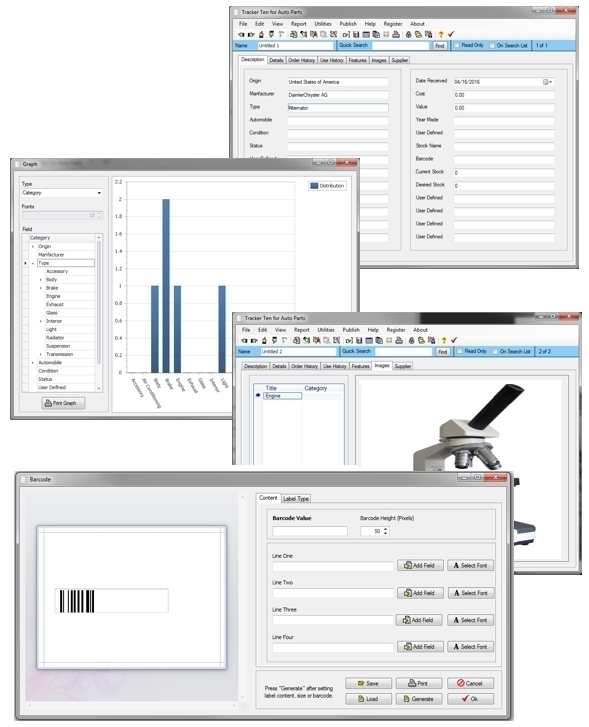
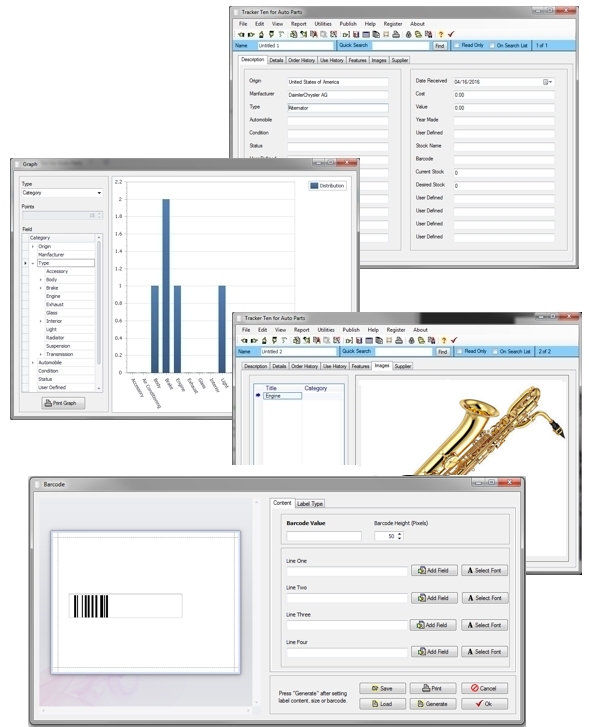
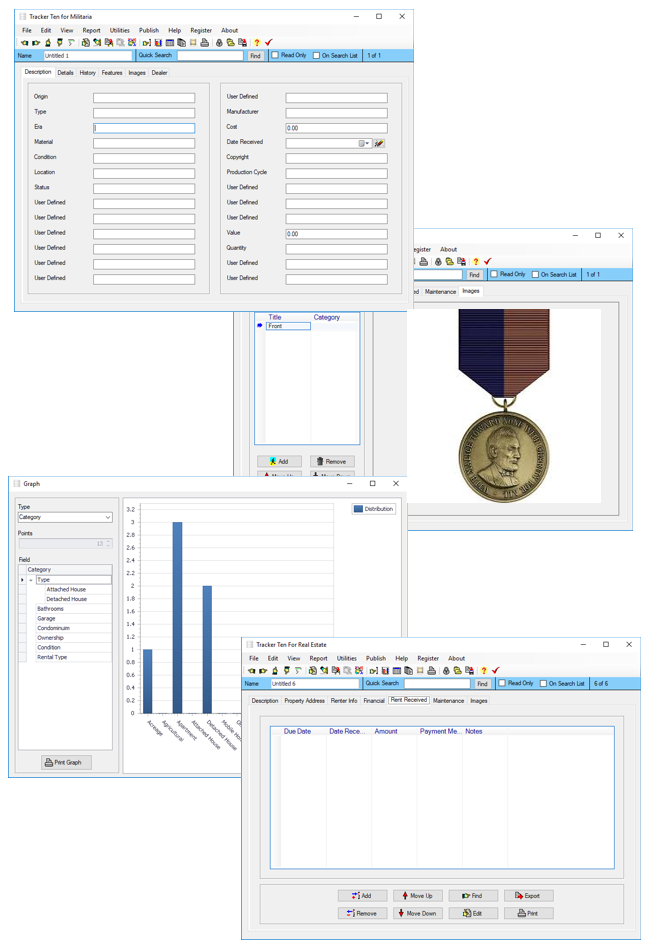
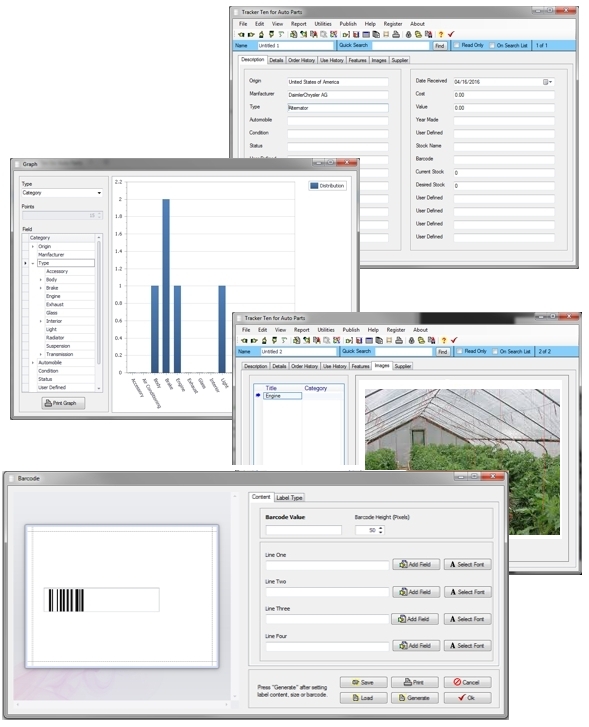
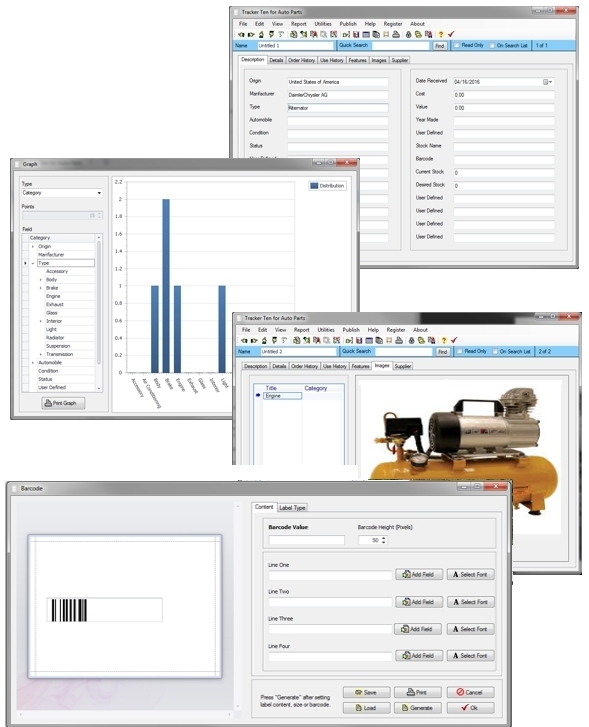
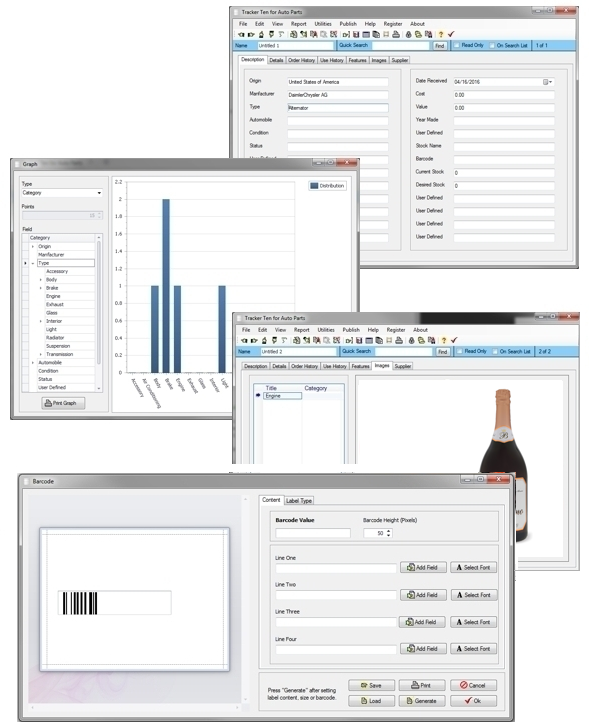
For smaller systems or desktop databases, archiving may be as simple as exporting selected records to a separate file and then deleting them from the main database. In the Tracker Ten system, for example, users can select records through the interface, save them to an archive file, and then remove them from the active database.
One important detail to keep in mind is how large objects such as images, documents, or media files are handled. Many databases store references to these files rather than the files themselves. When archiving, it is essential to ensure that associated files are also copied and stored, otherwise the archived data may be incomplete.
After creating archive files, compressing them can significantly reduce storage requirements. Compression is especially effective for text-based data and can make long-term storage more economical.
Storing Archived Data
Once data has been archived, it must be stored in a way that balances accessibility, durability, and cost. There are many storage options available, each with its own advantages and limitations.
Local storage options include external hard drives, network-attached storage, and optical media. These options provide direct control but may require regular maintenance and monitoring to ensure data integrity over time.
Cloud-based storage services offer scalability, redundancy, and geographic distribution. Storing archived data in the cloud can reduce the risk of data loss due to local disasters and simplify long-term retention. However, ongoing storage costs and data access policies should be carefully evaluated.
When choosing storage media, consider the expected lifespan of the medium. Some storage technologies degrade over time, making periodic migration to new media necessary. Long-term archiving strategies should include plans for refreshing or relocating data as technology evolves.
Accessing Archived Data
At some point, you may need to access data that has been archived. This could be for audits, legal inquiries, historical analysis, or business planning. Properly archived data should be retrievable without excessive effort.
The typical process involves locating the appropriate archive file, decompressing and decrypting it if necessary, and importing it into a database or analysis tool. This is why clear naming conventions and documentation are so important.
In some cases, organizations maintain a separate archive database that can be queried independently of the primary system. This approach allows access to historical data without impacting production performance.
Testing the archive retrieval process periodically is a good practice. Doing so ensures that archived data remains accessible and that recovery procedures are understood before an urgent need arises.
Data Retention Regulations
Data archiving is often influenced by legal and regulatory requirements. Many industries are subject to data retention laws that specify how long certain types of data must be kept.
For example, financial institutions may be required to retain transaction records for several years, while healthcare organizations must comply with regulations governing patient data retention. Scientific research, including clinical trials, often has strict requirements for preserving data integrity and availability.
Before archiving or deleting any data, it is essential to understand the regulations that apply to your industry and jurisdiction. Failure to comply with data retention requirements can result in legal penalties, fines, or reputational damage.
Archiving can help meet retention requirements by preserving data in a secure and organized manner while removing it from active systems. However, retention policies should be clearly documented and enforced consistently.
Conclusion
Data archiving is a powerful tool for managing database growth, improving performance, and ensuring long-term data accessibility. By thoughtfully identifying data that is no longer needed for daily operations and moving it to appropriate storage, you can extend the life of your systems and reduce operational complexity.
Effective archiving requires planning, documentation, and an understanding of both technical and business requirements. When done correctly, it provides a balance between performance optimization and data preservation.
Whether you are managing a large enterprise database or a small personal system, developing a clear data archiving strategy will help you stay organized, compliant, and efficient as your data continues to grow.
Looking for windows database software? Try Tracker Ten
- PREVIOUS Managing Musical Instruments For Your School, Band or Store Sunday, August 11, 2024
- NextStamp Collecting Database Software Thursday, July 25, 2024