Database
Classifying Sensitive Data in Your Database

Data classification is a crucial step in database design and management. It involves identifying and categorizing the types of data stored in a system according to their sensitivity, confidentiality, and regulatory requirements. Proper data classification helps organizations prioritize security measures, stay compliant with regulations, and protect valuable information from unauthorized access. By understanding the sensitivity of your data, you reduce the risk of exposing confidential information to competitors, malicious actors, or even internal personnel with improper access.
Today, organizations operate in a globally connected environment. Employees, contractors, and partners may access your database remotely from anywhere in the world, making it even more critical to classify and protect sensitive information effectively. Data classification ensures that information is stored, transmitted, and processed in ways that align with organizational security policies and legal obligations.
Data classification also plays a role in regulatory compliance. Laws and standards such as SOX (Sarbanes-Oxley), HIPAA (Health Insurance Portability and Accountability Act), GDPR (General Data Protection Regulation), CCPA (California Consumer Privacy Act), and PCI DSS (Payment Card Industry Data Security Standard) require organizations to understand and protect certain types of data. Failing to comply with these regulations can result in significant fines, reputational damage, and even criminal liability.
Furthermore, sensitive data can exist in many formats beyond traditional databases. Documents, photographs, video recordings, audio files, and emails may all contain information that needs protection. Even seemingly innocuous data such as survey responses or employee resumes can contain confidential details that, if disclosed, could harm individuals or the organization. Therefore, data classification should encompass all forms of information stored, shared, or transmitted by your organization.
Examples of Sensitive Data
When managing a database, certain types of data demand heightened security and careful handling. Examples of sensitive data include:
- Personal data revealing a person’s race, sexual orientation, criminal record, philosophical beliefs, or religion.
- Biometric data used to identify individuals, such as fingerprints, facial recognition, or iris scans.
- Membership information for organizations such as trade unions, political parties, or professional associations.
- Health-related data, genetic profiles, or medical histories.
- Trade secrets, product formulas, designs, or proprietary information.
- Financial information, including credit card numbers, bank account details, investment portfolios, tax records, and income history.
- Business-sensitive data, such as sales figures, inventory levels, or pricing strategies.
- Addresses and personal contact information.
- Birthdates, citizenship, social security numbers, driver’s license numbers, and other identifying information.
- Photographs, videos, and other media that reveal personal identities.
- Customer or member purchase histories and contact details.
- Educational records, including student grades, schedules, courses, and identification numbers.
- Employee compensation details and work schedules.
- Vehicle identification numbers (VINs) and license plate information.
- User IP addresses or geolocation data.
This list is not exhaustive. Whenever you have a suspicion that data may be sensitive, it should be treated with caution. In many cases, obtaining explicit consent from users or customers may be necessary before storing or processing their personal information. Treating all potentially sensitive data with care protects your organization from legal and reputational risk.
Regulatory Requirements for Data Classification
Understanding the regulatory landscape is a key part of data classification. Organizations must comply with both international and national regulations depending on the nature of the data and where it is collected or processed. Key standards and regulations include:
- HIPAA: Protects health records and personal health information in the United States.
- SOX: Ensures data integrity for financial transactions and public disclosures.
- PCI DSS: Establishes security standards for processing, storing, and transmitting credit card information.
- GDPR: European Union regulation governing personal data protection and privacy.
- ISO 27001: Provides a framework for information security management and data classification to prevent unauthorized disclosure or modification.
- NIST SP 800-53: Federal agency standards for classification and security controls for data.
Many U.S. states also have their own data privacy laws. For example, California’s Consumer Privacy Protection Act (CCPA) and Nevada’s digital privacy regulations impose specific requirements for the protection of personal data. Organizations outside these jurisdictions may still be affected if they collect data from residents of these states. Staying informed of relevant regulations is crucial for compliance and to avoid penalties.
Data Security Classification Levels
Data can be classified according to security levels that define who may access or modify the information. Common classification levels include:
- Restricted: Access limited to a select group of individuals with explicit permission.
- Confidential: Available only to personnel with appropriate security clearance.
- Internal: Information meant for use within the organization, not for public release.
- Public: Information that can be freely shared, either because it is already public or explicitly intended for release.
A best practice is to classify information as public only if it is already widely accessible or routinely shared. All other data should be treated as internal, confidential, or restricted, depending on its sensitivity. Financial information, personally identifiable information (PII), and trade secrets require special attention due to the potential impact of unauthorized disclosure.
Data Reclassification
Data classification is not a one-time activity. As laws change, business partnerships evolve, or organizational needs shift, you may need to reclassify previously stored information. Periodic review ensures that sensitive data remains appropriately protected and that new risks are addressed. For example, a dataset previously considered internal may need to be upgraded to confidential if new regulatory requirements apply.
Practices to Ensure Confidentiality of Information
Organizations can implement a variety of practices to protect sensitive data. Common techniques include:
- Encrypting data at rest and in transit.
- Implementing strong password policies and multi-factor authentication.
- Limiting unnecessary duplication of sensitive data.
- Using air-gapped systems or offline storage for highly sensitive information.
- Implementing tokenization to replace sensitive information with secure placeholders.
- Using biometric verification such as fingerprint or facial scans.
- Restricting data access by time, location, and user role.
- Maintaining detailed access logs and audit trails for accountability.
Data Integrity Best Practices for Your Database
Data integrity ensures that information remains accurate, consistent, and trustworthy throughout its lifecycle. Best practices include:
- Controlling user access through roles and permissions to prevent unauthorized modifications.
- Maintaining regular backups and versioning to safeguard against accidental or malicious changes.
- Implementing checksums and validation mechanisms to detect and prevent data corruption.
- Tracking all data changes with audit trails to identify who modified data and why.
- Testing and validating data migrations, imports, and updates to avoid inconsistencies.
Tracker Ten and Data Classification
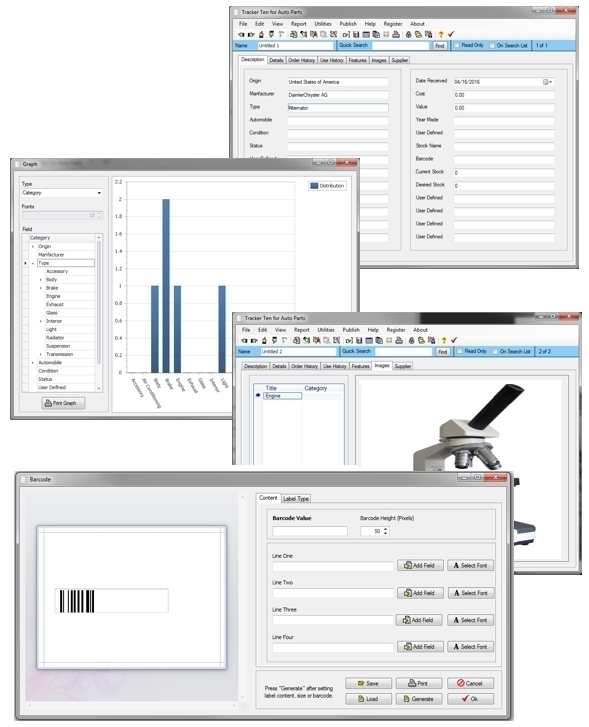
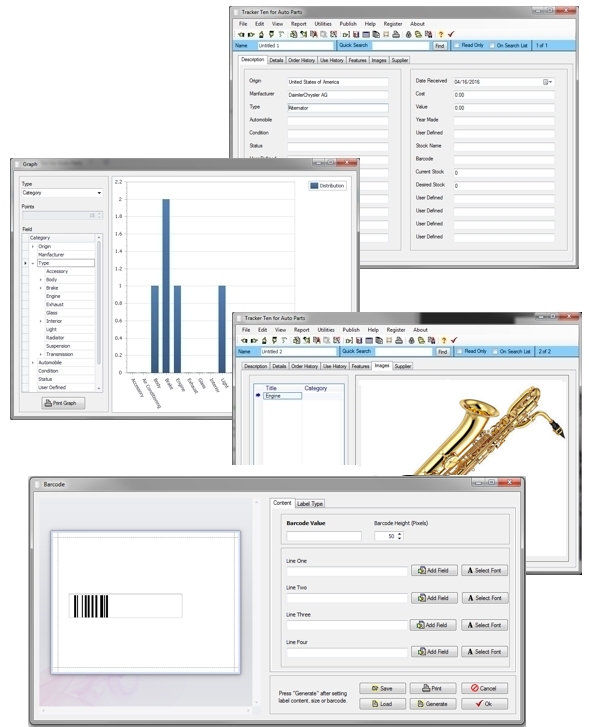
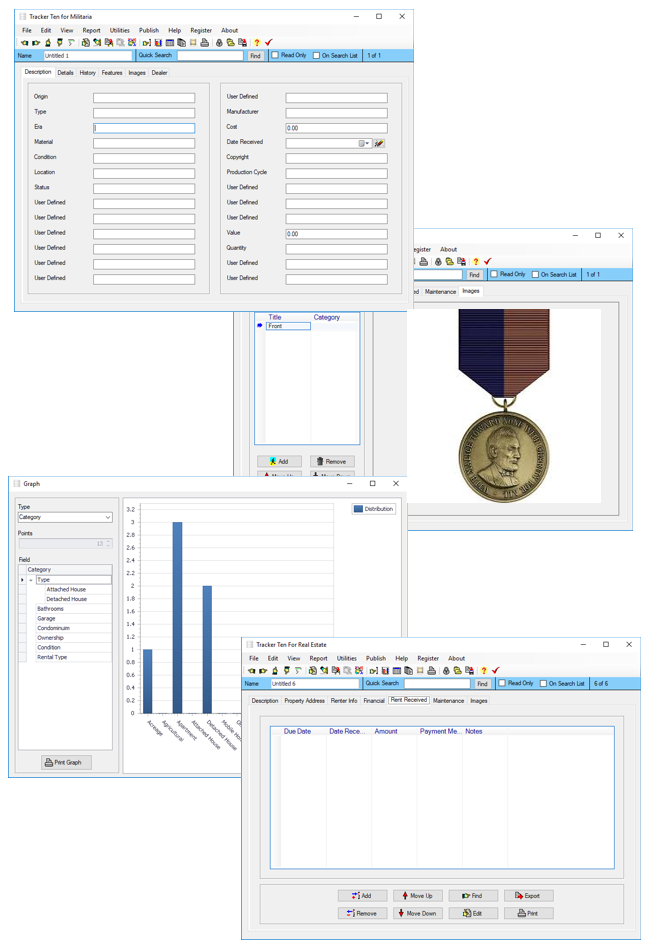
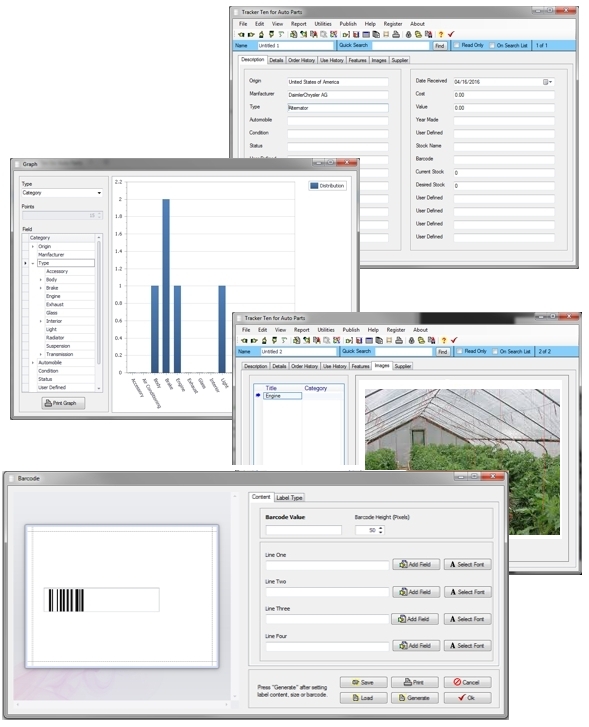
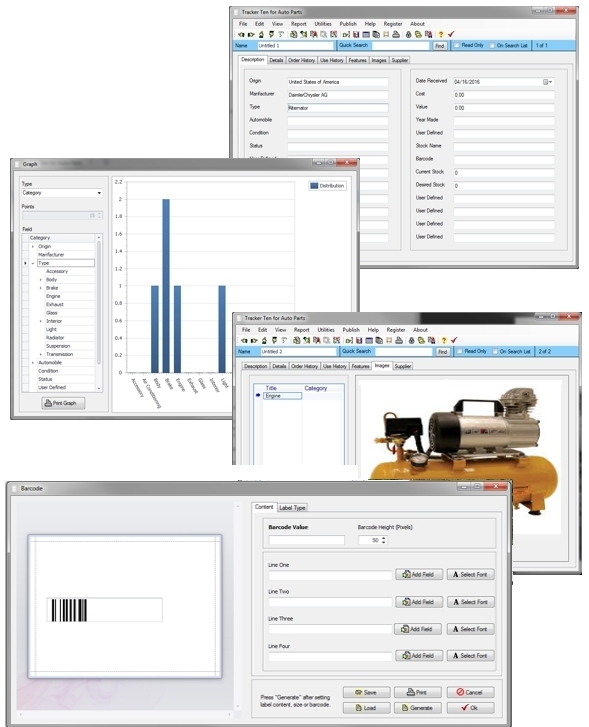
Our Tracker Ten database software provides tools to support secure data management. Key features include:
- Password protection to restrict access to sensitive information.
- Local storage of data on your computer for full control over sensitive information.
- Encryption support and optional multi-factor authentication for added security.
- Audit trails to monitor and track data modifications.
- Customizable permissions to define user roles and access levels.
If your organization handles sensitive information that should not be exposed online, Tracker Ten provides a reliable solution to store and manage your data securely. By combining robust data classification, secure storage, and best practices, you can minimize risk and maintain compliance with regulatory requirements.
Conclusion
Classifying sensitive data in your database is a foundational step in safeguarding organizational and personal information. By understanding the types of data you store, implementing proper classification levels, and following best practices for confidentiality, integrity, and regulatory compliance, you can protect your organization from legal, financial, and reputational risks. Effective data classification, combined with tools like Tracker Ten, empowers organizations to manage sensitive information responsibly while supporting business operations and growth.
Looking for windows database software? Try Tracker Ten
- PREVIOUS Collecting War Medals Wednesday, September 20, 2023
- NextSorting Data Wednesday, September 6, 2023