Software
Computer Hardware and Software Tracking Database Software
Tracker Ten for Computers is a comprehensive database-driven solution designed to bring order, visibility, and control to the complex task of tracking computer equipment, hardware, and software. In modern organizations, computers and related technology assets represent a significant financial investment and an operational dependency. From desktop systems and laptops to peripherals, servers, and licensed software, maintaining accurate records is essential for budgeting, security, compliance, and day-to-day efficiency. Tracker Ten for Computers provides a centralized system that allows individuals, small businesses, schools, and larger organizations to manage these assets in a structured, scalable, and highly customizable way.
At its core, the program functions as a full-featured inventory database tailored specifically for computer-related assets. Unlike generic spreadsheets or basic inventory lists, Tracker Ten for Computers is built to handle the unique attributes of technology equipment. Each item in the database can represent a physical device, a piece of software, or an accessory, with fields that capture detailed information such as manufacturer, category, condition, location, cost, value, and stock status. This depth of information makes it possible to answer important questions quickly, such as what equipment is currently deployed, where it is located, who supplied it, and how much it is worth today.
One of the key strengths of Tracker Ten for Computers is its ability to track a wide range of equipment types within a single system. CPUs, laptops, monitors, printers, scanners, cameras, networking devices, and other peripherals can all be recorded in the same database. Each item can be categorized and labeled in a way that makes sense for the organization using it. For example, a business might separate equipment by department, while a school might organize items by classroom or lab. Because the software supports up to 7,500 items per database file and allows unlimited database files, it can scale from a home office setup to a large institutional environment without becoming unwieldy.
Hardware tracking becomes significantly more powerful when it is combined with software and accessory management, and Tracker Ten for Computers excels in this area. For each hardware item, users can maintain a list of installed software, complete with installation dates and version numbers. This is particularly valuable for IT departments that need to manage software licenses, ensure version consistency, or prepare for audits. By linking software records directly to the hardware on which they are installed, the program creates a clear picture of how digital assets are deployed across the organization. This linkage helps prevent issues such as over-installation, underutilized licenses, or outdated software remaining in use.
The ability to link related database items extends beyond software installations. Accessories such as keyboards, mice, external drives, docking stations, and cables can be associated with specific computers. This relationship tracking is useful when equipment is moved, repaired, or retired. Knowing which accessories belong to which system reduces losses and makes it easier to reassign or replace items when necessary. Over time, these relationships form a complete asset history that is far more informative than a simple list of serial numbers.
Tracker Ten for Computers is also well suited for financial tracking and accountability. Fields for cost, value, supplier, order history, and date received allow users to maintain accurate accounting and insurance records. Organizations can document how much each item cost at the time of purchase, track its depreciated or current value, and record where it was sourced. This information is critical during audits, insurance claims, or budget planning exercises. If equipment is lost, damaged, or stolen, having detailed records readily available can significantly simplify the claims process and improve the likelihood of fair reimbursement.
Maintenance history is another area where the software proves its value. Computers and peripherals require ongoing care, updates, and occasional repairs. Tracker Ten for Computers allows users to record notes and maintenance-related details for each item, creating a timeline of service events. This history can include repairs, upgrades, part replacements, or routine maintenance activities. By reviewing this data, organizations can identify recurring issues, evaluate the reliability of specific models or manufacturers, and make more informed purchasing decisions in the future.
Stock control features further enhance the program’s usefulness, especially for organizations that keep spare equipment or consumable accessories on hand. Fields such as minimum desired quantity and current quantity make it possible to monitor inventory levels and avoid shortages. For example, an IT department can ensure that it always has a certain number of replacement keyboards or network cables available. When quantities fall below the desired threshold, staff can take action before shortages disrupt operations. This proactive approach reduces downtime and improves overall efficiency.
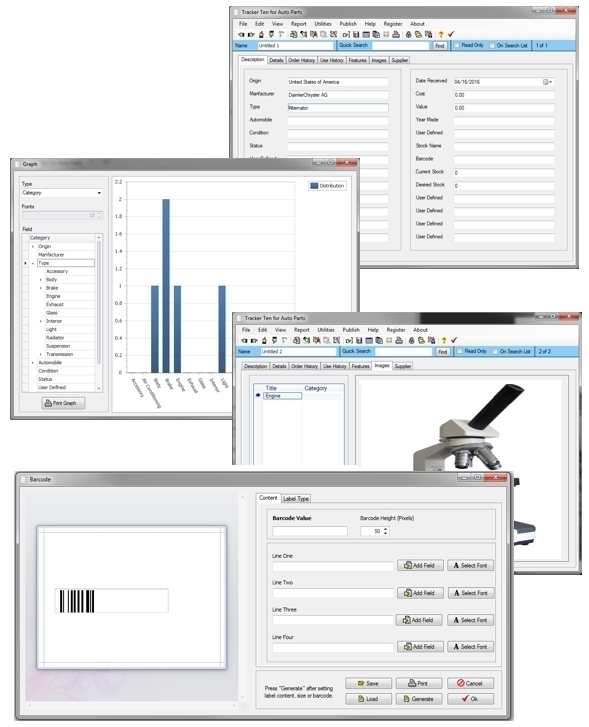
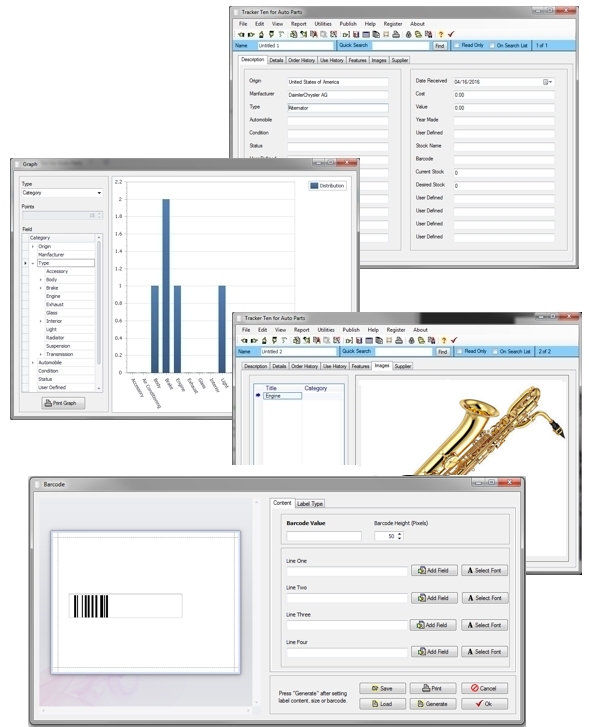
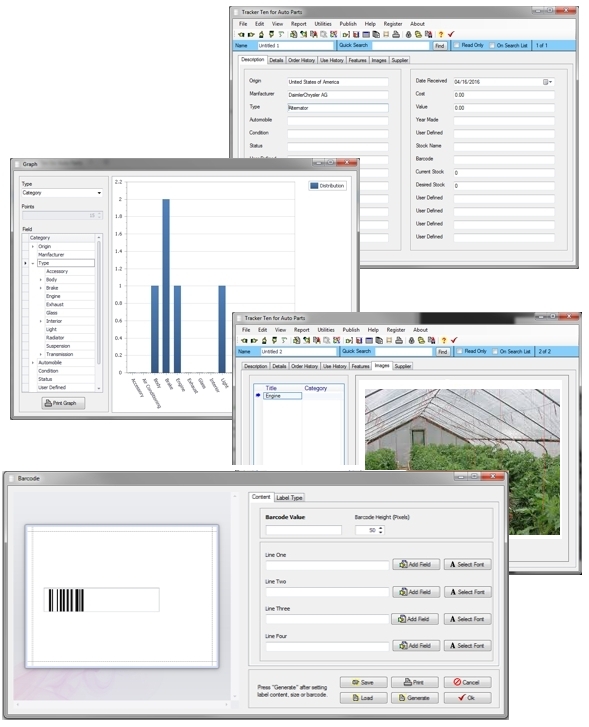
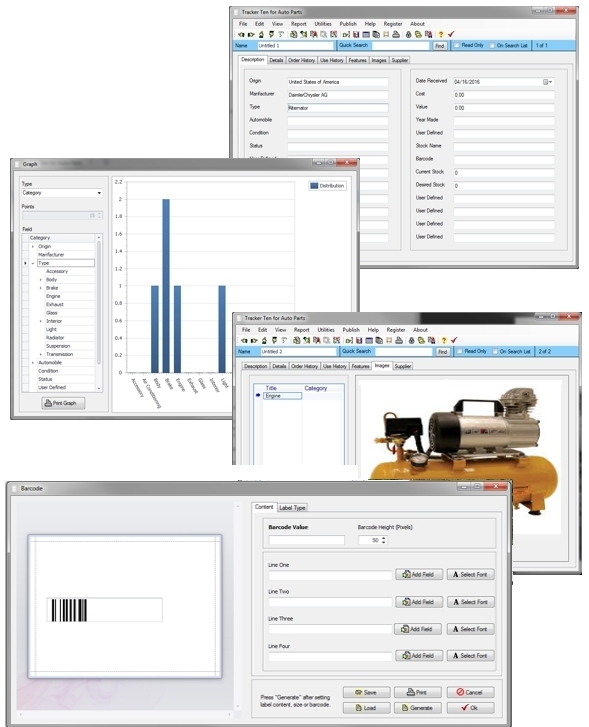
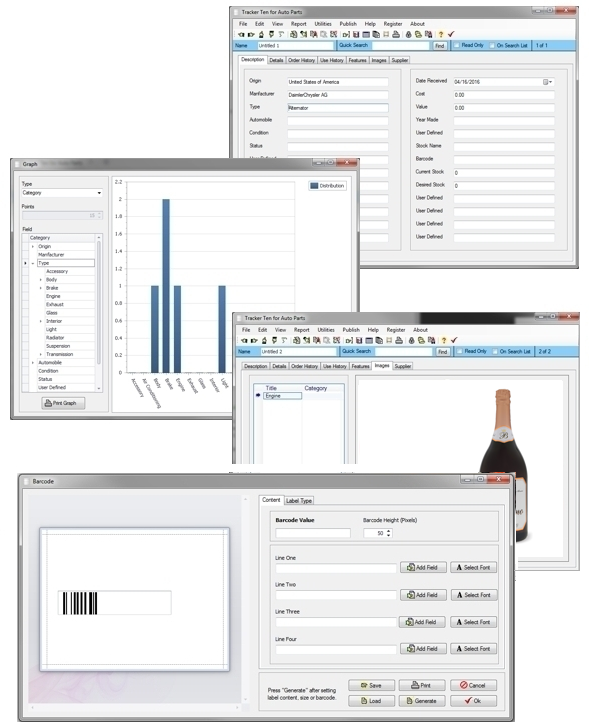
The inclusion of barcode support adds another layer of practicality to the system. Tracker Ten for Computers supports most barcode readers and can automatically generate barcodes for inventory items. Barcodes can be attached to equipment, making it easy to identify and manage assets with a quick scan. Using a barcode reader, staff can add or remove items from inventory efficiently, reducing manual data entry errors and saving time. In environments where equipment is frequently moved, checked in and out, or reassigned, barcode-based workflows can dramatically improve accuracy and accountability.
Search and retrieval capabilities are critical in any large database, and Tracker Ten for Computers includes a powerful search engine designed to handle complex queries. Users can quickly locate items based on multiple criteria, such as category, location, manufacturer, or condition. This makes it easy to answer questions like which laptops are currently assigned to a specific office, which printers are due for replacement, or which software versions are installed across the organization. Fast, flexible search tools turn the database into an active management resource rather than a static record.
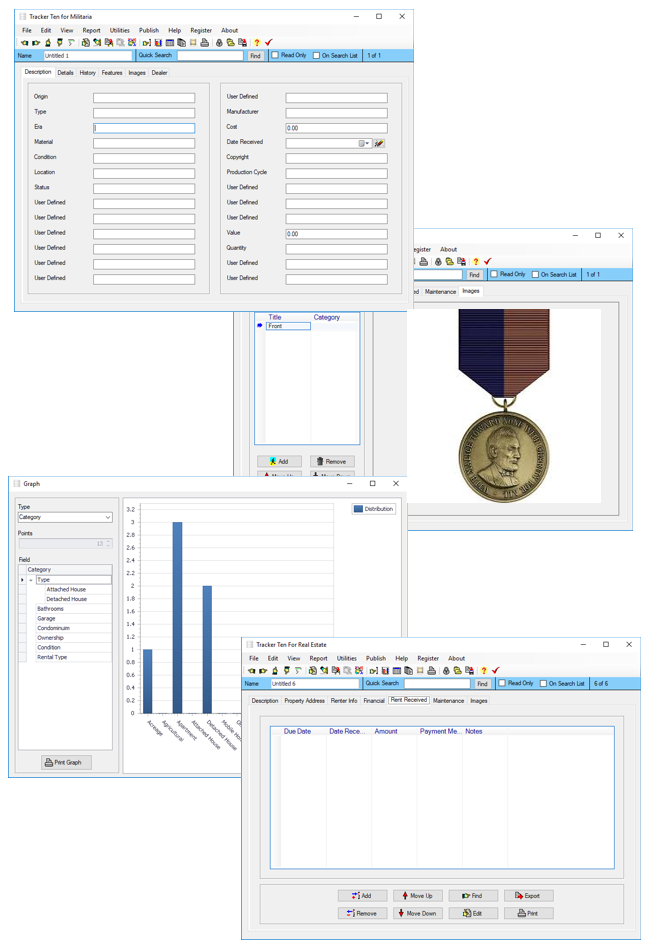
Reporting is another area where the software distinguishes itself. Tracker Ten for Computers supports advanced reporting options, including standard inventory reports, image reports, HTML reports, and custom report formats. These reports can be used internally for management reviews or externally for audits, insurance documentation, or compliance requirements. Graph generation adds a visual dimension to the data, making trends and patterns easier to understand. For example, graphs can illustrate how inventory levels change over time or how asset value is distributed across categories.
Data export functionality ensures that information stored in the system is not locked in. Users can export data for use in other applications, such as accounting software or spreadsheets, allowing Tracker Ten for Computers to integrate into existing workflows. This flexibility is especially important for organizations that need to share asset data with multiple departments or external partners.
Customization is a defining feature of the program. Every organization has unique requirements, and Tracker Ten for Computers is designed to adapt to those needs. Fields, categories, and layouts can be tailored to match specific workflows or reporting standards. Optional web publishing further extends the system’s reach by allowing selected inventory data to be shared online. This can be useful for organizations that need to provide visibility into assets across multiple locations or allow authorized users to view information remotely.
Over time, the true value of Tracker Ten for Computers emerges through consistency and completeness. By maintaining a single, centralized database of computer equipment, hardware, and software, organizations reduce the risk of lost assets, incomplete records, and costly surprises. The system encourages disciplined record keeping while providing tools that make the process efficient and practical. As technology environments grow more complex and asset management requirements become more demanding, having a dedicated solution like Tracker Ten for Computers can make the difference between reactive problem-solving and proactive, informed management.
In summary, Tracker Ten for Computers offers a robust and flexible approach to tracking computer-related assets in a wide range of settings. Its ability to manage hardware, software, accessories, financial details, maintenance history, and inventory levels within a single, customizable database makes it a powerful tool for anyone responsible for technology assets. By combining detailed data capture with barcode support, advanced reporting, and strong search capabilities, the software transforms asset tracking from a tedious administrative task into a strategic advantage.
Looking for windows database software? Try Tracker Ten
- PREVIOUS Managing Books in a Small Library Tuesday, May 2, 2023
- NextKeeping Track of Survival Supplies and Gear Saturday, April 8, 2023