Home
Keeping Track of Survival Supplies and Gear

In today’s unpredictable world, being prepared is no longer something reserved only for extreme survivalists or remote homesteaders. Supply chain shortages, natural disasters, pandemics, economic uncertainty, and global conflicts have all demonstrated how quickly access to everyday necessities can be disrupted. Preparation is about resilience, self-reliance, and peace of mind. One of the most effective and often overlooked aspects of preparedness is maintaining a detailed inventory of your survival supplies and gear.
Whether you live in an urban apartment with limited storage, a suburban home with a basement and garage, a rural homestead, a cabin in the woods, or a fully equipped survival bunker, supplies tend to accumulate over time. These items may include food, water, weapons, outdoor equipment, medical and first aid supplies, power equipment, fuel, clothing, and tools. Without a proper system in place, it becomes increasingly difficult to know what you own, where it is stored, and whether it is still usable.
Tracking your survival inventory is especially important because many essential items are perishable or degrade over time. Food expires, medications lose effectiveness, batteries corrode, fuel becomes unstable, and equipment can deteriorate if it is not maintained. If you are not actively monitoring these items, you may discover critical failures at the worst possible moment. An organized inventory allows you to identify expiring items, rotate stock, schedule maintenance, and replace supplies before they become a problem.
Modern inventory software makes this process far easier than traditional paper lists or spreadsheets. With a centralized digital system, you can record detailed information, attach images, generate reports, and access your data whenever you need it. The result is a survival setup that is not only well stocked, but also well managed. In the following sections, we will explore how to effectively track different categories of survival supplies and why each one matters.
Keeping Track of Food
Food is the foundation of any survival plan. Without adequate nutrition, physical strength, mental clarity, and morale quickly decline. For this reason, food storage is often the first area people focus on when preparing for emergencies. Long-term food supplies typically include staples such as rice, beans, lentils, pasta, flour, salt, sugar, and cooking oils, along with canned goods, freeze-dried meals, dehydrated vegetables, powdered milk, and emergency ration bars.
In addition to food itself, many people store related essentials such as cooking fuel, spices, condiments, water purification supplies, and basic kitchen tools. Toiletries like toilet paper, soap, toothpaste, feminine hygiene products, and cleaning supplies are also frequently grouped with food storage because they are daily necessities that can quickly become scarce during emergencies. Medications, vitamins, and first aid supplies are equally important, as health issues do not disappear simply because a crisis occurs.
As your food and consumables stockpile grows, keeping track of what you have becomes essential. You need to know not only the quantity of food, but also the variety. A survival food supply should support a balanced diet that provides sufficient calories, protein, fats, carbohydrates, and micronutrients. Without proper tracking, it is easy to end up with too much of one type of food and not enough of another.
Storage location is another critical factor. Food may be spread across pantries, basements, garages, storage bins, or even off-site locations. In a stressful situation, searching for supplies wastes valuable time and energy. An inventory system that records exactly where each item is stored allows you to retrieve what you need quickly and efficiently.
Expiration dates are perhaps the most important data point to track. Even foods marketed as long-term storage eventually expire or decline in quality. Canned goods may rust or swell, oils can go rancid, and vitamins lose potency over time. By recording expiration dates in a database, you can easily identify which items need to be consumed or replaced soon. This makes stock rotation simple and prevents unnecessary waste.
Food tracking should also include pets. Dogs, cats, and other animals depend entirely on their owners, and emergency planning should always account for their needs. Tracking pet food, medications, and supplies ensures that no family member is overlooked.
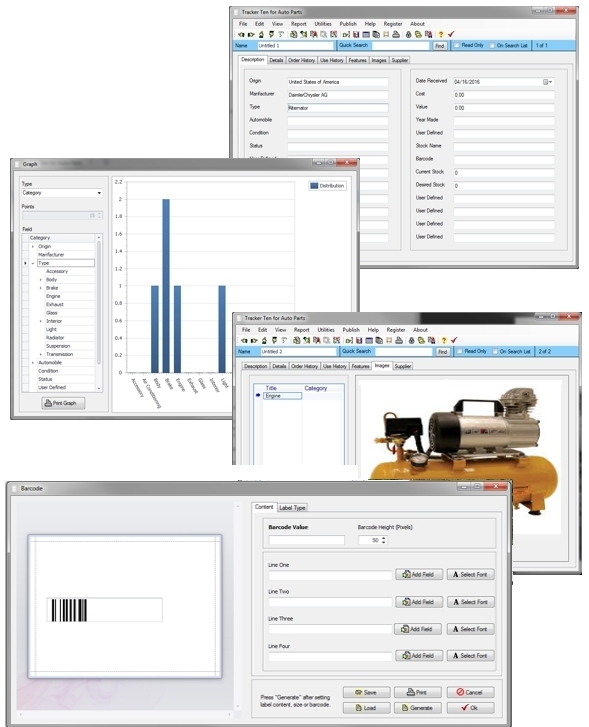
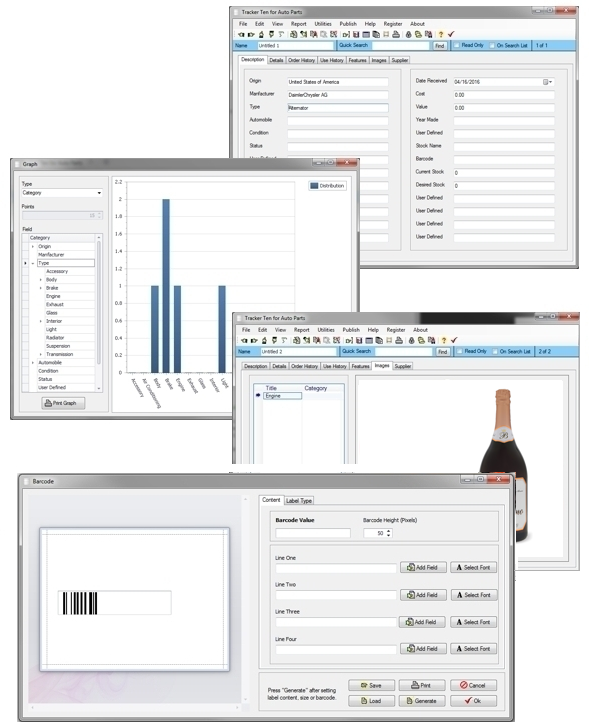
A dedicated system like Tracker Ten for Food makes this process straightforward. It allows you to record food type, portion size, quantity, expiration date, brand, calorie count, and more. You can generate reports that highlight low-stock items or upcoming expiration dates, helping you plan shopping trips, budgeting, meal rotation, or even food production projects such as gardening, dehydrating, or canning.
Keeping Track of Weapons
Weapons are a sensitive but important component of many survival plans. They may be used for self-defense, hunting, pest control, or protection from wildlife. Regardless of their intended use, weapons are valuable assets that require responsible ownership, secure storage, and accurate record keeping.
A comprehensive weapons inventory allows you to document exactly what you own. This may include firearms such as pistols, rifles, shotguns, and carbines, as well as non-firearm weapons like knives, machetes, axes, bows, crossbows, and spears. Ammunition, magazines, spare parts, and maintenance supplies are just as important as the weapons themselves and should be tracked alongside them.
Using Tracker Ten for Arms, you can maintain a detailed inventory that includes serial numbers, manufacturers, models, calibers, purchase dates, and warranty information. You can also attach multiple images to each record, which is extremely useful for identification, insurance documentation, and recovery in the event of theft.
Accessories and supporting gear are often overlooked but play a crucial role in readiness. Holsters, slings, optics, magazines, cleaning kits, safes, belts, vests, and protective equipment should all be included in your inventory. Less-lethal defensive tools such as bear spray, pepper spray, kubotans, tasers, tactical pens, and batons can also be tracked in the same system.
From a preparedness standpoint, a weapons inventory helps ensure functionality and readiness. You can quickly see how much ammunition you have, which weapons require maintenance, and whether key accessories are missing. From a security and legal standpoint, having detailed records provides critical documentation for insurance claims and reports to authorities if items are lost or stolen.
Ultimately, tracking weapons is about responsibility and awareness. Knowing exactly what you own and where it is stored allows you to make informed decisions about training, upgrades, and safe handling, while also ensuring compliance with applicable laws and regulations.
Keeping Track of Other Supplies
Beyond food and weapons, survival preparedness involves a wide range of additional supplies that support daily living and adaptability. These items are often what make the difference between simply surviving and remaining comfortable, mobile, and capable during extended disruptions.
Common supplies in this category include outdoor and camping equipment such as tents, tarps, sleeping bags, sleeping pads, backpacks, camp furniture, cookware, portable stoves, fuel canisters, water containers, filters, flashlights, lanterns, batteries, solar chargers, radios, compasses, maps, and repair kits. Clothing and footwear suitable for different climates and seasons are also critical components.
For families or groups, these items can multiply quickly. Multiple backpacks, sleeping systems, and clothing sets may be required, making it difficult to track quantities, sizes, and conditions without an inventory system. Knowing what you already have prevents unnecessary purchases and ensures that everyone is properly equipped.
Condition tracking is especially important for these supplies. Fabric items can develop mold or tears, batteries lose capacity, and electronics may fail without warning. Recording condition allows you to prioritize repairs, replacements, or upgrades before an emergency occurs.
Weight tracking can also be invaluable, particularly if mobility is part of your survival plan. Knowing the weight of individual items and complete kits allows you to assemble realistic evacuation or bug-out bags that can actually be carried over long distances.
These items can be efficiently managed using Tracker Ten for Sporting Goods. This software lets you track item details such as brand, type, condition, location, weight, and images. You can also maintain a list of items you still need, allowing you to build your inventory gradually and take advantage of surplus or clearance deals when they appear.
Keeping Track of Equipment
For those with larger preparedness setups, such as bunkers, farms, or homesteads, equipment tracking becomes critically important. Larger equipment items are often expensive, complex, and essential for long-term sustainability.
This category may include generators, solar panels, battery banks, inverters, wind turbines, water pumps, filtration systems, fuel storage tanks, tractors, ATVs, snowmobiles, chainsaws, and power tools. Appliances such as refrigerators, freezers, washing machines, and cooking equipment may also be part of an off-grid or backup power system.
Equipment requires ongoing maintenance to remain reliable. Generators must be tested regularly, oil and filters changed, and fuel stabilized. Solar systems require inspections, cleaning, and occasional component replacement. Mechanical equipment needs lubrication, servicing, and periodic use to prevent deterioration.
An inventory system that tracks maintenance schedules, inspections, warranties, and service history ensures that equipment is ready when needed. It also helps prevent costly failures caused by neglect or missed maintenance.
Age and lifespan tracking is another key benefit. Many components degrade over time even if they are rarely used. Batteries lose capacity, seals dry out, and electronics become obsolete. By recording purchase dates and expected lifespans, you can plan replacements proactively rather than reacting to failures during a crisis.
Tracker Ten for Equipment allows you to manage all of this information in one centralized system. You can track equipment types, conditions, warranties, inspections, and servicing records, giving you a clear overview of your most valuable survival assets.
Purchase Survival Inventory Software Bundle
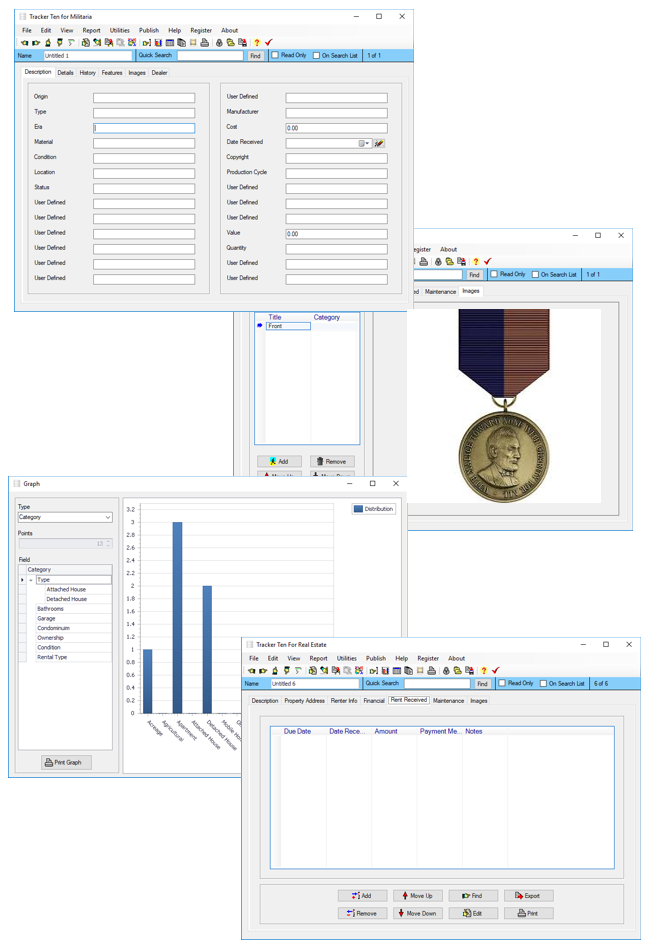
While it is possible to track survival supplies using notebooks or spreadsheets, these methods quickly become cumbersome as inventories grow. Dedicated survival inventory software offers a far more efficient and reliable solution. By using a suite of specialized tools designed for different categories of supplies, you can maintain a complete, accurate, and searchable record of everything you own.
A survival inventory software bundle brings all of these systems together. Food, weapons, outdoor gear, and equipment can each be tracked using tools optimized for their specific requirements, while still maintaining a consistent approach to organization and reporting. This modular approach allows you to start small and expand your tracking as your preparedness efforts grow.
The long-term benefits are significant. You reduce waste, save money, improve readiness, and gain confidence in your level of preparedness. In the event of a disaster, insurance claim, or relocation, your inventory provides invaluable documentation. Most importantly, it ensures that when you need your supplies the most, they are ready, accessible, and accounted for.
Preparation is not about fear—it is about responsibility. Keeping a detailed inventory of your survival supplies and gear transforms preparation from a collection of scattered items into a cohesive, reliable system. With the right tools and habits, you can face uncertainty with greater confidence and resilience.
Survival Inventory Software Bundle
Purchasing all of the above software individually is quite expensive. If you would like to purchase all of these programs, we do have a special survival software bundle available for $99.95 (download, CD $6.95 extra):
Looking for windows database software? Try Tracker Ten
- PREVIOUS Computer Hardware and Software Tracking Database Software Thursday, April 27, 2023
- NextClub and Community People Tracking Database Software Friday, April 7, 2023