Hobbies
Creating a Hobby Database

Creating a hobby database is a rewarding and practical way to organize, track, and analyze information about hobbies. Whether you are a hobbyist, researcher, or content creator, a hobby database allows you to collect valuable insights, identify trends, and share information with others.
Identify Key Components: When creating a hobby database, consider including key information such as the hobby name, type, difficulty level, equipment needed, estimated cost, time commitment, social interaction level, and potential health or environmental impacts. Including these attributes will allow you to analyze hobbies from multiple perspectives and better compare them.
Data Types: Each field in your database should have an appropriate data type. For instance, use text fields for names and descriptions, numeric fields for cost and time estimates, dropdown menus for hobby categories, and Boolean fields for yes/no options like outdoor/indoor. Choosing the right data type ensures consistency and supports accurate querying and analysis.
Collecting Data: You can gather hobby data from online sources, books, or surveys. For large-scale data collection, consider writing web scrapers in Python or JavaScript using libraries such as BeautifulSoup, Scrapy, or Puppeteer. Automation can help you efficiently gather data from multiple websites or online communities.
Data Visualization: Once data is collected, visualization tools like charts, graphs, or maps can help identify patterns. For example, you can visualize which hobbies are most popular by region or demographic, or which hobbies require the most time or money.
User Interface: A well-designed interface makes your hobby database accessible. You can build a web application using HTML, CSS, and JavaScript, or use database tools like Microsoft Access, Airtable, or Google Forms for a simpler setup. An intuitive interface allows users to search, filter, and update hobby information easily.
User Reviews and Ratings: Collecting feedback from users can enhance your database. Allow users to leave reviews or rate hobbies using a star system or written comments. This adds valuable insights into the experiences of people engaging with different hobbies.
Overall, creating a hobby database is an enjoyable and educational project. It allows you to explore your hobbies in-depth, organize information efficiently, and develop new skills in database management, data collection, and analysis.
Designing a Hobby Database
Designing a hobby database involves careful planning to ensure that it is efficient, scalable, and useful. Follow these steps to design an effective database:
Purpose and Scope: Determine whether your database is for personal use, research, or public access. Define which types of hobbies to include and the geographic or demographic scope.
Key Components: Include attributes such as name, type, difficulty, cost, time commitment, required equipment, safety considerations, and description. This provides a comprehensive dataset for analysis.
DBMS Selection: Choose a database management system like MySQL, PostgreSQL, SQLite, or Microsoft Access. Consider factors like scalability, ease of use, and compatibility with your hardware and software.
Table Structure: Organize your data into tables with clear relationships. You might create tables for hobbies, equipment, users, reviews, and regions. Proper structure improves data integrity and retrieval efficiency.
Populating the Database: Enter data manually or use automated collection methods. Ensure consistency in data entry and validate the information for accuracy.
Data Analysis: Use your database to identify trends, patterns, and correlations. For example, determine which hobbies are most popular among certain age groups or regions, or which hobbies are cost-effective and time-efficient.
User Interface Development: Build an interface for users to browse, search, and filter hobbies. Features can include drop-down filters, search bars, interactive charts, and maps.
Testing: Test your database thoroughly. Enter sample data, run queries, and check user interfaces to ensure accuracy and usability.
Maintenance: Regularly update the database with new hobbies, reviews, and user feedback. Correct any errors and optimize database performance periodically.
Normalization: Organize your data to reduce redundancy and avoid inconsistencies. Normalize tables by separating related data into different tables and establishing relationships through primary and foreign keys.
Data Validation: Implement rules to ensure accurate data entry. For example, enforce numeric constraints for cost, time, or ratings, and use dropdowns or checkboxes for categorical data.
Relationships: Establish relationships between tables for efficient querying. For instance, link hobbies to equipment tables, user reviews, or regional popularity statistics.
Security: Protect sensitive data through access control, encryption, and password protection. This is especially important if collecting user information or hosting online.
Scalability: Plan for future growth. Use indexing, query optimization, and possibly distributed architectures if the database is expected to grow significantly.
By carefully considering these design elements, your hobby database can provide long-term utility, scalability, and accurate insights.
Why Use a Hobby Database
Organization: Structure hobby information logically to quickly search and compare hobbies based on type, difficulty, cost, and other criteria.
Exploration: Discover new hobbies through browsing or filtering the database. This can expand your personal interests or support hobby research projects.
Planning: Use the database to estimate costs, time commitment, and required equipment for new hobbies. This helps with informed decisions and hobby budgeting.
Research: Researchers can analyze trends in hobbies, such as demographic preferences, seasonal patterns, and cultural significance, providing valuable insights for social science or market research.
Sharing: Share your database online to inform hobbyists or the general public. You can create blog posts, guides, or social media content using structured hobby information.
A hobby database is therefore an essential tool for organization, discovery, research, and sharing. It transforms scattered hobby information into a structured, accessible, and insightful resource.
Hobby Database Design Principles
Effective hobby database design requires adherence to key principles:
Understand the Domain: Learn the different hobbies, equipment, and relevant attributes. Knowledge of the domain allows for comprehensive database design and accurate representation.
Logical Data Model: Create a graphical representation of the database structure including entities, attributes, and relationships. A clear model ensures clarity for database developers and users.
Normalization: Organize tables to reduce redundancy and prevent inconsistencies. Separate larger tables into smaller, more focused tables, linking them with primary and foreign keys.
Standard Naming Conventions: Use descriptive names for tables and columns. Singular nouns for table names and clear, self-explanatory column names improve readability and maintainability.
Constraints: Apply rules to validate input data, prevent duplicates, and enforce relationships. This ensures data integrity and accuracy across the database.
Scalability: Design the database to handle growth in data volume, users, and queries. Optimize performance with indexing, partitioning, or distributed database techniques.
Following these principles ensures a reliable, maintainable, and efficient hobby database capable of handling complex data over time.
Equipment Required for a Hobby Database
To create and maintain a hobby database, you will need the following equipment:
Computer: A desktop or laptop with sufficient processing power, memory, and storage to handle the DBMS and associated applications.
Database Management System (DBMS): Software to manage the database. Options include MySQL, PostgreSQL, SQLite, Oracle, or Microsoft SQL Server. Select based on your technical requirements and platform compatibility.
Storage: Adequate storage for the database, backups, and related files. Consider cloud storage or external hard drives for redundancy.
Backup and Recovery: Tools for regular backups and recovery plans. Protect against data loss from hardware failure, software bugs, or human error.
Internet Connection: Necessary if hosting the database online or allowing remote access.
Security Measures: Password protection, encryption, and access controls to safeguard data against unauthorized access or tampering.
Having the proper equipment ensures smooth operation, security, and longevity of your hobby database.
Getting Data for a Hobby Database
Online Research: Use search engines, hobby forums, blogs, social media groups, and e-commerce sites to collect data about hobbies, costs, and equipment requirements.
Surveys: Conduct surveys with online tools like Google Forms, Typeform, or SurveyMonkey to collect user-generated data about hobbies, preferences, and experiences.
Interviews: Speak with hobby experts, enthusiasts, and practitioners to obtain qualitative insights into hobby techniques, trends, and cultural significance.
User Input: Allow hobbyists to contribute information, reviews, and ratings to your database, creating a community-driven resource.
Public Data Sources: Use government statistics, census data, and industry reports to identify popularity, economic impact, and demographic trends related to hobbies.
Combining multiple data sources ensures a comprehensive and accurate hobby database.
Hobby Database Software
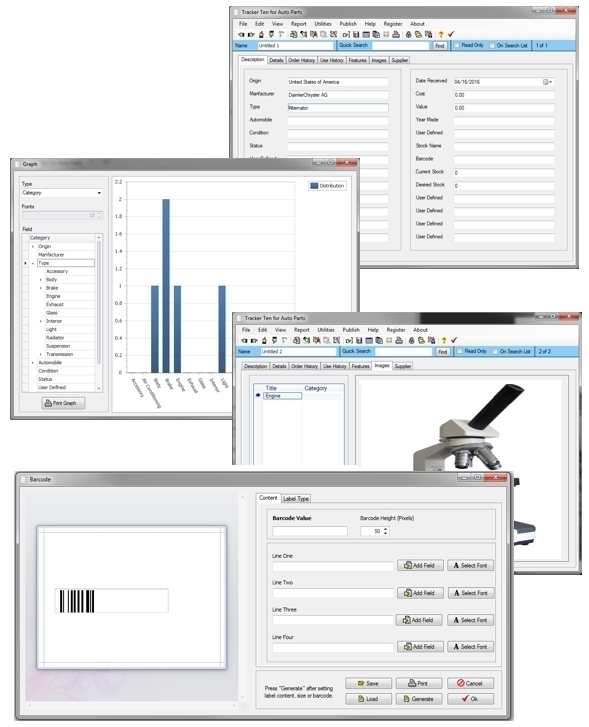
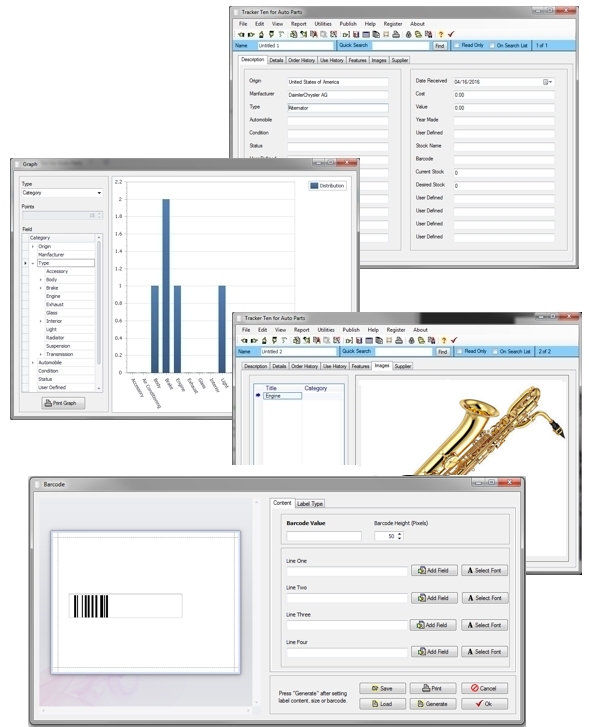
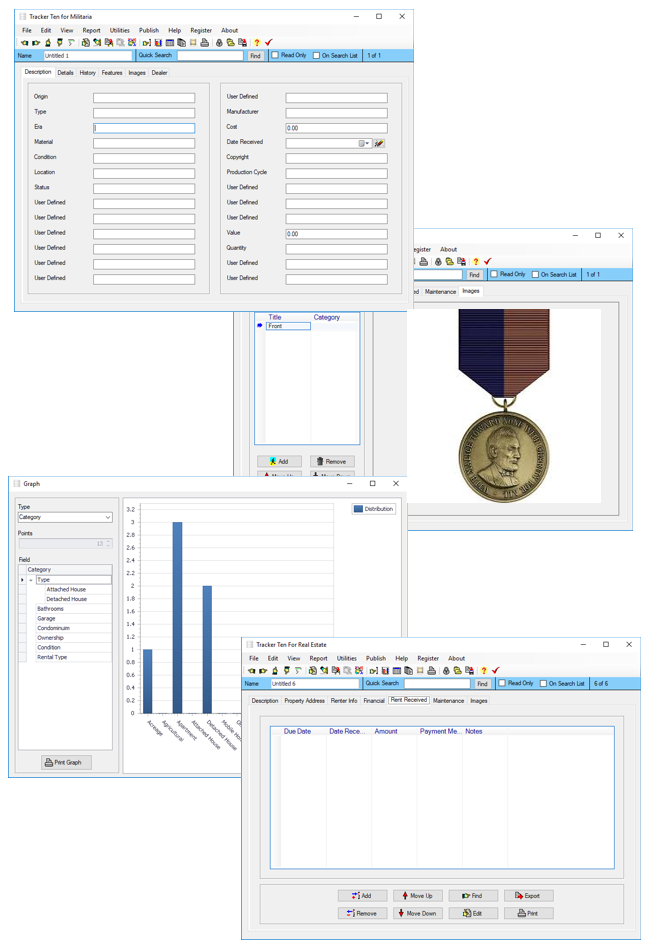
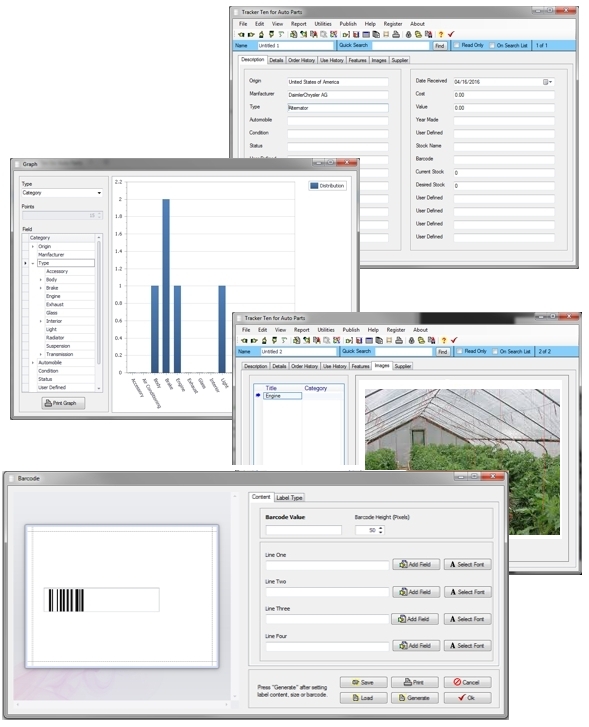
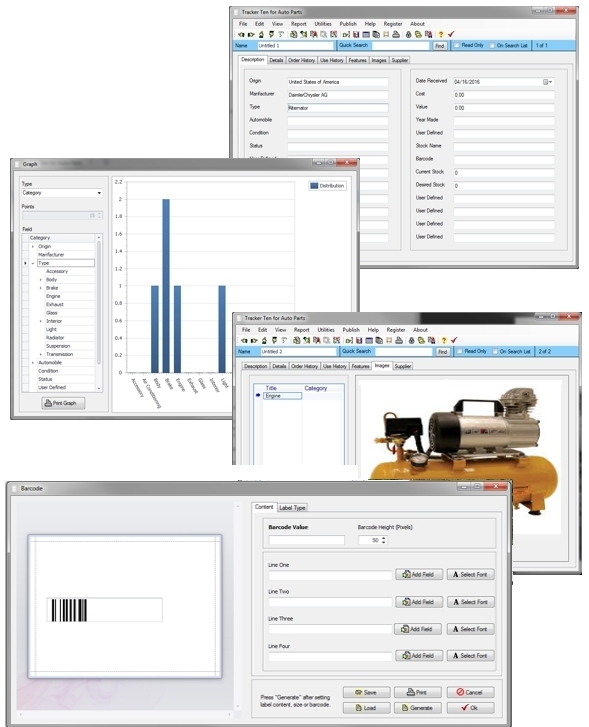
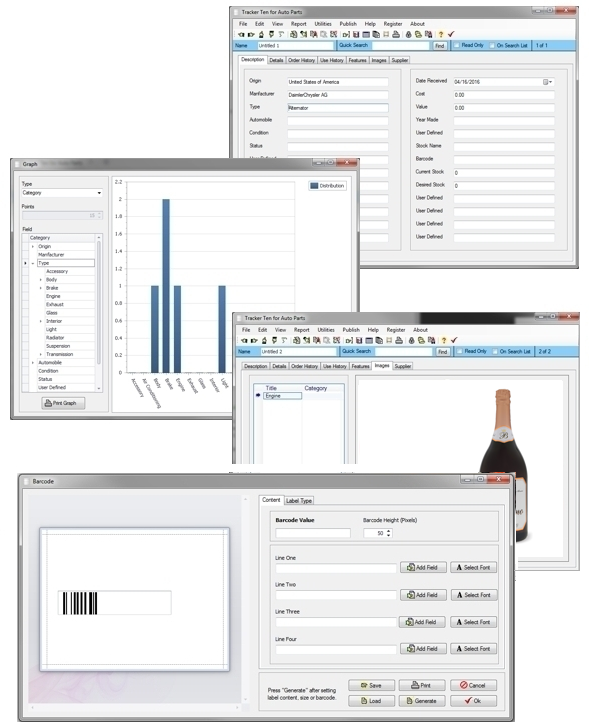
Several software options can help you build a hobby database efficiently. These include relational database software like MySQL, PostgreSQL, SQLite, and Microsoft Access, as well as cloud-based solutions like Airtable or Tracker Ten products. Choosing the right software depends on your technical skills, scale of the project, and desired functionality. For beginners, low-code solutions like Airtable or Google Sheets may suffice, while advanced users may prefer full DBMS software for complex queries, analytics, and user management.
Overall, creating a hobby database requires careful planning, data collection, design, and implementation. By following the principles, using proper equipment and software, and maintaining high-quality data, you can build a comprehensive, scalable, and valuable resource for hobbyists, researchers, and enthusiasts alike.
Looking for windows database software? Try Tracker Ten
- PREVIOUS Desktop Database Maintenance Thursday, May 25, 2023
- NextOrganizing Your Closet Saturday, May 13, 2023