Database
Database Automation Tips and Tricks

Automation is the process of using automatic, unattended procedures to manage repetitive tasks. Automation when applied to databases and data warehouses can improve reliability, reduce errors, increase uptime, speed, and save time and money. In fact, there are several tasks that traditionally required DBAs that are now being increasingly automated.
Database automation is often overlooked by individual developers and DevOps professionals. However, there is a growing trend in organizations to include database tasks in DevOps processes and infrastructure management. DevOps professionals apply a combination of tools and techniques to deliver information technology services reliably and efficiently. Since databases are often core services, they must not be overlooked in these processes.
The primary challenge with database automation is that data must persist, and database state must be preserved. You can’t simply erase a database and start over when making changes. Automated database operations must ensure all business data remains consistent and reliable. This can be especially difficult because database engines have different management mechanisms. A technique that works in one database environment may not work in another.
Benefits of Database Automation
Implementing database automation can have numerous benefits for both small businesses and large enterprises. Some of the key advantages include:
- Increased reliability: Automated scripts reduce human error during database maintenance tasks.
- Consistency: Regular tasks such as backups, migrations, and updates are performed in a standardized manner.
- Faster deployment: New features, updates, and schema changes can be applied automatically without manual intervention.
- Cost savings: Fewer human hours are required to manage repetitive tasks, lowering operational costs.
- Improved monitoring: Automation can trigger alerts for unusual behavior or errors, improving system responsiveness.
- Scalability: Automated processes help handle increased workloads as databases grow.
Database Tasks Ripe for Automation
Updating, changing, and deploying databases can be tedious, especially if your database is tightly coupled with your application or patched with emergency fixes. Automation is ideal for repetitive tasks, whether you’re using relational databases like SQL or document-based systems like MongoDB. Examples include:
- Health checks to ensure your database is accessible and operational.
- Server maintenance, such as reboots for software updates.
- Database maintenance, including scheduled backups, encryption, restores, index cleanups, and consistency checks.
- Storage defragmentation to improve performance.
- Database synchronization between QA, staging, and production environments.
- Database log cleanup and archival.
- Automatic documentation generation for audit and compliance purposes.
- Automated data entry from imports, web services, or APIs.
- Database consistency and integrity checks.
- Loading test data into sandbox or test environments.
- Regulatory compliance monitoring for mandates like HIPAA, PCI, and SOX.
- Creation and management of user accounts with corresponding role assignments.
- Database migration between servers or cloud environments.
- Machine learning training and automated model updates based on new data.
- Automated failover to replicas in case of downtime.
- Database growth monitoring for capacity planning and scaling.
Automating these tasks can offer substantial rewards with minimal risk. Machines are far more efficient at repetitive tasks and less prone to errors than humans.
Database Automation Tools
Many database systems already include automation features. For example, Oracle provides maintenance windows that can automate database cleanup, statistics gathering, and resource monitoring. Other tools include:
- Rundeck: For orchestrating database jobs and server scripts.
- Ansible: Configuration management and automated deployment.
- Redgate: Database change automation and continuous integration support.
- Liquibase: Database versioning and schema migration management.
- Delphix: Data virtualization and automated environment management.
- DBMaestro: DevOps-oriented database release automation.
- Jenkins: Integration into CI/CD pipelines for automated testing and deployment.
Custom scripts using programming languages such as Python, Java, Ruby, or C# can also handle automation for tasks such as backups, log analysis, and report generation.
Key principles to keep in mind for automation:
- Scripts that modify database structure (migrations) should be idempotent to prevent duplicate changes.
- All automation tools should support rollbacks to restore databases to previous states after errors.
- Version control for database structure changes ensures proper tracking and auditability.
- Cloud systems like AWS or Azure provide auto-scaling, resource monitoring, and automated backups.
Database Source Control
Automated source control and versioning for databases allow you to manage schema changes, SQL scripts, stored procedures, and functions in the same way as application code. Benefits include:
- Tracking database schema changes and rollbacks.
- Integrating database changes into continuous integration (CI) and continuous deployment (CD) pipelines.
- Enabling automated testing and verification of database changes.
- Collaborating among multiple developers without overwriting changes.
Tools such as SQL Source Control for SQL Server or IDE plug-ins in Visual Studio can integrate database source control into your workflow. PowerShell scripts and .NET libraries can further automate deployment and migrations.
What Not to Automate
While automation is highly beneficial, some tasks should remain human-driven. Tasks requiring judgment, intuition, or strategic decision-making—such as interpreting data trends, optimizing queries for complex business rules, or designing complex schemas—should be performed manually. Automation cannot replace human reasoning for these critical tasks.
Best Practices for Database Automation
Implementing database automation effectively requires adherence to best practices:
- Start Small: Begin with the most repetitive, low-risk tasks such as backups or log cleanup.
- Use Version Control: Track every change in schema and migration scripts.
- Test Automation Scripts: Validate scripts in a staging environment before production deployment.
- Monitor Automation: Ensure alerts are configured for failures and errors.
- Document Procedures: Maintain documentation for all automated tasks to assist future maintenance.
- Consider Security: Protect credentials, tokens, and access points used in automation scripts.
- Rollback Ready: Always implement rollback mechanisms for critical operations.
- Align with DevOps: Integrate database automation into broader CI/CD pipelines for seamless operations.
- Leverage Cloud Capabilities: Use cloud-native automation tools for backup, scaling, and failover.
Database Automation Table: Tasks, Tools, and Benefits
| Task | Automation Tools | Benefits |
|---|---|---|
| Database Backups | SQL scripts, PowerShell, AWS Backup, Azure Backup | Ensures data safety, reduces manual intervention, supports disaster recovery |
| Schema Migrations | Liquibase, Redgate, Visual Studio Plug-ins | Consistent database structure, prevents errors, version-controlled changes |
| Data Entry & Imports | Python scripts, ETL pipelines, Tracker Ten API | Faster imports, reduced human error, consistent data formatting |
| Monitoring & Alerts | Rundeck, Ansible, CloudWatch, Azure Monitor | Proactive issue detection, minimizes downtime, improved reliability |
| Failover Management | Cloud-native failover (AWS RDS, Azure SQL), custom scripts | High availability, uninterrupted service, automatic switching to replicas |
| Index & Optimization | Tracker Ten, DBMaestro, SQL scripts | Improved performance, automated tuning, reduced query latency |
| Compliance & Audit Logging | Custom scripts, cloud logging services, regulatory tools | Ensures compliance, automates reporting, reduces audit errors |
| Test Data Loading | Automated scripts, ETL tools, sandbox pipelines | Quick testing setup, consistent test environments, repeatable scenarios |
Case Study: Automating Backups and Failover
A healthcare organization with multiple database systems implemented automation to improve reliability and reduce downtime. Steps included:
- Scheduled automatic nightly backups for all production databases.
- Set up automatic failover to secondary servers in case of outages.
- Implemented alert notifications for backup failures or replication lag.
- Integrated scripts with source control and CI/CD pipelines for automated schema updates.
Outcome: The organization reduced manual effort by 70%, improved data availability, and ensured compliance with HIPAA regulations through reliable backup and failover automation.
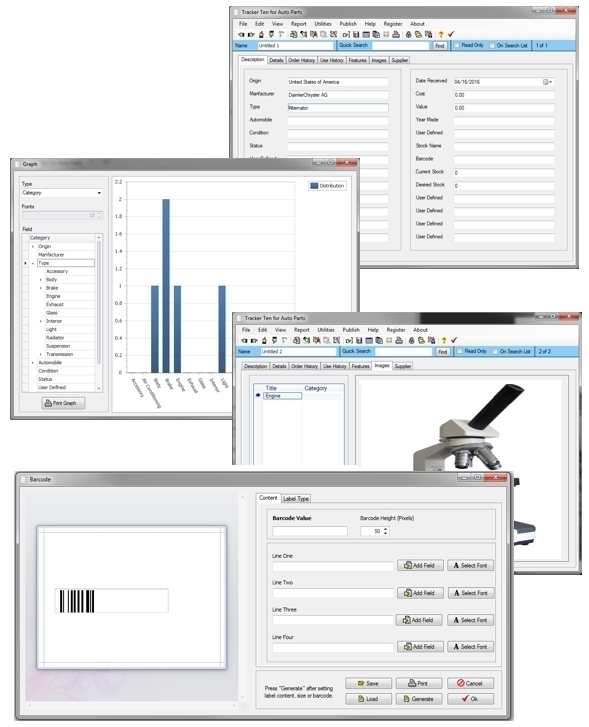
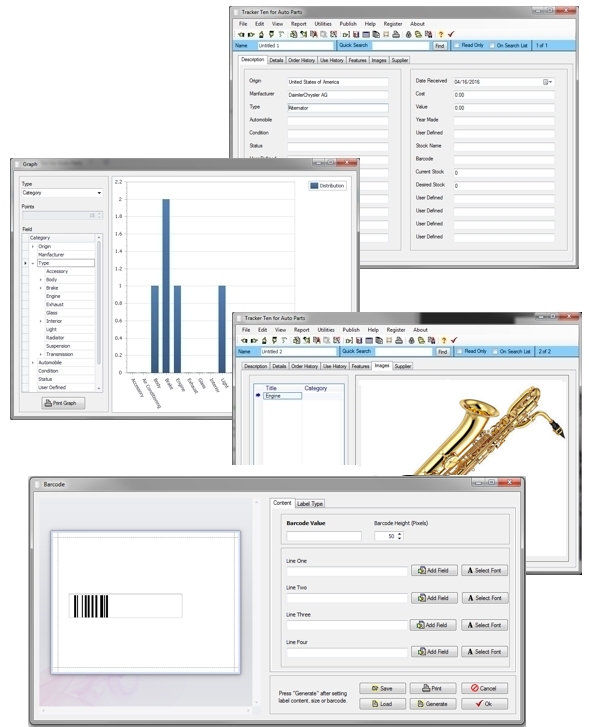
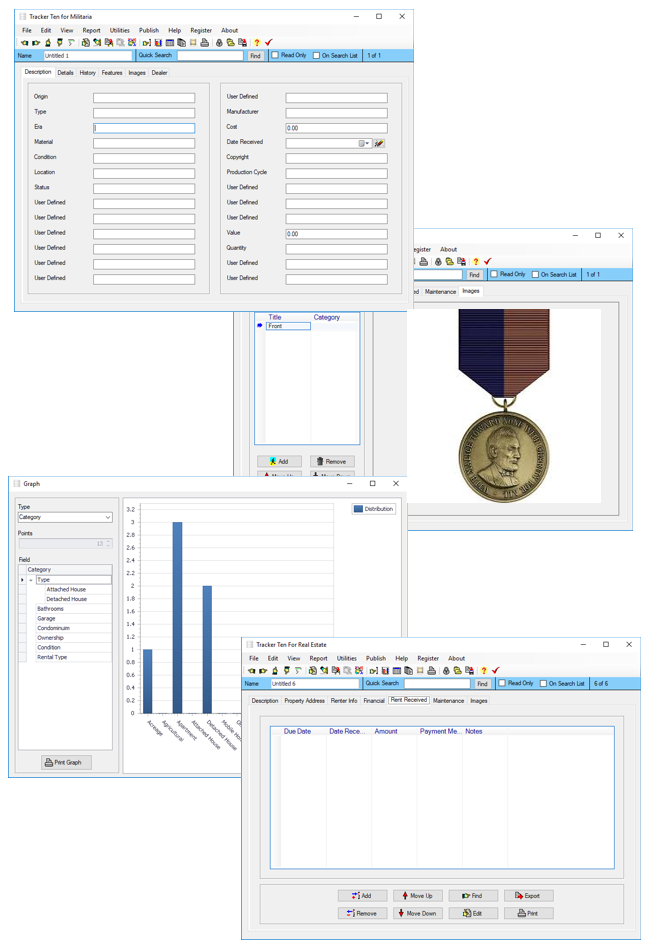
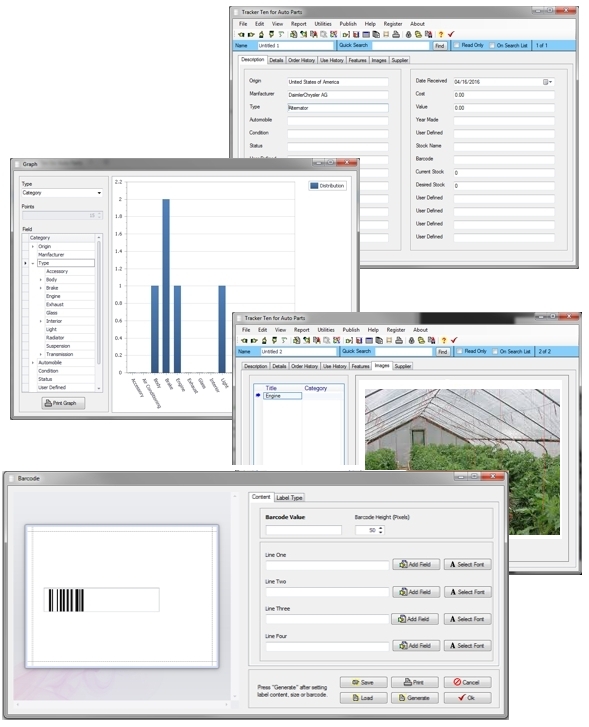
Tracker Ten Automation
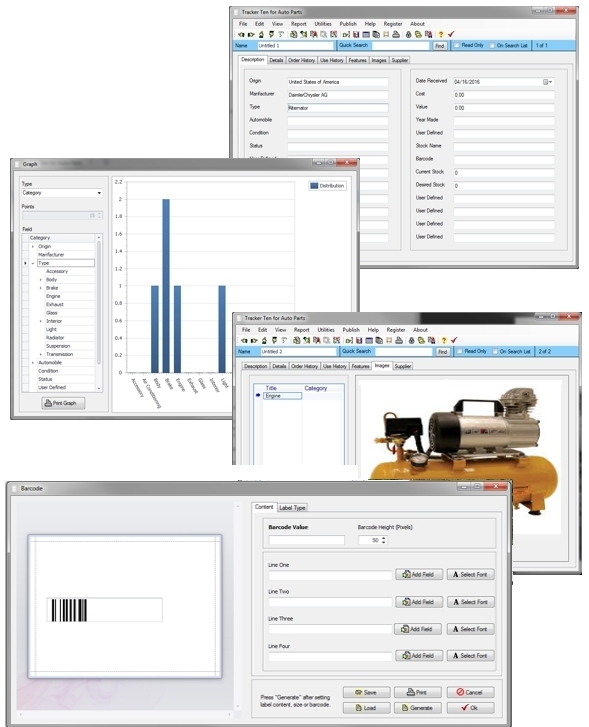
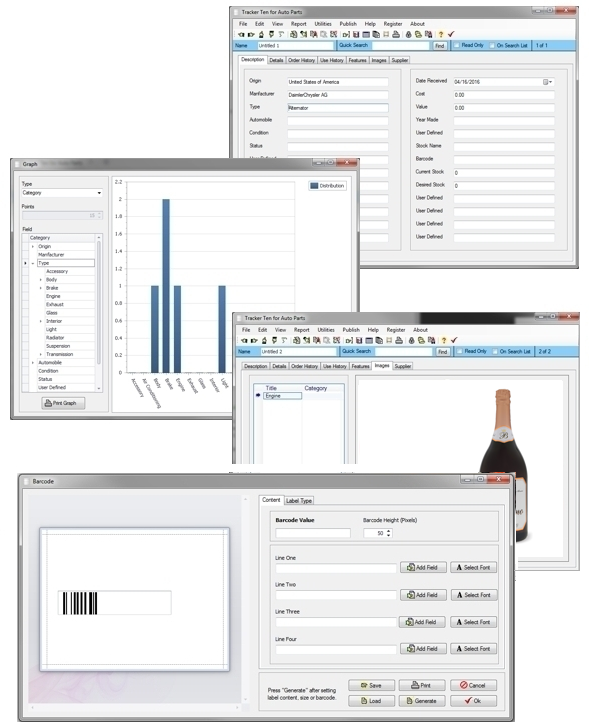
Our Tracker Ten Windows desktop application automates a variety of database management tasks, including:
- Automatic index creation for optimized search and retrieval.
- Data entry from APIs and external data sources.
- Automated file management and archival.
- Built-in reporting and data export functions.
- Background maintenance tasks to ensure database integrity and performance.
Using Tracker Ten, organizations can save significant time while ensuring that database operations are consistent, reliable, and secure.
Conclusion
Database automation is no longer optional—it is essential for modern IT infrastructure. By automating repetitive, error-prone tasks, organizations can achieve higher reliability, better performance, cost savings, and more efficient workflows. Leveraging tools, scripts, cloud solutions, and integrated CI/CD pipelines ensures that databases are maintained and scaled effectively, freeing human resources to focus on strategic decision-making. The combination of automation and human oversight creates a powerful, resilient, and future-ready database environment.
Looking for windows database software? Try Tracker Ten
- PREVIOUS How to Organize Information Saturday, August 9, 2025
- NextKeeping Track of Equipment Inspections Wednesday, July 23, 2025