General
How to Organize Information

How to Organize Information
Organizing information effectively is a skill that benefits both personal and professional contexts. Proper organization allows you to locate information quickly, analyze it effectively, and make informed decisions. The method you choose depends on the type of information, your goals, and how you intend to use it. Below are detailed strategies for organizing information systematically.
Identify the main categories: The first step in organizing information is to determine the primary categories. These are the broad groups that all your information can fit into. Start by analyzing your data to find the main themes. For example, if organizing a library, categories might include fiction, non-fiction, science, history, or self-help. For business documents, categories might include finance, operations, HR, and marketing.
Use subcategories: After defining main categories, break them down into subcategories to make the information more manageable. For example, within a "Finance" category, you might have subcategories for invoices, payroll, and tax documents. This hierarchical structure allows for quick access and easier navigation of large volumes of data.
Create a hierarchy: Hierarchies provide a visual and logical structure. Use headings, bullet points, numbered lists, and indentation to create layers of information. For example, a research report might use Level 1 headings for main topics, Level 2 for subtopics, and Level 3 for detailed points. Hierarchies help reduce confusion and make complex information easier to understand.
Use labels and tags: Labels and tags are versatile tools for organizing and retrieving information. Unlike rigid hierarchies, tags allow cross-referencing. For example, an email could be tagged with "urgent," "client," or "follow-up." This enables you to sort and filter data dynamically according to multiple criteria.
Use a system that works for you: Personal preference plays a large role in organization. Choose methods that align with your workflow. Some people prefer digital tools like spreadsheets, note-taking apps, or cloud-based databases, while others may prefer physical binders and folders. Consistency is key; a system only works if you use it regularly and maintain it.
Information Organizing Philosophy
An information organizing philosophy defines the principles and approach guiding how you collect, store, and use information. A thoughtful philosophy ensures your system is consistent, efficient, and relevant. Core principles include:
Focus on the most important information: Identify critical information that supports your goals. For businesses, this might include sales data, contracts, or financial reports. For personal use, this could include medical records, important contacts, or personal finances.
Be organized: A clear organizational system is essential. Group related items together, avoid random placement, and ensure files or records have meaningful names. Use consistent formats, whether digital or physical, to prevent confusion and improve retrieval efficiency.
Use the right tools: Choose tools appropriate to the type of information. Spreadsheets work well for numerical data, note-taking apps for ideas or meeting notes, and cloud storage for documents requiring remote access. Select tools that support easy updates, collaboration, and search functionality.
Regularly review and update information: Over time, information becomes outdated. Set a schedule to review and update data, remove duplicates, and archive obsolete records. This prevents clutter and ensures decisions are based on accurate, current information.
Protect your information: Sensitive or confidential data requires protection. Use password-protected files, encryption, secure cloud storage, and access controls to ensure privacy and compliance with regulations.
Information Organizing Tools
Organizing information efficiently requires the right tools, both digital and physical. Selecting the appropriate tools can streamline workflows and enhance productivity. Popular options include:
Spreadsheets: Versatile for budgets, schedules, inventories, and tracking data. Advanced functions and formulas allow calculations, sorting, and filtering for better analysis.
Note-taking apps: Applications like Evernote, OneNote, and Google Keep allow you to create organized digital notebooks, tag notes, and search across them quickly.
Mind-mapping tools: Tools like MindMeister and XMind let you visually organize ideas, projects, and processes. They are helpful for brainstorming, creating hierarchies, and planning complex workflows.
Task management apps: Tools like Trello, Asana, or Todoist help track tasks, assign responsibilities, and monitor project progress. Integration with calendars and notifications helps ensure deadlines are met.
File organization tools: Cloud storage solutions like Google Drive or Dropbox provide accessible, searchable storage. Creating folders, subfolders, and using tags ensures documents are organized and easily retrievable.
Physical organizers: Filing cabinets, binders, and folders remain useful for paper documents. Labeling and color-coding improve access and reduce the risk of lost information.
Poor Information Organizing
Poor organization can have severe consequences, including lost time, productivity, and opportunities. Common issues include:
Difficulty finding information: Disorganized files, inconsistent labeling, and unstructured data make retrieval time-consuming and stressful.
Duplicate information: Multiple copies across different platforms create confusion and risk using outdated versions.
Overwhelming information volume: Too much data without proper categorization can impede decision-making and reduce efficiency.
Missed deadlines or opportunities: Lack of tracking important dates and deadlines due to poor organization results in missed tasks and potential losses.
Inefficient workflows: Time wasted on searching, reorganizing, or correcting errors reduces overall productivity.
Information Organizing and Statistics
Organized information is essential for statistical analysis. Proper organization ensures accuracy, facilitates calculations, and enhances interpretation. Key points include:
Data collection: Organize data collection processes to ensure completeness and accuracy. Label datasets clearly, maintain consistent units, and record sources meticulously.
Data cleaning: Identify and correct errors, remove duplicates, and standardize formats. Well-organized information reduces cleaning time and prevents incorrect analysis.
Data analysis: Structure data logically to support analysis. Organized datasets allow easy filtering, grouping, and application of statistical functions, enabling accurate insights.
Data interpretation: Proper organization aids in creating understandable charts, graphs, and reports. Clearly labeled and structured data communicates findings effectively.
Data sharing: Organized information supports collaboration. Stakeholders can access clear, consistent data, enabling informed decision-making across teams or departments.
Organizing Information With Tracker Ten
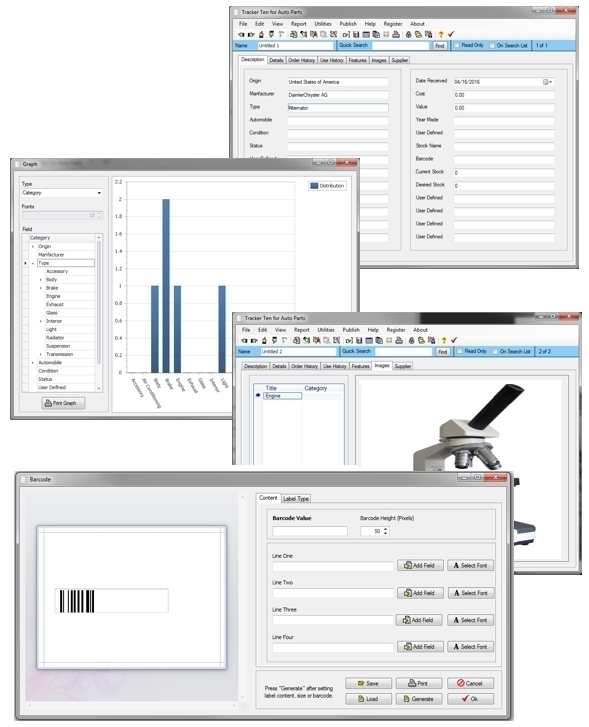
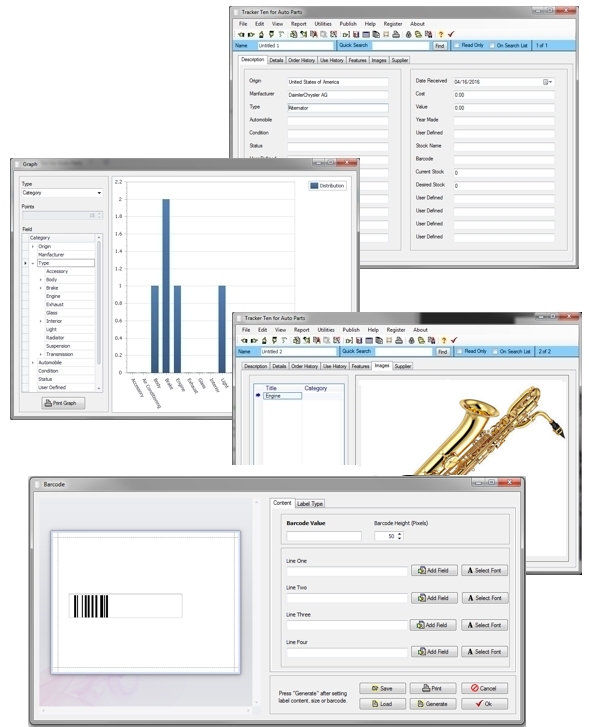
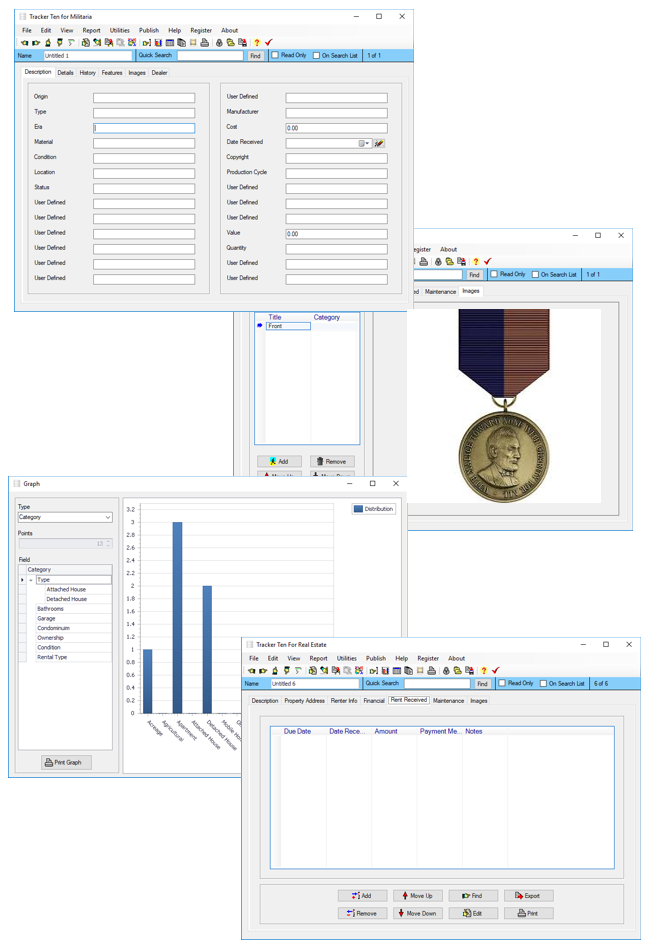
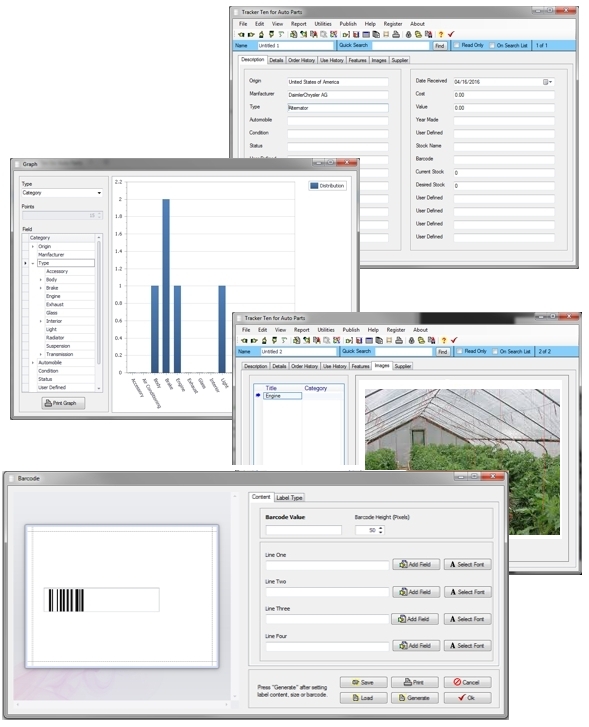
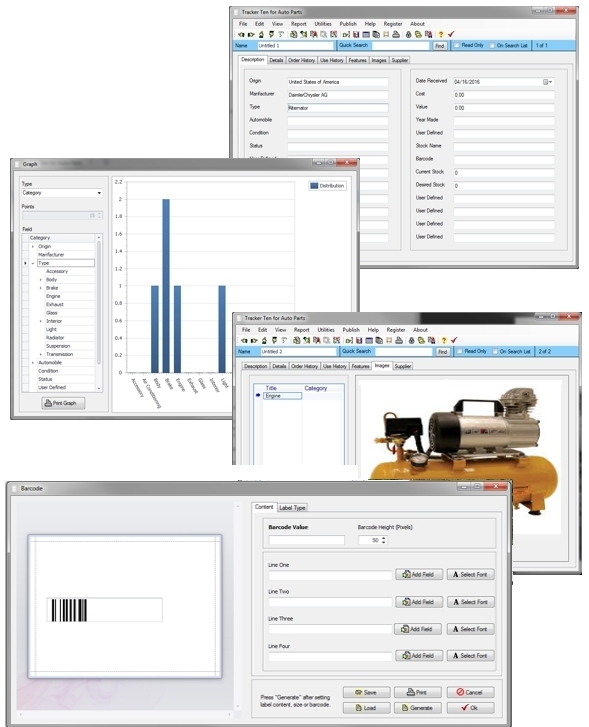
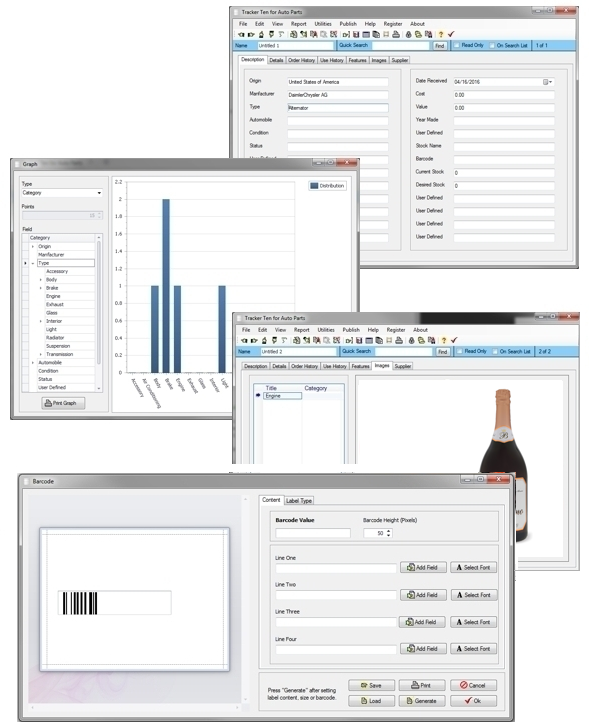
Our Tracker Ten database products allow you to organize almost any type of information efficiently. Tracker Ten solutions offer customizable structures, tagging, and reporting options, making it easier to track, categorize, and retrieve information. Explore our site to find solutions suited to your needs, whether for personal data management, project tracking, or business applications.
By implementing these strategies, choosing appropriate tools, and maintaining consistency, you can ensure that information is organized, accessible, and actionable. A systematic approach to information organization not only saves time but also improves decision-making, enhances productivity, and reduces stress.
Looking for windows database software? Try Tracker Ten
- PREVIOUS Tracking Auto Parts Friday, August 15, 2025
- NextDatabase Automation Tips and Tricks Sunday, July 27, 2025