General
Intellectual Property Issues For Your Database

Copyright and intellectual property considerations are often overlooked when databases are created on a single-user Windows computer. Many individuals and small businesses assume that because a database is local, private, or created with off-the-shelf software, ownership and legal rights are straightforward. In reality, databases raise a number of important copyright, intellectual property, and licensing questions. These issues become especially relevant when the database contains valuable business data, original structures, images, or documentation, or when the data may later be shared, sold, or transferred. Understanding how copyright applies to locally created databases—and how tools like Tracker Ten fit into that framework—helps ensure that creators retain control over their work and avoid unintended legal problems.
At its most basic level, copyright law protects original works of authorship fixed in a tangible medium. On a single-user Windows computer, a database clearly qualifies as a fixed work: it exists as files stored on a hard drive. However, copyright does not automatically protect all aspects of a database equally. The distinction between the software used to create the database, the structure of the database, and the data stored inside it is critical.
Database software itself, such as Tracker Ten, is protected by copyright owned by the software developer. When a user installs Tracker Ten, they are purchasing or licensing the right to use the program under specific terms. This does not transfer ownership of the software’s source code or internal design. Instead, the user is granted permission to use the program to create and manage their own data. This separation is fundamental: the software is one copyrighted work, while the database files created with it may be another.
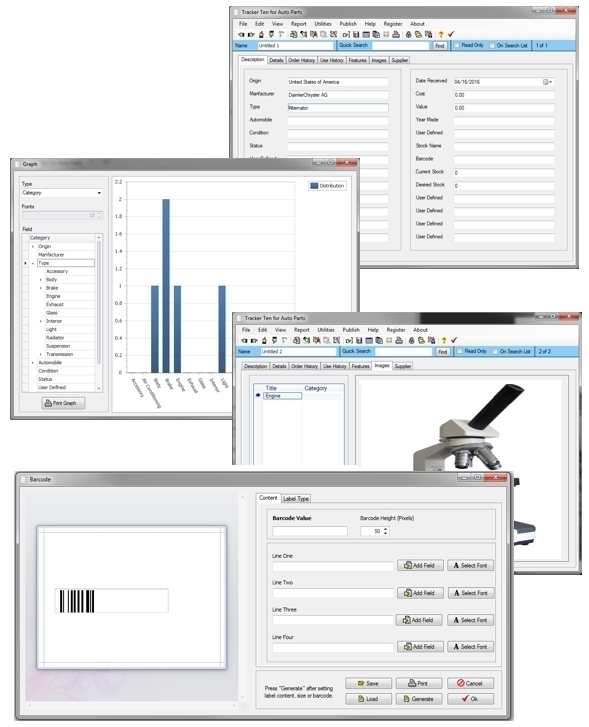
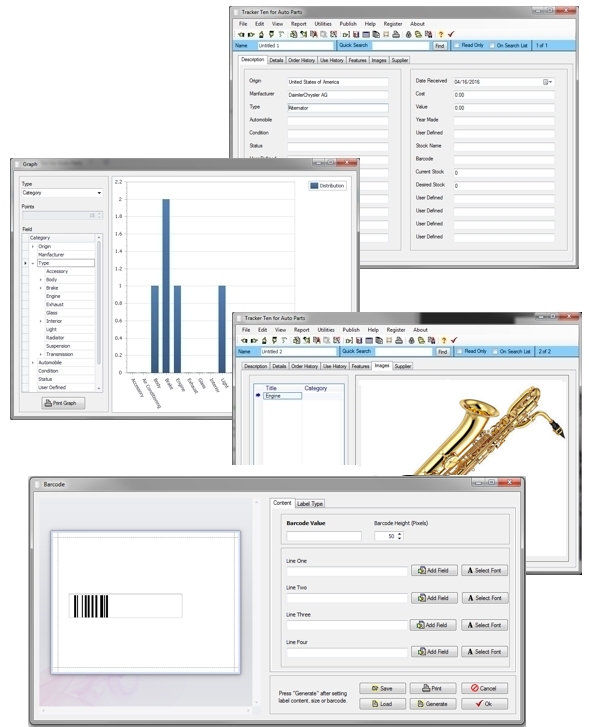
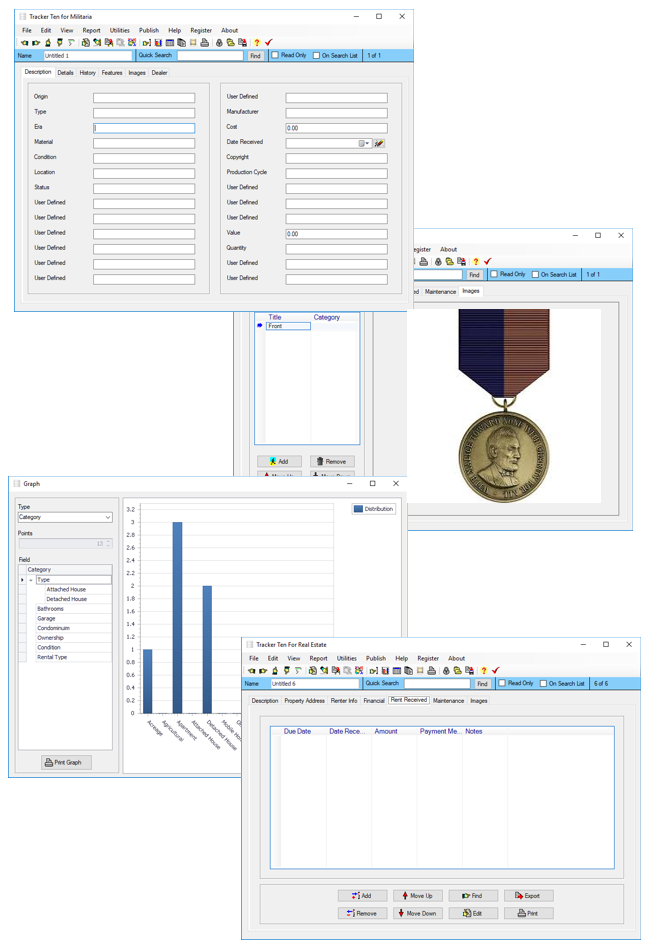
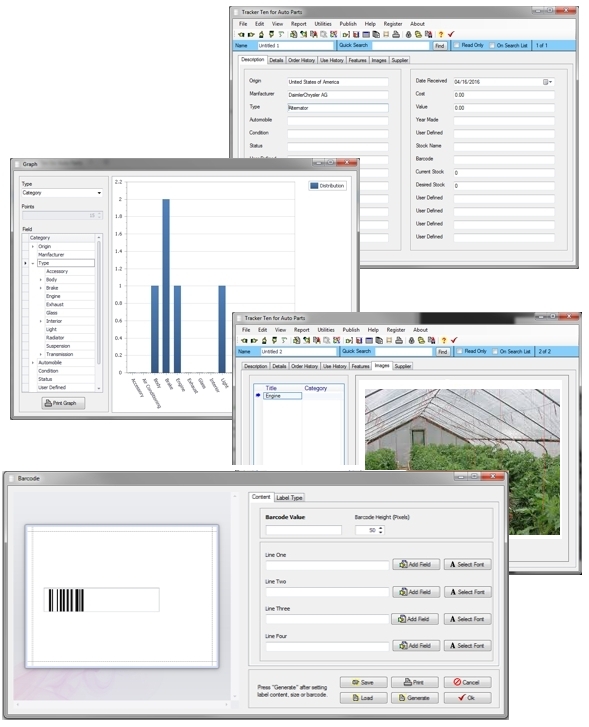
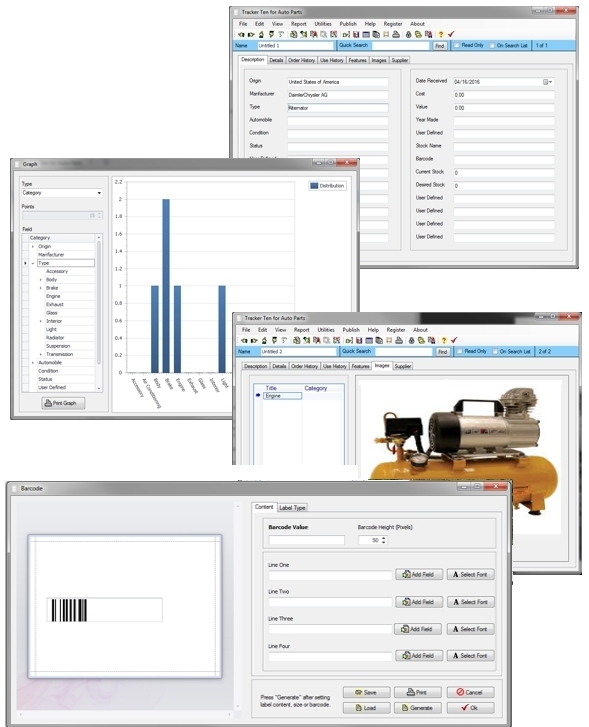
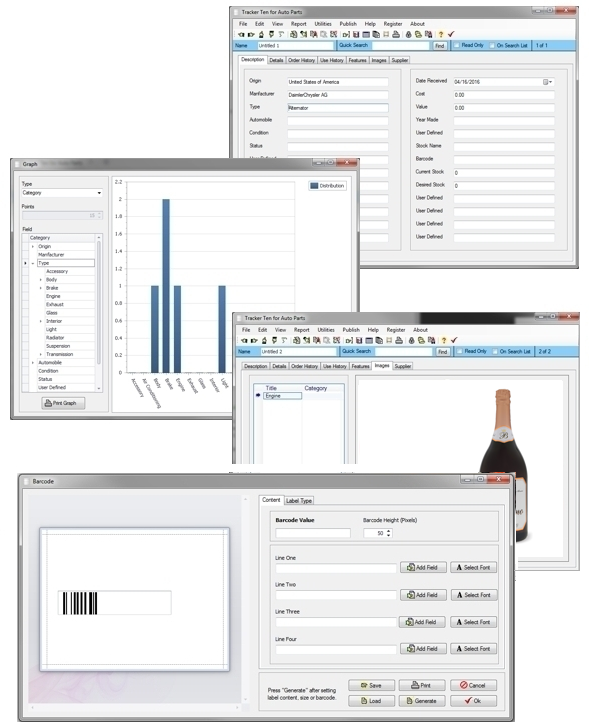
Tracker Ten is an easy-to-use Windows database program with multi-file support, allowing users to create and manage multiple database files for different purposes. While Tracker Ten controls how data is stored and accessed, the content entered into those database files is typically owned by the user, provided the content itself is original or lawfully obtained. For example, a contractor entering customer records, invoices, and job notes into Tracker Ten generally owns that data, because it was created through their own effort and business activity.
Copyright protection for databases often focuses on originality in selection, arrangement, and structure. Individual facts—such as names, addresses, serial numbers, or dates—are usually not protected by copyright on their own. However, the way those facts are selected, organized, and presented can be protected if it reflects creative choices. A carefully designed database with custom fields, unique categorizations, and thoughtfully organized records may qualify for copyright protection as a compilation, even though the underlying facts are not themselves copyrightable.
On a single-user Windows system, the database structure is often shaped by both the software and the user. Tracker Ten provides a flexible framework with customizable fields, layouts, and reports. When a user configures Tracker Ten to suit their specific workflow—choosing which fields to include, how records are grouped, and how reports are generated—they are contributing creative input. That customized database structure may represent an original compilation that the user owns, independent of the Tracker Ten software itself.
Multi-file support adds another layer to intellectual property considerations. Because Tracker Ten allows an unlimited number of database files, users may create separate files for different clients, projects, years, or business units. Each database file can be considered a distinct work. This is particularly important for consultants, contractors, or professionals who maintain databases on behalf of clients. Clear agreements are essential to determine who owns each database file, especially when the database is created on the consultant’s own computer but contains client-specific information.
Images, documents, and external files stored within or linked to a database raise additional copyright concerns. Tracker Ten supports attaching images and external files to records, which is extremely useful for documentation, insurance, and record keeping. However, attaching a file to a database does not change its copyright status. If the user took the photos themselves or created the documents, they generally own the copyright. If the files were obtained from third parties, such as manufacturer images or externally produced manuals, the user must ensure they have the right to store and use those materials within the database.
Licensing terms play a significant role in defining rights and limitations. The Tracker Ten license governs how the software may be used, whether database files can be shared between installations, and whether the software may be used for commercial purposes. While the data belongs to the user, the format in which it is stored is controlled by the software. Users should review license terms carefully to understand any restrictions on redistribution, reverse engineering, or automated access to database files.
Another important intellectual property issue arises when databases are shared or transferred. A database created on a single-user Windows computer may later be copied to another system, provided to a business partner, or delivered to a client. In these cases, the database file itself becomes a transferable asset. The copyright owner of the database—typically the person or business that created it—controls how it may be copied or reused. This is especially relevant when databases contain proprietary processes, pricing models, or internal notes that provide a competitive advantage.
Employee-created databases introduce additional complexity. If a database is created by an employee on a single-user Windows computer as part of their job, copyright ownership may belong to the employer under "work made for hire" principles, depending on jurisdiction and employment agreements. Even if the employee used software like Tracker Ten creatively to design the database, the employer may own the resulting database if it was created within the scope of employment. Clear policies and contracts help avoid disputes in these situations.
Data protection and confidentiality intersect with intellectual property rights as well. While copyright governs ownership and copying, confidentiality agreements govern access and disclosure. A Tracker Ten database stored locally may contain sensitive customer or business information. Even if the database creator owns the copyright, they may still be legally obligated to protect the data from unauthorized access or disclosure. This highlights the importance of securing database files and understanding how intellectual property rights coexist with privacy and data protection laws.
Backup and archival practices also have copyright implications. Making backups of a locally stored database generally does not infringe copyright when the user owns the database or has lawful rights to the content. In fact, backups are essential for protecting intellectual property from loss. However, storing backups on shared systems or cloud services may introduce third-party access considerations, making it important to ensure that service providers do not claim rights over stored data.
Another common misconception is that deleting the software removes all associated intellectual property concerns. Even if Tracker Ten is uninstalled, the database files created with it remain subject to copyright. Ownership does not disappear simply because the software is no longer present. Likewise, upgrading or changing database software does not automatically transfer or alter intellectual property rights in the data itself.
From a practical standpoint, users of single-user Windows databases should take proactive steps to clarify ownership. This includes documenting who created the database, for what purpose, and under what terms. For businesses, this may involve internal policies or client agreements. For individuals, it may simply mean maintaining clear records and backups. Tracker Ten’s multi-file support can actually help here, allowing users to separate databases by ownership or purpose to avoid confusion.
In conclusion, copyright and intellectual property issues for databases created on a single-user Windows computer are more nuanced than they may initially appear. While the software—such as Tracker Ten—is protected by the developer’s copyright, the data and database structures created with it are often owned by the user, provided they are original or lawfully obtained. Tracker Ten’s flexibility, customization options, and multi-file support make it a powerful tool for creating valuable database assets, but they also underscore the importance of understanding ownership, licensing, and usage rights. By being aware of these issues and planning accordingly, individuals and small businesses can protect their databases not just technically, but legally, ensuring long-term control over one of their most important digital assets.
Looking for windows database software? Try Tracker Ten
- PREVIOUS Designing a Single User Database Schema Monday, March 4, 2024
- NextInventory Control for your Small Business Monday, February 12, 2024