Database
Data Intelligence

Data intelligence refers to the systematic process of collecting, integrating, analyzing, and interpreting data in order to generate meaningful insights and support informed decision-making. In an increasingly digital and data-driven world, organizations generate massive volumes of data every day from transactions, customer interactions, sensors, online platforms, and internal systems. Data intelligence provides the framework and methodologies needed to transform this raw data into actionable knowledge that can drive strategy, improve efficiency, and create competitive advantage.
At its core, data intelligence bridges the gap between data and decisions. Rather than relying on intuition or anecdotal evidence, data intelligence emphasizes evidence-based decision-making grounded in accurate, timely, and relevant data. This approach allows organizations to identify patterns, trends, correlations, and anomalies that would otherwise remain hidden, enabling them to anticipate challenges, capitalize on opportunities, and respond more effectively to change.
Data intelligence is not limited to a single industry or use case. In business, it supports activities such as customer segmentation, demand forecasting, marketing optimization, fraud detection, and performance management. In healthcare, data intelligence helps improve patient outcomes by analyzing medical records, diagnostic data, and treatment effectiveness. In education, it supports personalized learning and institutional planning. Governments use data intelligence to inform policy decisions, allocate resources, and improve public services. Across all of these domains, the underlying goal remains the same: to turn data into insight and insight into action.
The process of data intelligence typically involves several interconnected steps, each of which plays a critical role in ensuring the accuracy, relevance, and usefulness of the final insights. These steps form a continuous cycle rather than a linear sequence, as insights often lead to new questions and additional data collection.
Data Collection: Data collection is the foundation of data intelligence. It involves gathering data from a wide range of sources, including databases, spreadsheets, enterprise systems, web applications, surveys, sensors, and external data providers. Effective data collection requires careful planning to ensure that the data is relevant to the problem being addressed, accurate, complete, and collected in a consistent manner. Poor data collection practices can undermine the entire data intelligence effort, leading to unreliable conclusions.
Data Integration: Data integration focuses on combining data from multiple sources into a unified and coherent dataset. Because data often comes from systems with different formats, structures, and standards, integration may involve data cleaning, normalization, transformation, and enrichment. This step ensures that data from disparate sources can be analyzed together, providing a more holistic and accurate view of the situation.
Data Analysis: Data analysis involves applying analytical techniques to extract insights from the integrated data. These techniques may include descriptive statistics, exploratory data analysis, data mining, machine learning, and predictive modeling. The goal is to uncover patterns, trends, relationships, and outliers that can inform understanding and guide decision-making.
Decision-Making: The final step of data intelligence is using the insights generated through analysis to inform decisions and actions. This may involve optimizing business processes, reallocating resources, adjusting strategies, or implementing new policies. Effective decision-making also requires clear communication of insights to stakeholders, often through visualizations, reports, and dashboards.
Successful data intelligence requires more than just technology. It depends on a combination of technical expertise, analytical skills, domain knowledge, and critical thinking. Data professionals must understand not only how to work with data, but also the context in which that data exists. They must be able to ask the right questions, challenge assumptions, interpret results responsibly, and communicate findings in a way that is understandable and actionable for decision-makers.
In summary, data intelligence is the practice of transforming data into insights that support better decisions. By systematically collecting, integrating, and analyzing data, organizations can move beyond guesswork and intuition, using evidence to guide actions and achieve better outcomes.
Data Intelligence Tools
Data intelligence relies heavily on a diverse ecosystem of tools and technologies designed to support data collection, integration, analysis, and visualization. These tools vary in complexity and purpose, ranging from simple query languages to advanced analytics platforms capable of processing massive datasets. Selecting the right combination of tools is essential for building an effective data intelligence capability.
Modern data intelligence tools are designed to handle increasing data volumes, support real-time or near-real-time analysis, and enable collaboration across teams. They also aim to make data more accessible to non-technical users through intuitive interfaces and visualizations, democratizing access to insights across the organization.
SQL: Structured Query Language (SQL) is a foundational tool for working with relational databases. It allows analysts to retrieve, filter, aggregate, and transform data stored in tables. SQL is widely used because of its efficiency, flexibility, and compatibility with many database systems. Mastery of SQL is often considered a core skill for data intelligence professionals.
Python: Python is a versatile programming language that plays a central role in data analysis and machine learning. Its extensive ecosystem of libraries, such as pandas for data manipulation, NumPy for numerical computing, and scikit-learn for machine learning, makes it well-suited for both exploratory analysis and advanced modeling. Python is also valued for its readability and strong community support.
R: R is a language and environment specifically designed for statistical analysis and data visualization. It offers powerful tools for data exploration, hypothesis testing, and statistical modeling. R is particularly popular in academic research and fields that require rigorous statistical analysis.
Tableau: Tableau is a leading data visualization platform that enables users to create interactive dashboards and reports. By connecting to various data sources, Tableau allows users to explore data visually, identify trends, and communicate insights effectively. Its drag-and-drop interface makes it accessible to users with varying technical backgrounds.
Power BI: Power BI is a business intelligence tool developed by Microsoft that provides data modeling, analysis, and visualization capabilities. It integrates well with other Microsoft products and supports real-time dashboards, making it a popular choice for organizations seeking enterprise-level reporting solutions.
Apache Hadoop: Apache Hadoop is a framework for distributed storage and processing of large datasets. It enables organizations to store massive volumes of data across clusters of machines and process that data in parallel. Hadoop is often used in big data environments where traditional databases are insufficient.
Beyond these tools, the data intelligence landscape includes data warehouses, data lakes, ETL (extract, transform, load) tools, streaming platforms, and cloud-based analytics services. Machine learning platforms and artificial intelligence tools are increasingly integrated into data intelligence workflows, enabling more sophisticated and automated analysis.
The choice of tools depends on factors such as data volume, complexity, budget, existing infrastructure, and team expertise. An effective data intelligence strategy typically involves combining multiple tools to address different stages of the data lifecycle.
Data Intelligence Sources
Data intelligence sources encompass the various types of data that organizations can collect and analyze to generate insights. Understanding the nature of these sources is essential for selecting appropriate analytical methods and ensuring accurate interpretation of results.
As digital technologies continue to evolve, the diversity and volume of data sources have expanded dramatically. Organizations must be able to manage both traditional and emerging data types to maintain a comprehensive and up-to-date understanding of their environment.
Structured Data: Structured data is organized in predefined formats, such as rows and columns in a database or spreadsheet. Examples include customer records, financial transactions, and inventory data. Structured data is relatively easy to store, query, and analyze using traditional tools.
Unstructured Data: Unstructured data lacks a fixed schema and includes text documents, emails, images, videos, and audio files. Analyzing unstructured data often requires advanced techniques such as natural language processing and computer vision.
Big Data: Big data refers to datasets characterized by high volume, velocity, and variety. These datasets often exceed the capabilities of traditional data processing systems and require distributed computing frameworks to analyze effectively.
Sensor and IoT Data: Sensor data is generated by devices such as temperature sensors, GPS trackers, and industrial equipment. This data is often collected in real time and used for monitoring, optimization, and predictive maintenance.
Social Media Data: Social media platforms generate vast amounts of data related to user behavior, preferences, and sentiment. Analyzing this data can provide insights into customer opinions, brand perception, and emerging trends.
Public Data: Public data includes government statistics, open datasets, and publicly available records. This data can support research, policy analysis, and market assessment.
Private Data: Private data is collected by organizations for internal use, such as customer interactions, operational metrics, and proprietary research. This data is often highly valuable but requires careful handling to ensure privacy and security.
By combining multiple data sources, organizations can gain a richer and more nuanced understanding of complex problems. However, integrating diverse data types also introduces challenges related to data quality, consistency, and governance.
Data Intelligence Pitfalls
Despite its potential benefits, data intelligence is not without risks and challenges. Organizations that fail to address these pitfalls may draw incorrect conclusions, waste resources, or erode trust in data-driven initiatives.
Bias and Inaccuracy: Bias can arise from unrepresentative data, flawed collection methods, or subjective assumptions embedded in analytical models. Inaccurate data can lead to misleading insights and poor decisions.
Overreliance on Technology: While automation and advanced analytics are powerful, relying solely on technology without human judgment can result in errors or misinterpretations. Human oversight remains essential.
Lack of Clear Objectives: Without well-defined goals, data intelligence efforts can become unfocused and fail to deliver actionable insights. Clear objectives help guide data collection and analysis.
Data Privacy and Security: Handling sensitive data requires robust security measures and compliance with regulations. Data breaches can have serious legal and reputational consequences.
Poor Data Quality: Incomplete, outdated, or inconsistent data undermines the reliability of analysis. Data quality management is a critical ongoing responsibility.
Lack of Communication and Collaboration: Effective data intelligence often requires collaboration across departments. Poor communication can limit the impact of insights.
Addressing these pitfalls requires strong governance, clear processes, and a culture that values both data and critical thinking.
Data Intelligence Cost
The cost of implementing and maintaining data intelligence capabilities varies widely depending on organizational needs and ambitions. While some initiatives can be relatively modest, others require significant investment.
Data Collection: Costs may include data acquisition, cleaning, and preparation efforts.
Infrastructure and Tools: Investments may be required for databases, analytics platforms, cloud services, and licenses.
Personnel: Skilled data professionals represent a significant portion of data intelligence costs.
Maintenance and Support: Ongoing updates, monitoring, and support add to long-term costs.
Security and Compliance: Meeting regulatory requirements may involve additional expenses.
Although costs can be substantial, effective data intelligence often delivers strong returns by improving efficiency, reducing risk, and enabling better decisions.
Database Software
Database software plays a central role in data intelligence by providing the foundation for storing, managing, and retrieving data. Whether using traditional relational databases, modern cloud-based systems, or specialized analytical databases, organizations need reliable and scalable solutions to support their data intelligence initiatives.
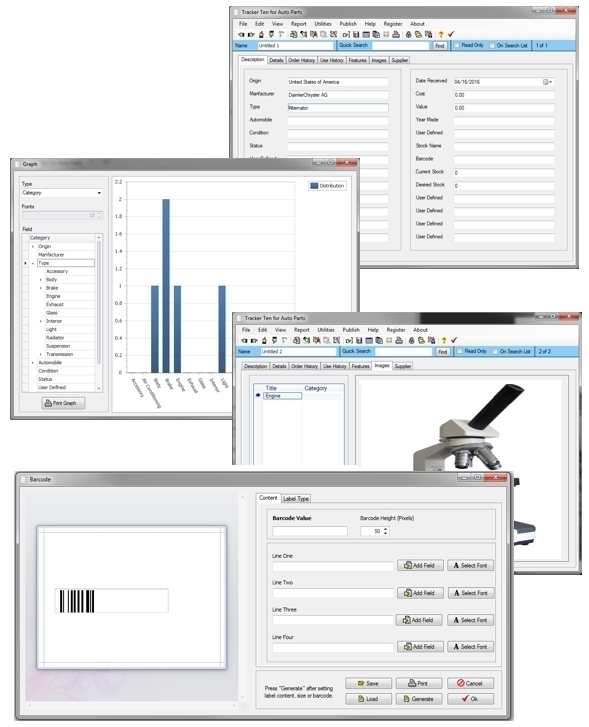
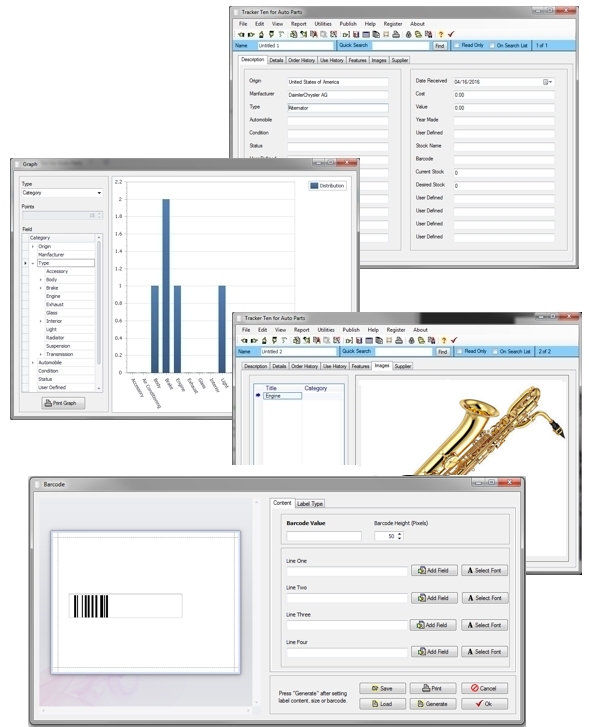
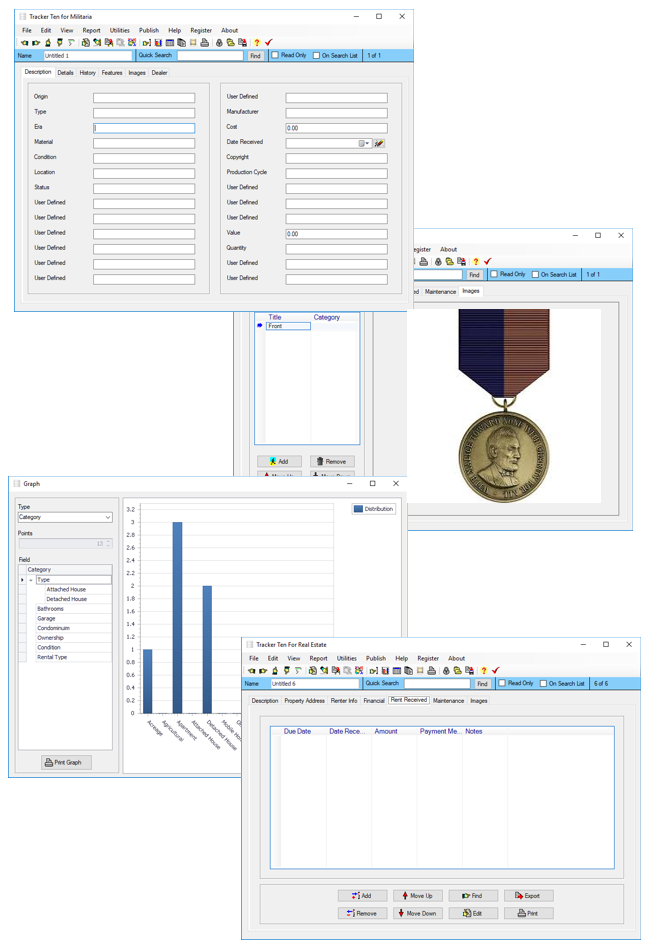
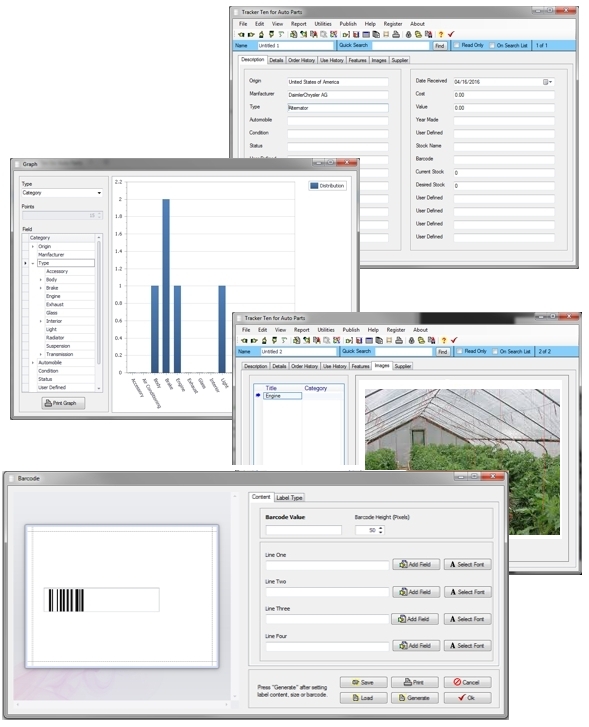
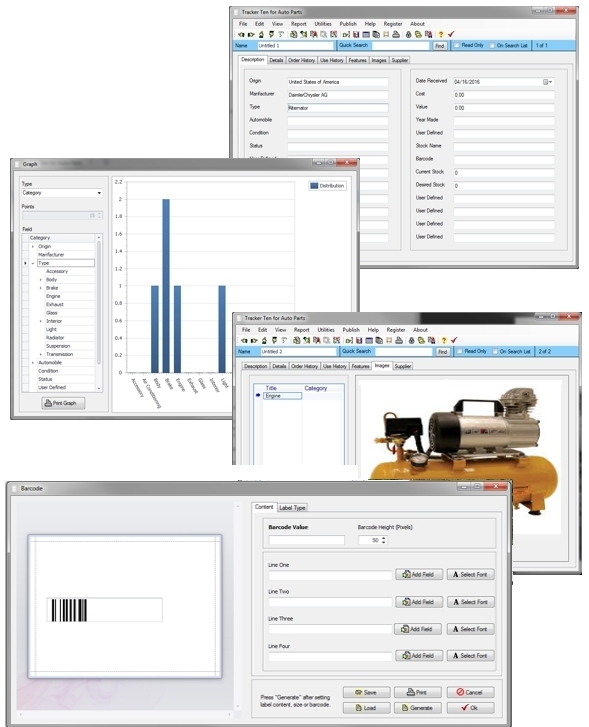
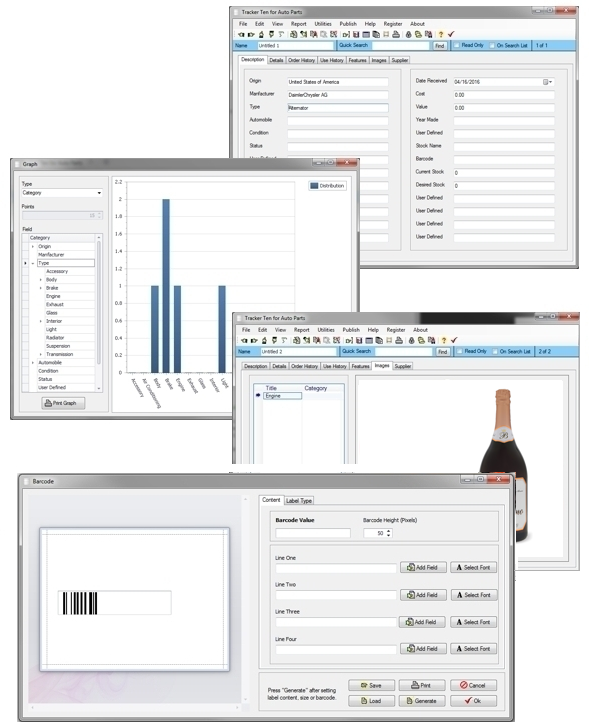
To help you track and manage data effectively for data intelligence, you will likely need database software that aligns with your specific requirements. Browse our site to explore a wide variety of database products designed to support data management, analytics, and decision-making.
Looking for windows database software? Try Tracker Ten
- PREVIOUS Craft Supply Tracking Database Software Monday, January 13, 2025
- NextStockroom Inventory Monday, December 23, 2024