Database
Filtering Information

Filtering Information
Filtering information is the process of selectively choosing which information to focus on and which to ignore. In the modern world, we are constantly inundated with data from multiple sources, including social media, news outlets, blogs, emails, podcasts, and television. Without effective filtering, it can be overwhelming to separate useful information from irrelevant or misleading content. Filtering information is not just about managing volume; it is a crucial skill for making informed decisions, avoiding misinformation, and optimizing personal and professional productivity.
In today’s digital age, information overload is a real phenomenon. Studies suggest that the average person is exposed to thousands of data points every day. Without proper filtering, decision-making can be impaired, attention spans shortened, and stress levels increased. Filtering information helps to focus on what matters most, ensures that decisions are based on reliable data, and prevents wasted time on irrelevant or inaccurate content.
Why Filtering Information is Important
Filtering information is critical in multiple contexts:
Decision-Making: Filtering allows individuals and organizations to identify relevant information that supports accurate and timely decisions.
Time Management: By focusing only on relevant information, individuals can save significant time otherwise spent processing unnecessary data.
Accuracy and Reliability: Filtering helps avoid misinformation, disinformation, and low-quality content, which is increasingly prevalent online.
Stress Reduction: Reducing the sheer volume of information can reduce cognitive overload and mental fatigue.
Professional Efficiency: In business, proper filtering ensures teams focus on critical metrics, trends, and client needs rather than distractions or irrelevant reports.
Filtering information is relevant for professionals, students, researchers, and everyday consumers. It is not just a digital skill—it is also critical in traditional media consumption and in-person environments where information is constantly presented.
Methods of Filtering Information
There are multiple strategies and techniques to effectively filter information. Some of the most practical methods include:
Identify Goals: Determine what you are seeking to achieve and focus only on information relevant to that goal. This helps prevent distraction and wasted effort.
Evaluate Sources: Examine where the information comes from. Reliable sources are credible, have a history of accuracy, and are often peer-reviewed or professionally vetted.
Use Critical Thinking: Question assumptions, check evidence, and consider alternative perspectives before accepting information as valid.
Use Filters and Search Engines: Advanced search techniques, keyword searches, and filters can narrow down results to more relevant sources.
Set Up Alerts and Notifications: Tools like Google Alerts or RSS feeds can send updates on specific topics, ensuring you get timely information without manually searching for it.
Prioritize Timeliness: Ensure the information is current and relevant. Outdated content may no longer be accurate or applicable.
Trust Your Judgment: Use your intuition and experience to determine what is important and valuable.
Check Multiple Sources: Cross-reference multiple reputable sources to confirm information accuracy and avoid bias.
Check Dates: Always verify publication dates to ensure information is up-to-date and relevant.
Be Skeptical: Approach information with healthy skepticism, especially from unverified online sources.
Social Media Awareness: Social media can amplify misinformation. Be careful when accepting information from social platforms without verification.
Avoid Reliance on a Single Source: Diversify sources to get a more comprehensive and balanced perspective.
Use Keywords Strategically: Narrow your search and filtering using specific terms relevant to your query or research topic.
Stay Organized: Maintain structured notes or a personal database to track useful information for future reference.
Filtering information is both a cognitive and technical skill. It involves active decision-making and awareness of biases, as well as the ability to leverage tools and technology to reduce noise and focus on relevance.
Information Filtering Software
Information filtering software uses algorithms to automatically select and present relevant content based on user preferences, search history, or specific criteria. These tools are designed to reduce information overload and help users access the most pertinent content efficiently.
Feedly: Aggregates news and RSS feeds into one personalized interface, allowing users to follow selected sources and filter out irrelevant content.
Pocket: Lets users save articles, videos, and web content for later viewing, organizing items by tags and categories.
Hootsuite: Manages multiple social media accounts, enabling filtering by hashtags, keywords, and mentions for more focused monitoring.
Flipboard: Aggregates news and social media content into a magazine-style feed tailored to user interests.
Google Alerts: Sends notifications when new content matches specified keywords, keeping users updated on relevant topics without manual searching.
Adblock Plus: Blocks unwanted ads, pop-ups, and distractions to focus on core content.
Evernote and Notion: Organize and store filtered information for easy reference, tagging, and collaboration.
Information filtering software complements manual strategies, allowing users to automate content curation and reduce cognitive load. These tools are particularly useful for professionals, researchers, and students who need to manage large volumes of data efficiently.
Drawbacks of Information Filtering
While information filtering tools provide clear benefits, there are potential drawbacks to consider:
Algorithmic Bias: Algorithms may favor certain content, creating filter bubbles and limiting exposure to diverse perspectives.
Inaccuracy: Filtering tools cannot guarantee complete accuracy, and users may receive misleading or incomplete information.
Lack of Diversity: Tools that prioritize popular content may inadvertently exclude niche or innovative perspectives.
Overreliance: Excessive dependence on filtering software may weaken critical thinking and information evaluation skills.
Privacy Concerns: Some tools track user behavior and preferences, raising potential privacy and security issues.
Missing Context: Filtering can exclude important contextual information that may alter understanding or interpretation.
To mitigate these drawbacks, users should combine software tools with critical thinking, verification from multiple sources, and careful evaluation of content credibility.
Information Filtering Equipment
In certain contexts, hardware and software systems are used to filter information at an organizational level. This is common in schools, workplaces, and libraries to ensure safe and productive information access.
Firewalls: Monitor and control network traffic, blocking unauthorized or harmful content.
Web Filters: Restrict access to specific websites or content categories based on organizational policies.
Proxy Servers: Intermediary servers that filter, monitor, and log web traffic, often used to enforce content restrictions.
DNS Filters: Use DNS queries to block access to harmful or inappropriate websites, including malware and phishing sites.
Content Management Systems (CMS): Control user access to information, restricting certain content based on roles or permissions.
Anti-virus Software: Blocks access to malicious websites and prevents malware infections, contributing to safe information access.
Information filtering equipment ensures compliance with policies, promotes safe browsing, and maintains organizational productivity. These tools are often combined with educational strategies to teach responsible and informed use of digital information.
Information Filtering in Databases
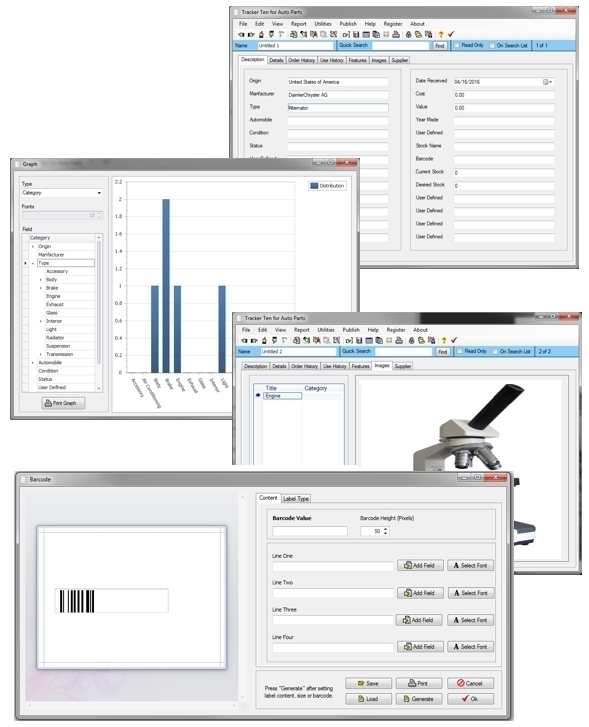
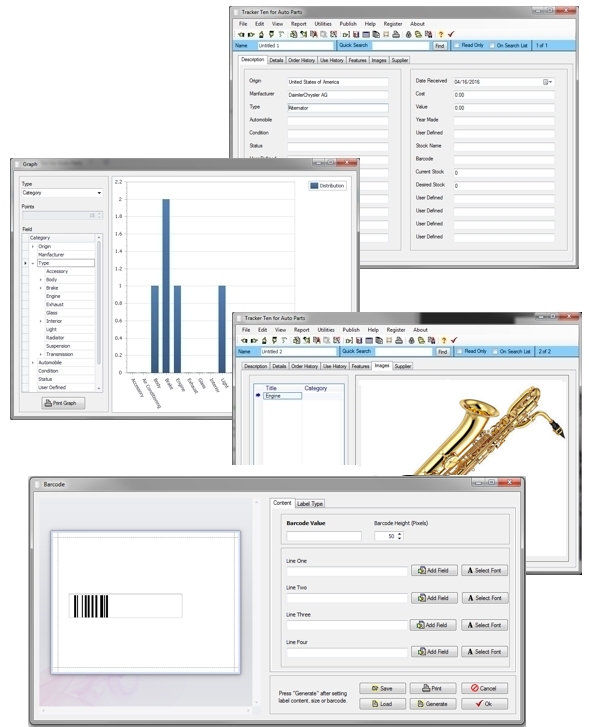
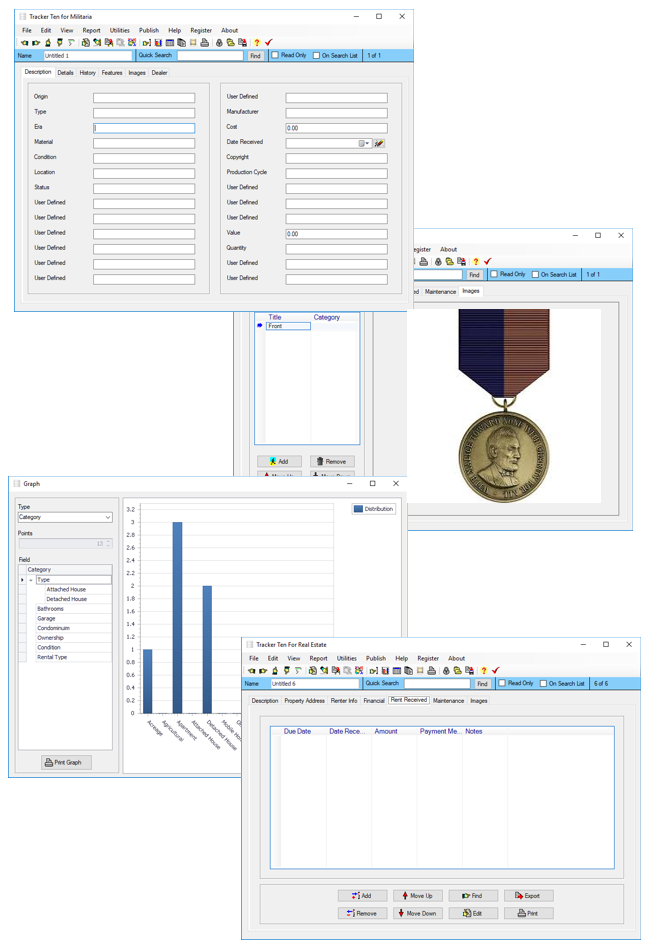
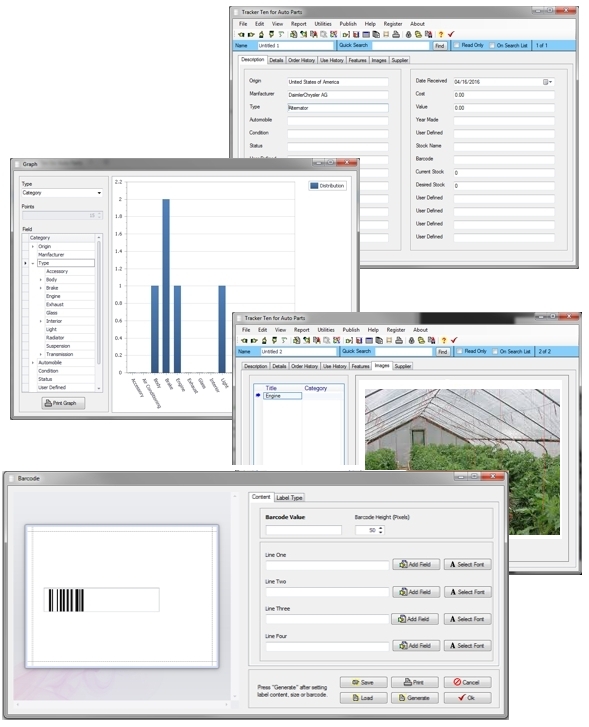
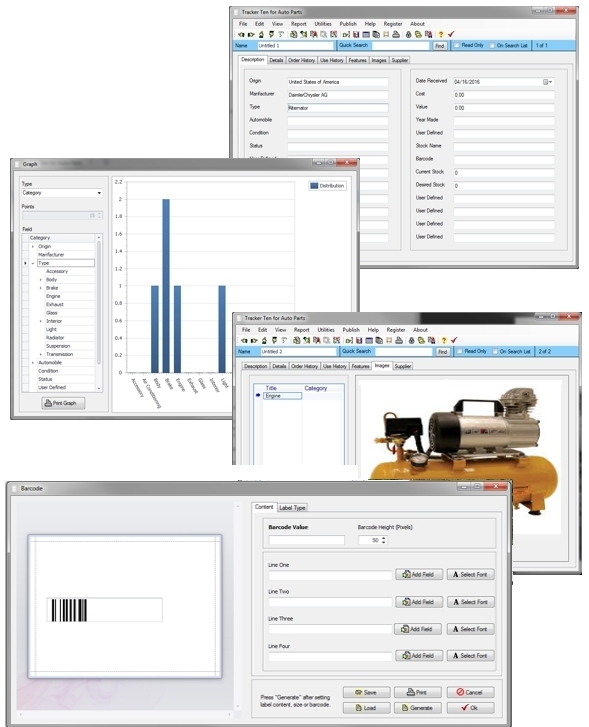
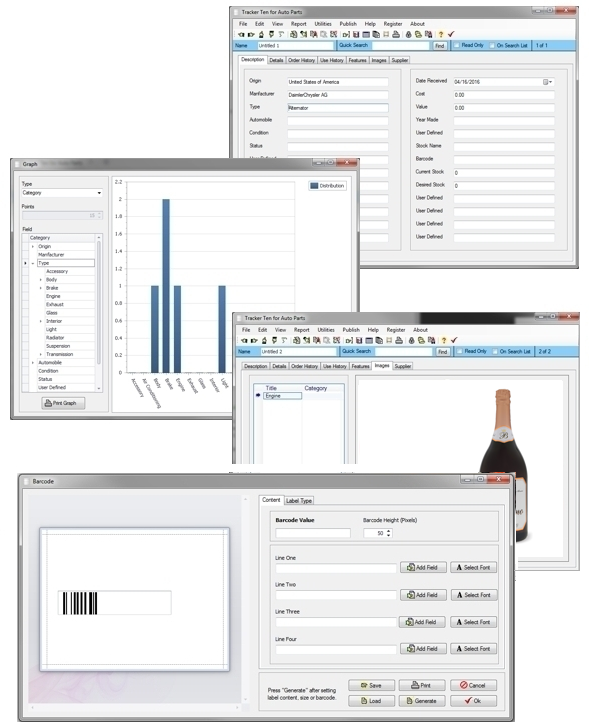
Filtered information can be effectively stored, managed, and analyzed using database systems. Databases allow structured storage of filtered data, enabling search, reporting, and retrieval. For example, research organizations, businesses, and individuals can use database software to track filtered articles, reports, metrics, or social media content. Software such as Tracker Ten provides tools to organize, categorize, and access filtered information efficiently.
In practice, filtered databases can be used for:
Research: Organize verified academic or professional sources to improve study efficiency.
Business Intelligence: Filter market data and store it in a database for analysis and strategic planning.
Personal Knowledge Management: Track personal interests, articles, and content for easy retrieval and decision-making.
Media Monitoring: Filter news, social media, and public sentiment for PR, journalism, or brand management.
By combining effective filtering with database management, individuals and organizations can handle vast amounts of information while maintaining relevance, accuracy, and accessibility.
Best Practices for Effective Information Filtering
To maximize the benefits of filtering information, consider these best practices:
Set clear objectives for the type of information you need.
Use multiple sources to verify and validate information.
Combine manual evaluation with software tools for optimal filtering.
Continuously review and update filters and preferences to match changing needs.
Educate yourself and others on media literacy and digital information evaluation.
Maintain organized storage systems to facilitate retrieval and analysis.
With careful application, information filtering empowers users to stay informed, make better decisions, reduce cognitive overload, and focus on what truly matters.
Conclusion
Filtering information is a fundamental skill for thriving in the digital age. By combining critical thinking, trusted sources, technology tools, and database systems, individuals and organizations can manage vast information streams efficiently. While filtering software and equipment provide convenience and efficiency, human judgment and evaluation remain essential to ensure accuracy, diversity, and relevance. When applied correctly, effective information filtering improves decision-making, reduces stress, saves time, and enhances productivity in both personal and professional contexts.
Explore Tracker Ten for software solutions that help you store, organize, and manage filtered information efficiently, turning information overload into actionable insights.
Looking for windows database software? Try Tracker Ten
- PREVIOUS Storing Geographic Information in a Database Thursday, September 26, 2024
- NextWhat is Metadata Monday, September 16, 2024