Database
Food Database

A food database is a structured collection of information about various types of food, including nutritional content, ingredients, serving sizes, allergen information, and preparation methods. These databases are used by nutritionists, dietitians, food manufacturers, restaurants, researchers, and consumers to monitor and manage dietary intake, plan meals, and ensure food safety. By providing accurate and organized information, food databases can help improve health, reduce waste, and streamline operations in both personal and commercial contexts.
Food databases typically include the following details for each food item:
Nutritional Information: Includes details on calories, macronutrients (protein, fat, carbohydrates), vitamins, and minerals. Nutritional data helps individuals manage diets, meet health goals, and monitor nutrient intake.
Ingredients: A full list of ingredients used to make the food item, including additives, preservatives, and flavorings. This is crucial for people with allergies, dietary restrictions, or preferences such as vegetarian or vegan diets.
Serving Size: Specifies the recommended amount for consumption, typically provided in grams or ounces. Serving size information allows accurate calculation of nutrient intake and portion control.
Allergen Information: Highlights common allergens, including peanuts, tree nuts, soy, dairy, gluten, and shellfish, helping consumers avoid adverse reactions.
Preparation Instructions: Guidance on how to cook, store, or prepare the food item to maintain quality and nutritional value.
Food databases are maintained by government agencies, private companies, and non-profit organizations. Examples include the USDA National Nutrient Database for Standard Reference, Nutritionix, and MyFitnessPal. Many are accessible online or via mobile apps, providing both free and subscription-based access. Researchers and businesses can integrate these databases into their applications or inventory management systems to automate nutritional analysis and compliance with health regulations.
Food Inventory for Your Business
Managing a food inventory is essential for restaurants, catering companies, and food retail stores. A well-organized food inventory ensures efficient operations, reduces waste, and improves profitability. Here are key steps to creating and maintaining a food inventory for a business:
Establish a Tracking System: Develop a reliable system for tracking inventory, such as inventory management software, spreadsheets, or manual logs. Include product names, quantities, expiration dates, and supplier information.
Regular Inventory Checks: Conduct inventory counts at consistent intervals to assess stock levels and identify discrepancies. High-volume businesses may require daily counts, while smaller operations may use weekly or monthly checks.
Set Par Levels: Determine minimum stock levels (par levels) for each item. Par levels prevent shortages and overstocking, which can lead to spoilage or lost sales.
Proper Storage: Store items correctly by maintaining appropriate temperatures, humidity, and sanitation standards. Organize products by expiration date and category to facilitate efficient retrieval.
Monitor Waste: Track food waste to identify patterns and implement improvements. Waste monitoring can include discarded items, overproduction, or unsold products.
Analyze Inventory Data: Use historical data to optimize purchasing and production. Identify fast-moving items, seasonal trends, and slow-selling products to inform decision-making.
Staff Training: Train employees on proper inventory management, including handling, recording, and reporting procedures.
Efficient inventory management reduces costs, prevents stockouts, and helps maintain food quality, contributing to better customer satisfaction and business success.
Food Inventory to Prevent Waste
Proper inventory management can significantly reduce food waste. By monitoring stock levels, expiration dates, and usage patterns, businesses can minimize losses and optimize purchasing. Consider these strategies:
Set Par Levels: Ensure that minimum stock thresholds prevent overstocking and potential spoilage.
Monitor Expiration Dates: Organize products to use older stock first, using first-in, first-out (FIFO) principles. This prevents waste due to expired products.
Data-Informed Purchasing: Analyze past consumption trends to order quantities that match actual demand, avoiding overproduction.
Track Waste: Record discarded items to identify inefficiencies and take corrective actions.
Portion Control: Standardize serving sizes to reduce over-portioning and minimize leftovers.
Staff Training: Educate staff on waste prevention, proper storage, and inventory rotation practices.
By reducing waste, businesses save money, maintain sustainability goals, and contribute to environmental conservation.
Home Pantry Inventory
Maintaining a home pantry inventory helps households stay organized, reduce food waste, and manage grocery budgets effectively. Here are practical steps to create a home inventory:
Take Inventory: List all items in the pantry, refrigerator, and freezer.
Organize by Category: Group items by type, such as grains, canned goods, dairy, snacks, or frozen foods.
Record Expiration Dates: Track expiration dates to prioritize usage and avoid spoilage.
Regular Updates: Add new purchases and remove used items to keep the inventory accurate.
Plan Meals: Use inventory information to plan meals efficiently, reducing unnecessary shopping.
Shop Smart: Check inventory before grocery shopping to avoid duplicate purchases and save money.
A well-maintained home inventory minimizes food waste, optimizes storage, and promotes healthier eating habits.
Survival Food Inventory
Survival food inventory is essential for emergencies such as natural disasters, pandemics, or power outages. Planning ahead ensures that households have enough food and supplies for extended periods.
Plan for Household Size: Estimate food requirements for each member for a target duration (e.g., 2 weeks to 3 months).
Non-Perishable Foods: Stockpile canned goods, dried fruits, grains, beans, and shelf-stable items.
Water Supply: Maintain enough drinking water and consider water purification methods.
Cooking and Eating Tools: Ensure access to non-electric cooking options and disposable utensils.
Rotate Stock: Periodically check and replace items to maintain freshness.
Proper Storage: Keep food in airtight containers in cool, dry conditions to prevent spoilage.
Dietary Considerations: Account for allergies, preferences, or dietary restrictions in your stockpile.
Maintaining a survival inventory helps households remain self-sufficient during emergencies and reduces stress during crises.
Food Database Software
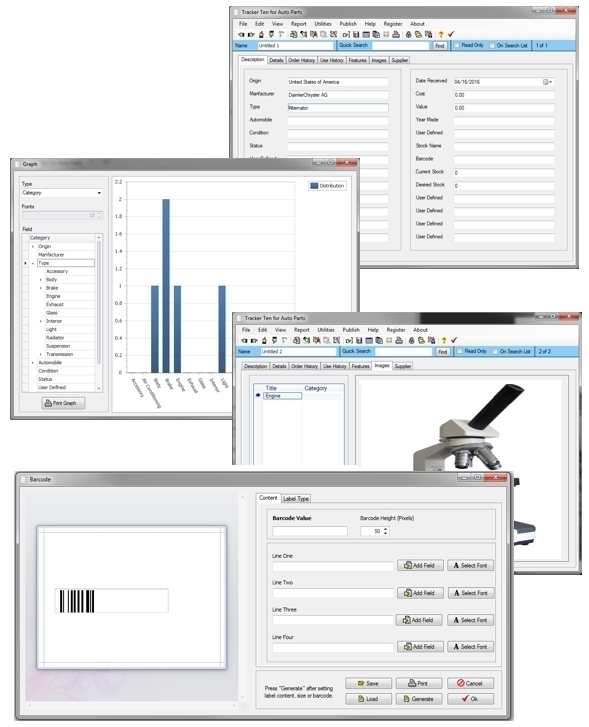
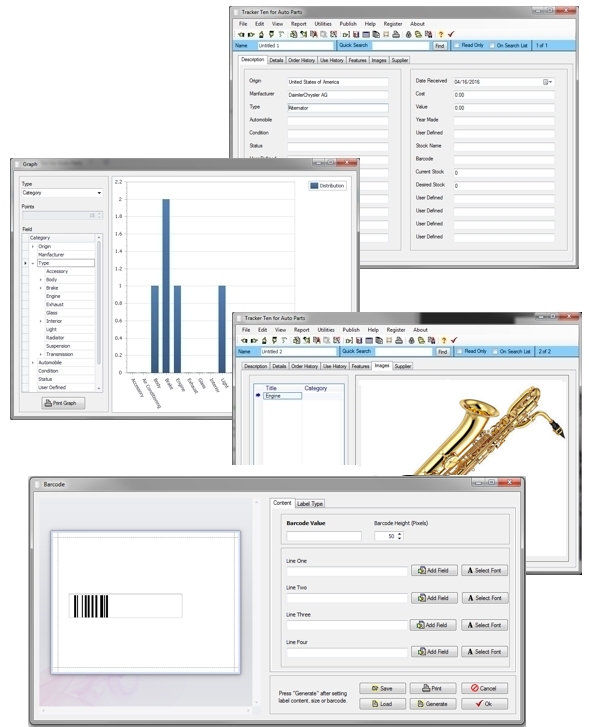
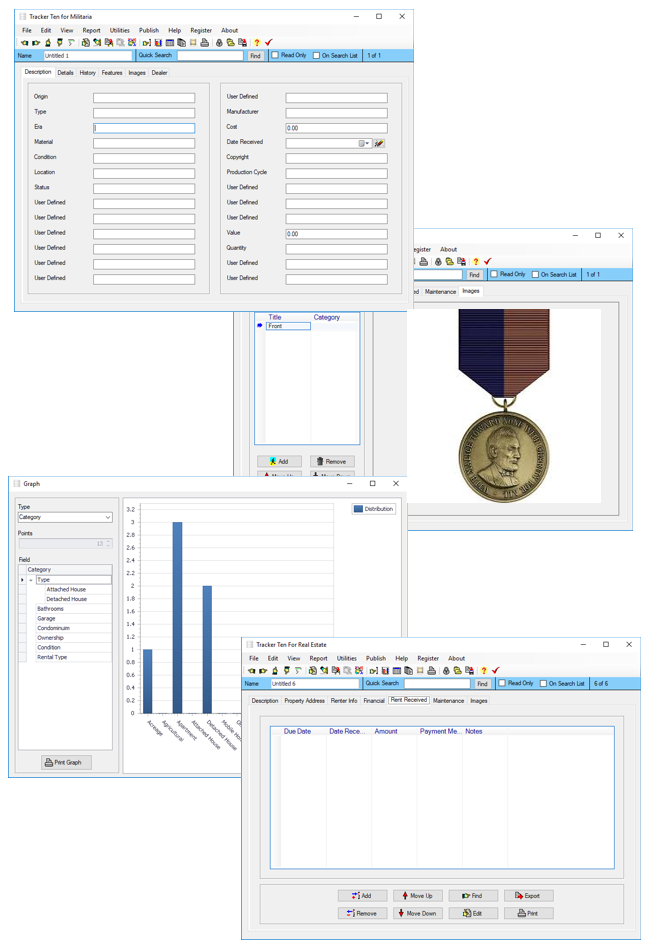
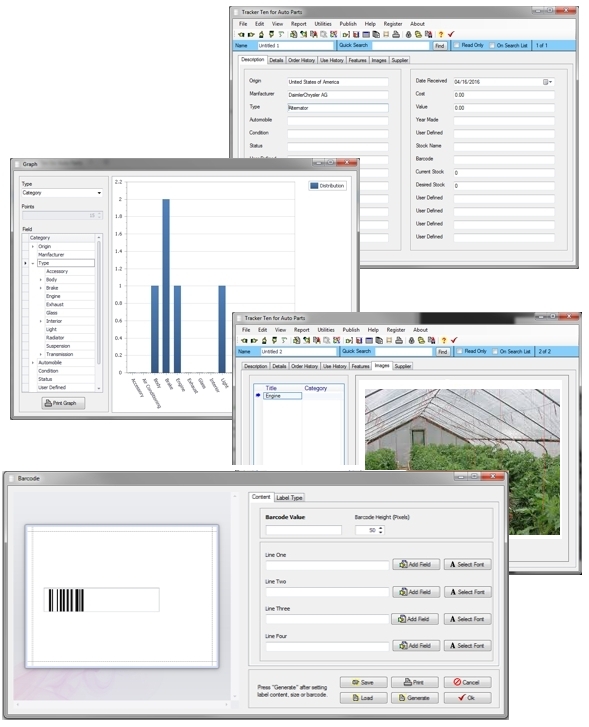
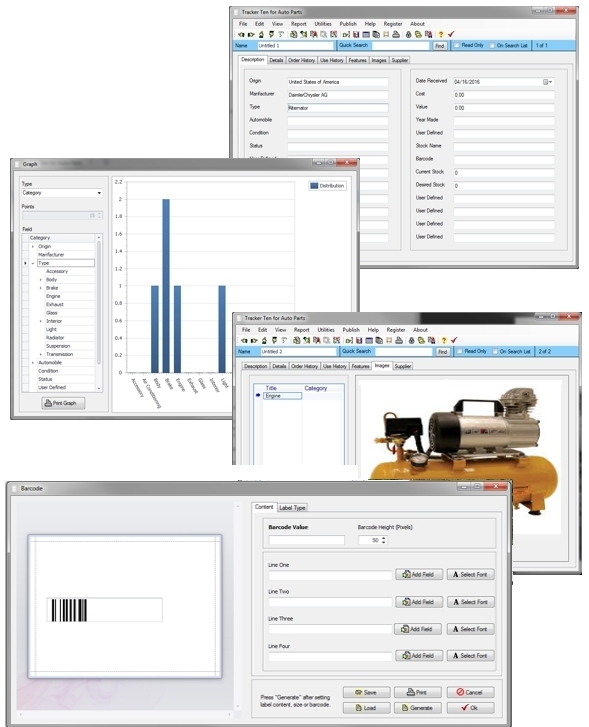
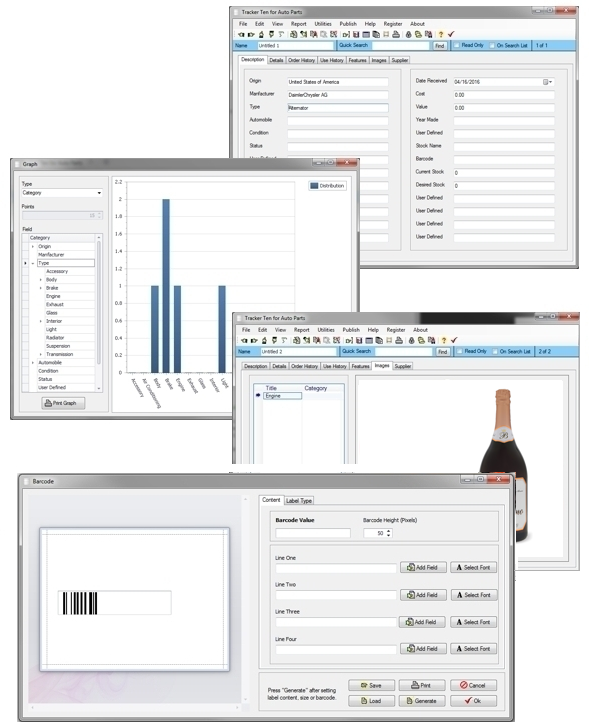
Modern software solutions can help manage food databases and inventories efficiently. Applications such as Tracker Ten allow users to log, track, and analyze food stock, manage expiration dates, and generate reports for personal, business, or emergency use. Using software streamlines data entry, prevents errors, and enables better decision-making.
Explore Tracker Ten for Food to manage your food inventory and database needs effectively. It is suitable for restaurants, retail food businesses, home pantries, and emergency preparedness, providing a centralized platform to organize and monitor your food resources.
Looking for windows database software? Try Tracker Ten
- PREVIOUS Database Normalization Sunday, July 23, 2023
- NextCollecting Movie Memorabilia Friday, July 7, 2023