Hobbies
Future Antiques
Predicting future antiques can be a fascinating yet challenging endeavor. While it is impossible to know with certainty which items will stand the test of time, historical trends, cultural shifts, and current collector behavior provide clues. Experts suggest that items from the mid-20th century, contemporary art, and emerging technologies could become highly sought-after antiques in the future. Understanding these trends can help collectors, investors, and enthusiasts identify potential valuable items today.
The rise of social media, online marketplaces, and global exposure to design and fashion trends has accelerated interest in vintage and collectible items. As a result, items that were once considered everyday objects are now increasingly viewed as potential future antiques. By observing quality, rarity, cultural relevance, and craftsmanship, collectors can make informed predictions about what will gain value over time.
Mid-Century Modern Furniture: The clean lines, minimalist aesthetic, and functional design of mid-century modern furniture make it highly collectible. Iconic designers such as Charles and Ray Eames, Arne Jacobsen, and Hans Wegner have created pieces that remain timeless. As these pieces become rarer, their desirability and market value are expected to increase. Collectors should focus on authentic pieces, especially those in good condition or with provenance.
Pop Art: Bold, colorful, and culturally significant, pop art by artists like Andy Warhol, Roy Lichtenstein, and Claes Oldenburg captures the spirit of mid-20th century popular culture. Limited editions, prints, and original artworks have already seen substantial increases in value. As pop art continues to gain recognition in museums and galleries, these works are likely to become highly prized future antiques.
Vintage Electronics: Vintage electronics, including early radios, record players, and turntables, have seen a resurgence in popularity. Original Apple products, early video game consoles, and classic stereos are highly collectible due to their nostalgia factor, limited production, and historical significance in the evolution of technology. Items in working condition or with original packaging tend to attract higher value.
Designer Fashion: High-end fashion from the 1960s, 1970s, and 1980s is increasingly recognized as collectible. Vintage Chanel, Yves Saint Laurent, and Hermès pieces, particularly those with distinctive craftsmanship or rare patterns, are likely to appreciate in value. Collectors are particularly drawn to items with authenticity certificates, limited production runs, or iconic designs.
Contemporary Art: Some contemporary artworks by emerging or mid-career artists may become future antiques. As artists gain recognition, the value of early works often increases. Collectors should focus on limited editions, unique techniques, or works featured in exhibitions and gallery collections, as these factors can influence long-term value.
Predicting future antiques is never guaranteed, as market trends, cultural preferences, and economic conditions can shift. However, investing in well-crafted, unique, and historically significant items increases the likelihood of long-term value appreciation.
Items with Surging Popularity
Items experiencing surging popularity often become valuable collectibles and potential future antiques. Current trends indicate that vintage and mid-century items, sustainable products, and culturally significant designs are particularly desirable. Observing collector communities, social media trends, and auction results can help identify these high-demand items.
Vintage Clothing: Fashion from the 1920s to the 1990s has surged in popularity, driven by interest in sustainability and unique, one-of-a-kind designs. Iconic pieces such as 1960s shift dresses, 1970s disco wear, and 1980s power suits are increasingly collectible. Rare patterns, designer labels, and limited production items are particularly sought after.
Vinyl Records: Vinyl has made a major comeback, with collectors drawn to both classic albums and limited edition releases. Records from artists such as The Beatles, David Bowie, and Prince are increasingly valuable. Original pressings, rare album covers, and records in excellent condition are especially prized.
Mid-Century Modern Furniture: As mentioned, the clean lines and functional design of mid-century modern furniture make it highly desirable. Collectors look for original pieces by renowned designers, often paying premium prices at auctions and vintage stores. Furniture with original finishes and documentation of provenance is especially valuable.
Art Deco: The luxurious and geometric designs of Art Deco from the 1920s and 1930s have regained popularity. Items such as jewelry, furniture, and decorative objects are highly collectible. Materials like chrome, lacquer, and exotic woods, combined with craftsmanship, make these items future antiques.
Japanese Ceramics: Japanese pottery and ceramics, including traditional and contemporary designs, are increasingly popular. Collectors appreciate the intricate craftsmanship, cultural significance, and historical techniques. Early pieces by renowned artists or studios are particularly valuable.
Finding Future Antiques
Identifying potential future antiques requires research, patience, and an eye for quality and rarity. Collectors must explore various sources to uncover hidden gems. Here are strategies for finding future antiques:
Estate Sales and Auctions: Estate sales and auctions offer unique opportunities to find high-quality items that may not be available elsewhere. Focus on well-crafted items, original pieces, and items with historical significance. Auctions often reveal emerging trends in collector demand.
Flea Markets and Thrift Stores: These venues can yield hidden treasures, from vintage clothing to rare collectibles. While many items are commonplace, careful research and a discerning eye can help locate pieces that may appreciate over time.
Online Marketplaces: Platforms like eBay, Etsy, and specialized collectible marketplaces provide access to rare items worldwide. Research sellers, read reviews, and verify authenticity to ensure quality purchases. Limited edition items and pieces with provenance are particularly valuable.
Contemporary Art Galleries and Exhibitions: Investing in emerging artists’ works can provide long-term value. Monitor gallery exhibitions, awards, and artist recognition. Collectors who acquire pieces early often see significant appreciation in value over time.
High-End Vintage and Antique Shops: These shops offer curated selections of rare and high-quality items. While prices may be higher, the likelihood of acquiring valuable pieces increases. Documentation, authenticity, and provenance should always be verified.
Future Antique Brands
Some brands and products are more likely to become highly collectible in the future. Items with cultural impact, high-quality craftsmanship, and limited availability often appreciate over time.
Apple: Vintage Apple products, including early Macintosh computers and iPods, are already collectors’ items. As Apple continues to innovate, older products will become increasingly rare and desirable.
Chanel: Vintage Chanel clothing and accessories maintain strong collector interest. Classic designs, limited edition releases, and iconic pieces like the Chanel 2.55 handbag are likely to increase in value.
Rolex: Certain vintage Rolex watches, particularly rare models, are highly collectible. Timeless design, craftsmanship, and historical significance contribute to their potential as future antiques.
Lego: Vintage Lego sets, especially rare editions and discontinued themes, are highly sought-after. As Lego continues to release new sets, older collections gain value among enthusiasts.
Hermès: Hermès luxury goods, including the iconic Birkin and Kelly bags, are already highly collectible. Limited production, craftsmanship, and brand reputation suggest continued future demand.
Items That May Not Become Antiques
Not all items will become valuable antiques. Understanding what is unlikely to gain future value helps collectors avoid less promising investments.
Mass-Produced Items: Common items widely available may lack the rarity needed to become valuable antiques. Exceptions exist, particularly for iconic designs or cultural milestones.
Low-Quality Items: Poorly made or cheap items may not withstand the test of time. Collectors focus on craftsmanship, materials, and durability.
Passing Trends and Fads: Items associated with temporary fads may lack lasting significance. However, certain iconic designs that originated as trends can eventually gain collector interest.
Obsolete Technology: Devices that rapidly become outdated may not hold functional or aesthetic value. Exceptions include items appreciated for design, nostalgia, or historical significance, such as vintage cameras or typewriters.
Investment Strategies for Future Antiques
Investing in potential future antiques requires strategic planning. Consider the following approaches:
Research: Study market trends, auction results, and collector communities to identify emerging valuable items.
Provenance: Items with clear history or notable ownership are often more valuable. Documentation increases trust and marketability.
Condition: Well-preserved items with minimal wear are more likely to appreciate. Restoration may increase value if done professionally.
Diversification: Investing across multiple categories, such as furniture, art, fashion, and electronics, reduces risk and increases the likelihood of obtaining future antiques.
Long-Term Perspective: Collecting for future value requires patience. Cultural recognition, rarity, and historical relevance often take decades to impact prices.
Antique Collecting Software
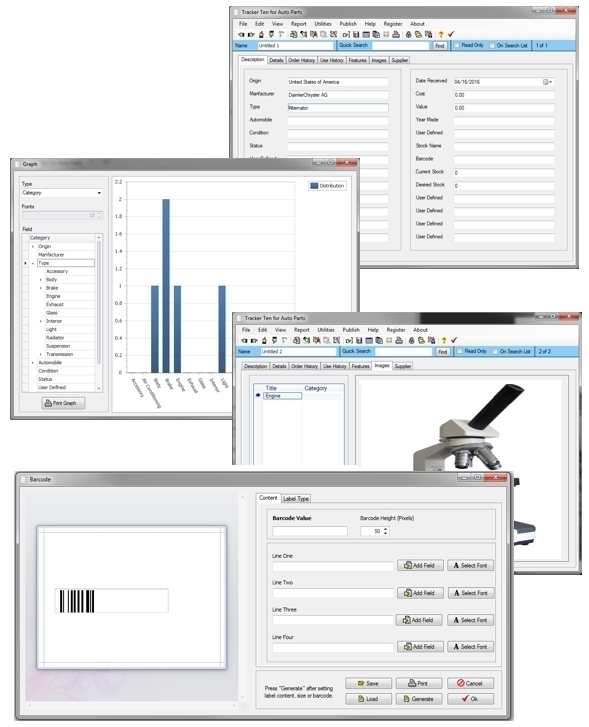
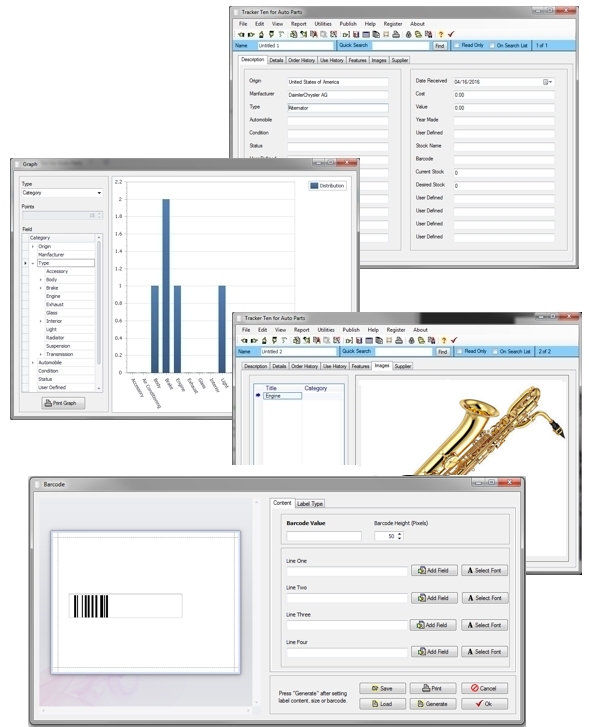
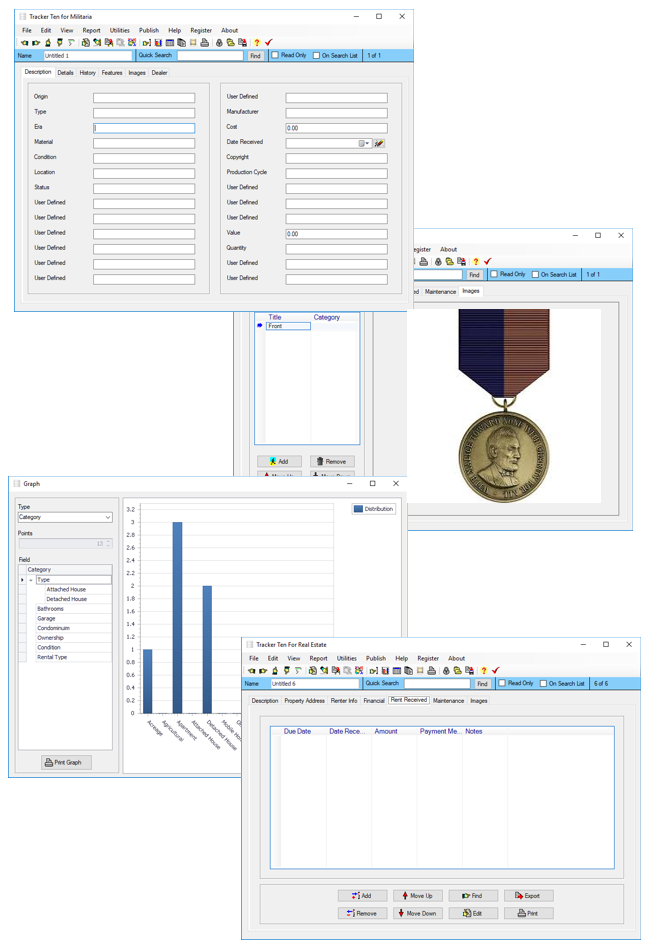
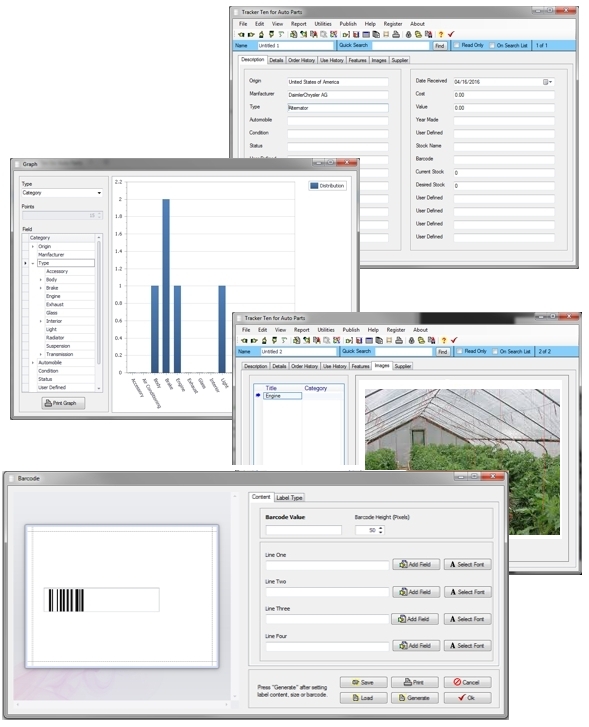
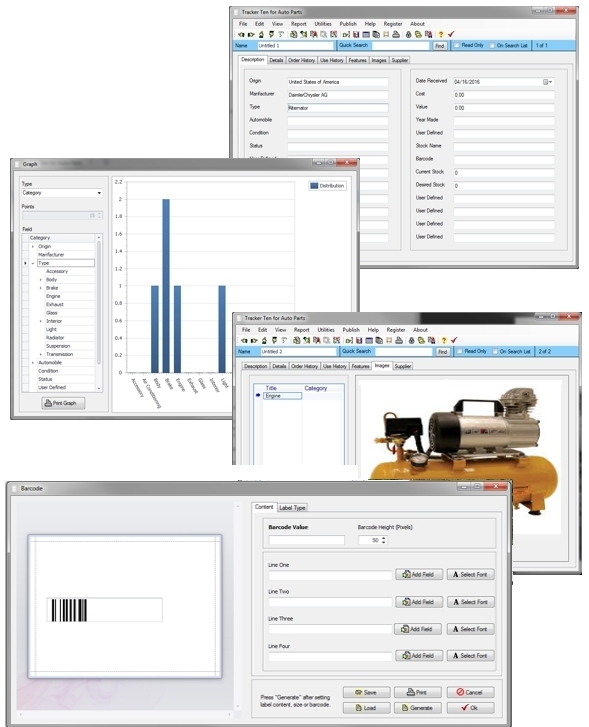
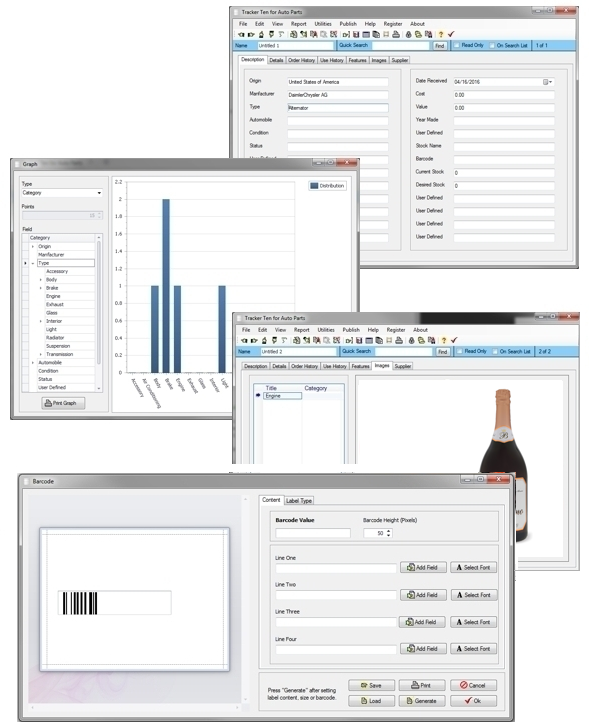
Tracking, managing, and organizing a growing antique collection can be challenging. Digital tools can help collectors maintain detailed records, monitor values, and plan acquisitions. Our Tracker Ten for Antiques software provides a streamlined solution to manage your future antique investments effectively, ensuring you track provenance, condition, and potential value trends.
Looking for windows database software? Try Tracker Ten
- PREVIOUS Tracking Your Art Collection in a Database Wednesday, November 5, 2025
- NextMaking a Full Database Backup Thursday, October 23, 2025