Database
Managing Books in a Small Library
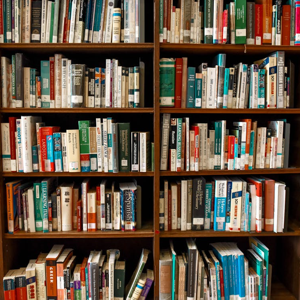
Managing a small library, whether it serves a school, community group, workplace, or private collection, requires far more organization than simply shelving books. Even modest libraries can quickly grow to include hundreds or thousands of items across multiple formats, including books, magazines, DVDs, CDs, and other media. Without a reliable system in place, it becomes difficult to know what items are available, where they are located, who has borrowed them, and when they are due back. Tracker Ten for Libraries is a full-featured database system designed specifically to address these challenges and provide small libraries with professional-grade cataloging and tracking tools.
Tracker Ten for Libraries offers a centralized solution for organizing all library materials in a single, easy-to-manage database. Rather than relying on paper records, spreadsheets, or memory, librarians can record detailed information for every item in the collection. Each record can include title, author, subject, publisher, copyright year, ISBN, date received, cost, current value, supplier, location, and extensive notes. This level of detail ensures that every item is clearly identified and easy to manage throughout its lifecycle.
One of the most important advantages of Tracker Ten for Libraries is its flexibility in handling different types of media. Small libraries often include more than just books. Magazines, reference materials, instructional videos, audio recordings, and digital media may all be part of the collection. Tracker Ten allows all of these formats to be tracked within the same system, using customizable fields and categories. This unified approach simplifies management and ensures consistency across the entire collection.
Cataloging books becomes more efficient and accurate with Tracker Ten’s structured data fields. Librarians can record key bibliographic details such as author names, subjects, and publishers, making it easier to organize and search the collection. The ability to store ISBN numbers is particularly valuable, as it allows for precise identification of editions and helps prevent confusion between similar titles. Over time, this detailed cataloging improves the overall usability of the library for both staff and patrons.
Location tracking is another critical feature for small libraries. Books and media may be stored across multiple shelves, rooms, or sections. Tracker Ten allows each item to be assigned a specific location, such as a shelf number, cabinet, or room. This makes it easier to find items quickly and ensures that returned materials are placed back in the correct spot. For libraries that reorganize or expand, location data can be updated easily without disrupting the rest of the system.
Loan tracking is where Tracker Ten for Libraries truly shines. The software allows librarians to record a complete loan history for each item, including who borrowed it, when it was checked out, and when it is due to be returned. This creates clear accountability and helps prevent items from being lost or forgotten. For patrons, a well-managed loan system improves trust and reliability, as they can be confident that records are accurate and fair.
Overdue item tracking is essential for maintaining an active and accessible library. Tracker Ten can generate reports showing which items are overdue, how long they have been out, and who currently has them. These reports make it easy to follow up with patrons and encourage timely returns. Instead of manually checking dates or flipping through logs, librarians can rely on automated reports that save time and reduce errors.
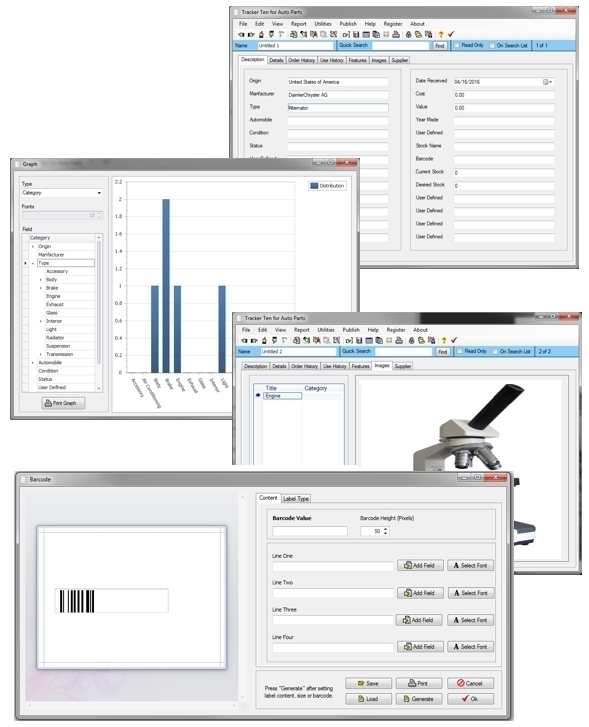
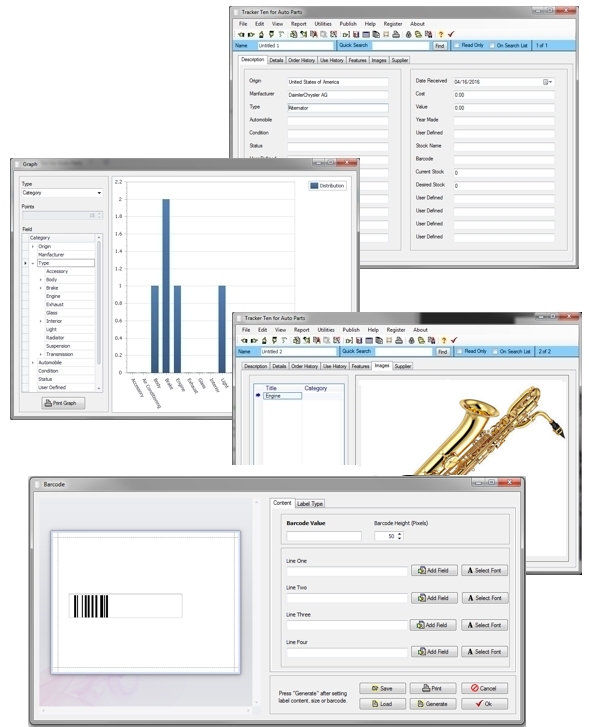
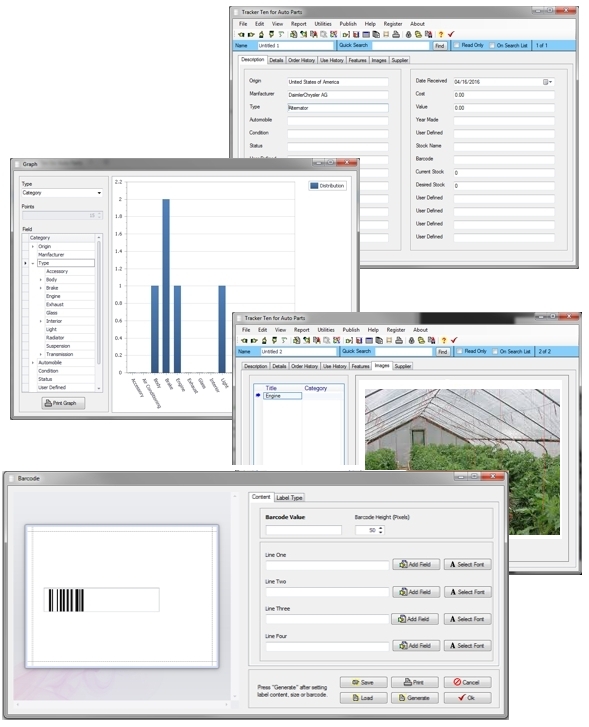
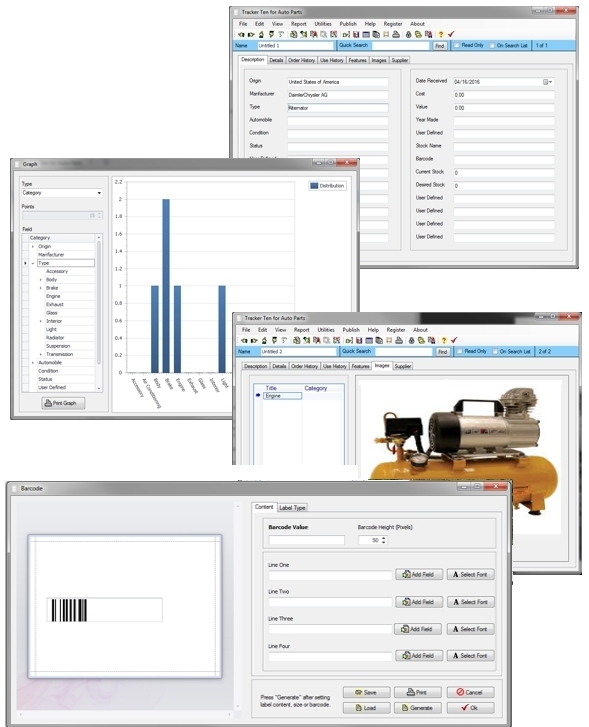
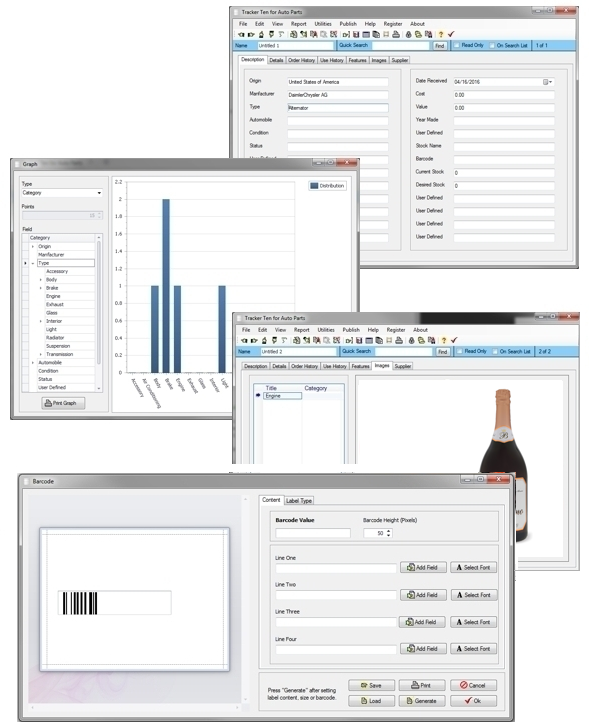
Barcode support adds another layer of efficiency to the library workflow. Tracker Ten supports most barcode readers and can automatically generate and print barcodes for library items. Once barcodes are assigned, checking items in and out becomes faster and more accurate. Scanning a barcode instantly brings up the correct item record, reducing the chance of mistakes and speeding up daily operations. This is especially useful during busy periods or when managing a growing collection.
The ability to use a barcode reader to jump directly to items in the database also improves inventory management. Librarians can quickly verify item details, update records, or check availability simply by scanning a barcode. This feature is particularly helpful during audits, shelf checks, or when resolving discrepancies between physical items and database records.
Inventory control is another major benefit of using Tracker Ten for Libraries. The software allows librarians to track minimum desired quantities and current quantities for items. While this is often associated with retail or supply management, it can be extremely useful in a library setting. For example, frequently used reference books or popular titles may need multiple copies. Tracker Ten helps identify when quantities fall below desired levels, supporting informed purchasing decisions.
Cost and value tracking support better financial management and planning. By recording the cost and estimated value of each item, libraries gain a clearer picture of their overall collection value. This information is useful for budgeting, insurance purposes, and reporting to stakeholders. In the event of theft, damage, or disaster, having accurate records makes recovery and insurance claims far more straightforward.
Image storage enhances catalog accuracy and documentation. Tracker Ten allows images to be attached to item records, such as book covers or media packaging. These images help staff visually confirm items, reduce confusion between similar editions, and create more professional records. Visual documentation is also valuable for insurance and archival purposes.
The software’s powerful search engine makes finding items quick and intuitive. Librarians can search by title, author, subject, ISBN, location, or any custom field. This flexibility ensures that even large or diverse collections remain easy to navigate. For patrons, faster searches translate into better service and a more positive library experience.
Advanced reporting is a core strength of Tracker Ten for Libraries. The software can generate a wide range of reports, from simple item lists to detailed summaries of loan activity, overdue items, and collection value. Reports can be customized to meet the library’s specific needs, whether for internal management, audits, or presentations to boards or sponsors.
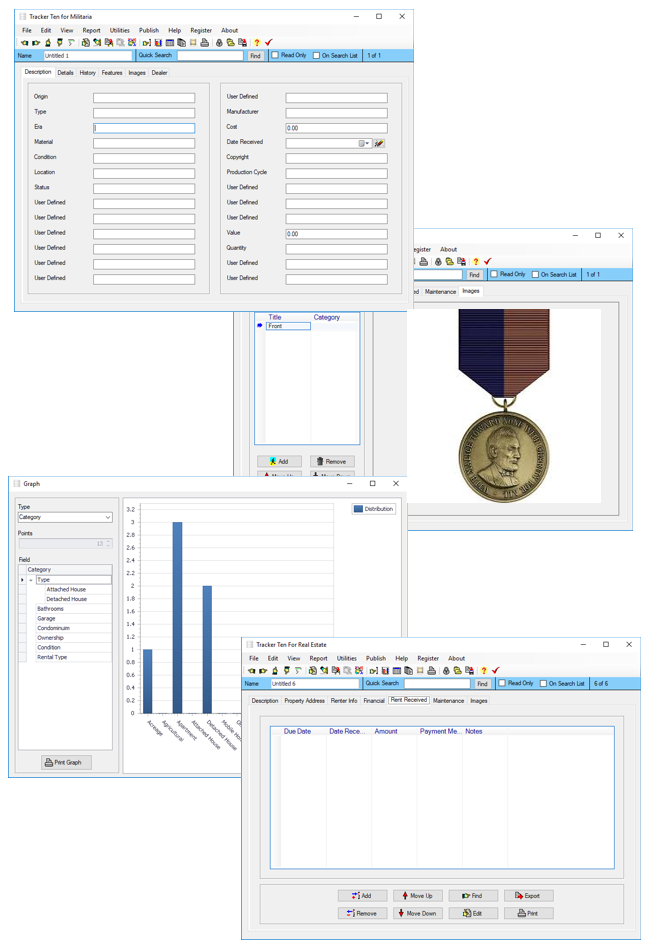
Graph generation adds visual insight to library data. Librarians can create graphs that show trends such as collection growth over time, borrowing patterns, or the distribution of items by category. These visual tools make it easier to understand how the library is being used and where improvements or investments may be needed.
Data export capabilities ensure that library data is never locked into a single system. Information can be exported for use in spreadsheets, reports, or other systems as needed. This flexibility supports transparency, collaboration, and long-term data preservation.
Customization is another key advantage for small libraries. Tracker Ten allows fields, layouts, and reports to be tailored to the library’s unique requirements. Whether tracking special collections, donated materials, or curriculum-specific resources, the system can be adapted without forcing the library into a rigid structure.
Optional web publishing extends the reach of the library beyond its physical space. Selected information can be made available online, allowing patrons to browse the catalog, check availability, or view featured items. This enhances accessibility and modernizes the library experience while keeping sensitive data secure.
In conclusion, Tracker Ten for Libraries provides small libraries with a powerful, flexible, and easy-to-use system for tracking books and other media. By combining detailed cataloging, loan history tracking, barcode support, advanced reporting, and customization, the software transforms library management into an organized, efficient, and professional process. Whether serving a school, organization, or community, Tracker Ten helps small libraries protect their collections, improve service, and operate with confidence.
Looking for windows database software? Try Tracker Ten
- PREVIOUS Organizing Your Closet Saturday, May 13, 2023
- NextComputer Hardware and Software Tracking Database Software Thursday, April 27, 2023