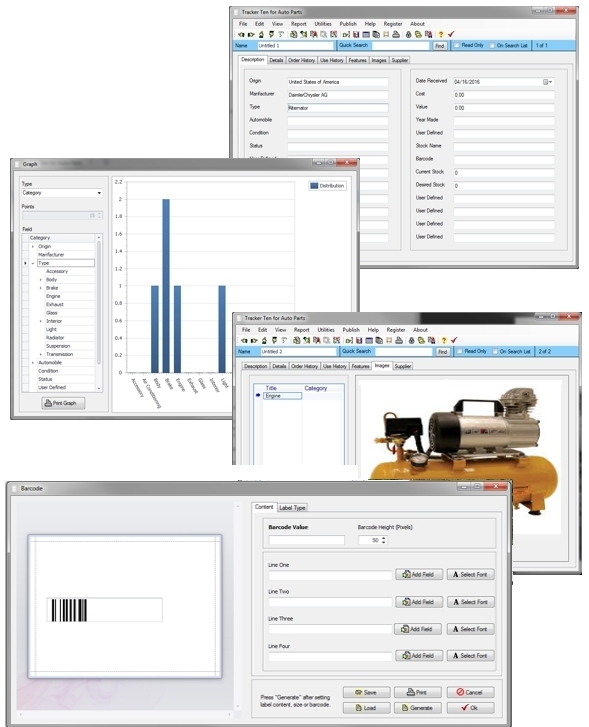
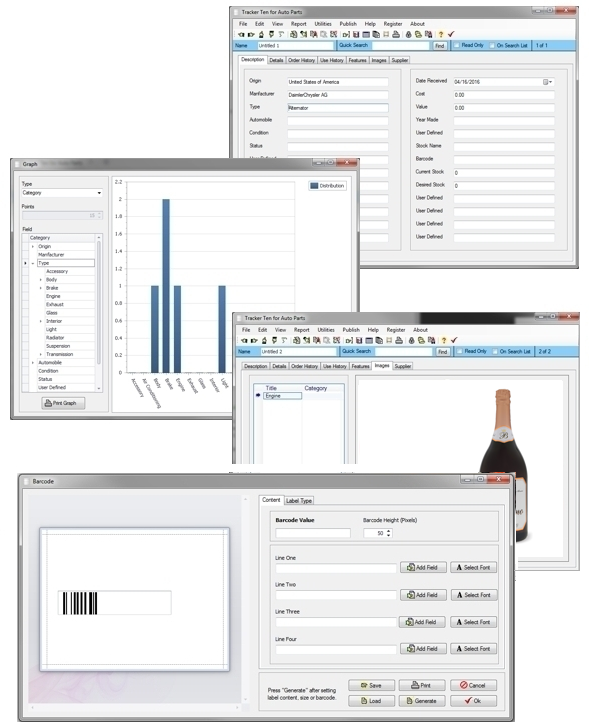
Database
Medical Equipment Inventory
Managing medical equipment inventory is a critical task in healthcare facilities. Proper inventory management ensures that all medical devices are available when needed, are functioning correctly, and are safe for patient care. Efficient inventory management not only helps reduce costs but also minimizes equipment downtime, improves operational efficiency, and ensures compliance with regulatory standards.
Below are comprehensive strategies, tips, and considerations for effectively managing medical equipment inventory in healthcare settings.
Establish an inventory management system: The first step in managing medical equipment is to create an inventory management system tailored to your facility's needs. This system should maintain a comprehensive list of all equipment, including details such as equipment type, location, serial numbers, condition, and maintenance history. Modern inventory management systems often include barcoding or RFID integration to streamline tracking and updates in real time.
Conduct regular equipment audits: Routine audits ensure that all medical equipment is accounted for and in working condition. Audits can be manual or automated, depending on facility size and resources. During audits, verify the presence, location, and operational status of each piece of equipment. Document any discrepancies for corrective action.
Schedule preventative maintenance: Preventative maintenance is essential to prolong the lifespan of medical devices and reduce unexpected breakdowns. Create maintenance schedules for each type of equipment, including calibration, cleaning, lubrication, and part replacements. Track maintenance completion dates and results to maintain compliance and reduce liability risks.
Track equipment usage: Monitoring how often and by whom equipment is used helps identify underutilized or overused devices. Usage data can guide purchasing decisions, allocate resources more effectively, and highlight opportunities for equipment sharing between departments.
Monitor equipment recalls: Stay informed about recalls issued by manufacturers or regulatory authorities. Establish protocols for promptly identifying and removing recalled equipment from use. Ensure all staff are notified and trained on recall procedures.
Keep accurate records: Maintain detailed records of equipment purchases, repairs, and maintenance activities. Accurate records allow for trend analysis, budgeting, and predictive planning for future equipment needs. Digital recordkeeping reduces errors and enables efficient reporting during audits.
Consider equipment leasing: Leasing medical equipment can be a cost-effective alternative to purchasing. Leasing allows facilities to access advanced technology without large upfront costs, and often includes maintenance and upgrades as part of the lease agreement. Evaluate leasing vs. purchasing based on cost-benefit analysis and long-term operational goals.
Prioritize equipment maintenance: Consistent maintenance ensures that equipment remains safe and functional. Develop a preventive maintenance checklist, assign responsibilities, and regularly review maintenance performance. This approach reduces unexpected downtime and increases equipment longevity.
Monitor equipment utilization: Monitor utilization rates to optimize the allocation of equipment. High-demand devices may need additional units to prevent bottlenecks, while underutilized equipment may be reallocated or decommissioned. Utilize analytics tools to assess usage trends and inform strategic decisions.
Use barcoding and RFID technology: Implementing barcode or RFID tracking systems allows real-time monitoring of equipment location and usage. This improves accountability, reduces loss or misplacement, and facilitates faster audits. Integration with your inventory management system enhances operational efficiency.
Streamline equipment purchasing: Centralize purchasing decisions, work with preferred vendors, and negotiate volume discounts to reduce costs. Standardizing equipment types can reduce maintenance complexity and ensure staff are trained on common devices.
Train staff on equipment use and maintenance: Staff training is essential for safe and effective equipment usage. Conduct regular training sessions on operation, cleaning, minor troubleshooting, and reporting malfunctions. Well-trained staff reduce the risk of accidents and equipment damage.
Develop an equipment replacement plan: Establish criteria for equipment replacement based on age, maintenance costs, and usage. Proactively replacing aging devices reduces the risk of unexpected failures and ensures continuous delivery of quality patient care.
By following these strategies, healthcare facilities can manage their medical equipment inventory effectively, ensuring operational efficiency, patient safety, and cost optimization.
Medical Equipment Safety Inspections
Routine safety inspections of medical equipment are vital to ensure devices are functioning properly and do not pose a risk to patients or staff. Safety inspections identify potential hazards early, prevent equipment failure, and maintain regulatory compliance.
Develop an inspection plan: Create a detailed inspection schedule that covers all equipment in your inventory. Specify the frequency of inspections based on device type, usage intensity, and manufacturer recommendations. Include detailed procedures for inspection and reporting.
Train inspection personnel: Ensure staff conducting inspections are trained in safety protocols, device-specific checks, and regulatory requirements. Knowledgeable personnel are more likely to identify subtle defects or early signs of malfunction.
Conduct visual inspections: Examine equipment for physical damage, wear and tear, frayed cables, cracks, or missing components. Visual inspections are a simple yet effective way to identify issues before they escalate into serious problems.
Conduct functional tests: Verify that equipment operates as intended. This may include running diagnostic tests, calibrations, or simulations. Functional testing ensures devices are ready for clinical use.
Check compliance with regulations: Ensure all equipment meets local, national, and international safety standards, including FDA regulations and Joint Commission requirements. Regular compliance checks mitigate liability and maintain facility accreditation.
Document inspections: Keep detailed records of each inspection, including date, inspector, findings, and corrective actions. Documentation aids regulatory reporting, maintenance planning, and trend analysis for equipment issues.
Consistent safety inspections protect patients, staff, and the facility, while minimizing the risk of equipment-related incidents.
Medical Equipment Financing
Medical equipment acquisition can be expensive. Financing options provide healthcare facilities with the means to acquire necessary equipment without compromising budgets or cash flow.
Assess your equipment needs: Identify essential equipment and evaluate whether upgrades or replacements are required. This analysis informs the amount of financing needed and ensures funds are allocated efficiently.
Research financing options: Explore loans, leases, vendor financing programs, and government assistance. Compare interest rates, repayment schedules, and terms to select the most cost-effective solution.
Prepare financial documentation: Organize financial statements, tax records, and credit reports. Lenders require documentation to evaluate risk and determine terms of financing.
Explore government programs: Consider programs such as Small Business Administration loans, grants, or healthcare-specific financing schemes that offer favorable terms to healthcare providers.
Negotiate with lenders: Engage in discussions to secure optimal terms, including lower interest rates, deferred payments, or bundled maintenance agreements. Strategic negotiation can significantly reduce total costs.
Consider long-term costs: Factor in maintenance, repair, and operational costs when evaluating financing options. Understanding the total cost of ownership ensures sustainable financial planning.
Financing enables healthcare facilities to maintain high-quality care without disrupting cash flow, allowing for strategic investments in advanced medical equipment.
Medical Equipment Recycling
Recycling medical equipment supports sustainability and extends the lifecycle of medical devices. Proper recycling practices benefit healthcare facilities, communities in need, and the environment.
Assess equipment condition: Evaluate whether devices can be safely reused or require dismantling for parts. Functional equipment can be repurposed; non-functional devices may be recycled for components or raw materials.
Identify recipients: Partner with healthcare organizations, charities, or aid groups that can utilize recycled equipment. Donations enhance access to medical care in underserved areas.
Ensure safety standards: Clean, sterilize, and test all recycled equipment to meet safety regulations. Ensuring device safety prevents liability and protects recipients.
Follow legal requirements: Comply with medical device regulations, privacy laws, and waste disposal rules. Proper compliance prevents legal issues and maintains organizational credibility.
Partner with reputable organizations: Work with experienced recycling partners who can manage logistics, refurbishment, and distribution effectively.
Consider sustainability: Minimize waste, recycle materials safely, and adopt environmentally friendly disposal practices.
Effective recycling promotes sustainability, supports healthcare access, and ensures responsible management of medical resources.
Medical Equipment Inventory Database Software
Tracking medical equipment manually can be time-consuming and error-prone. Database software simplifies inventory management, enabling real-time tracking, maintenance scheduling, and compliance reporting.
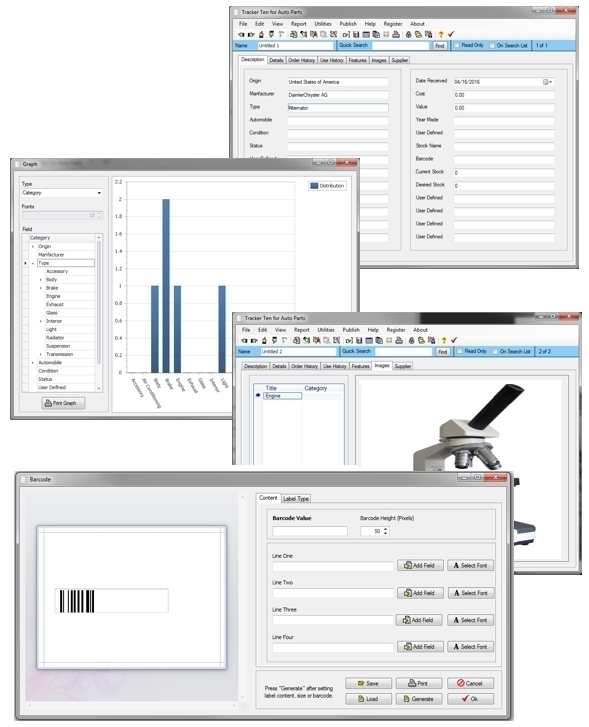
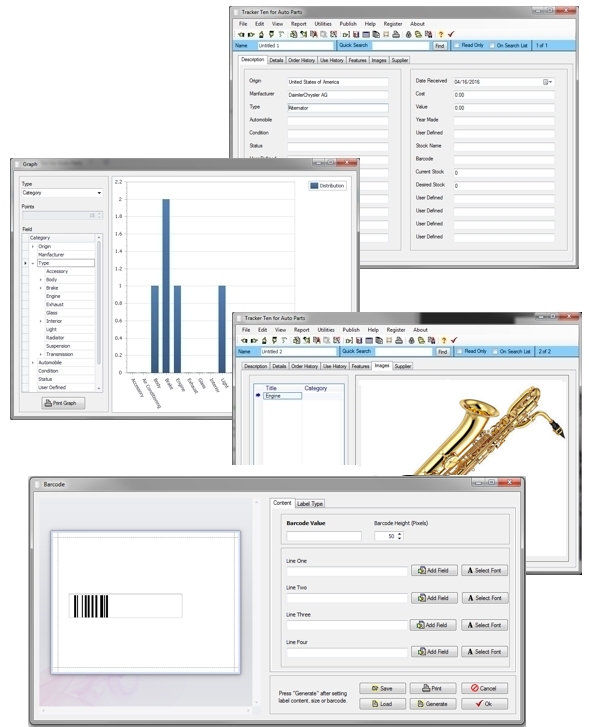
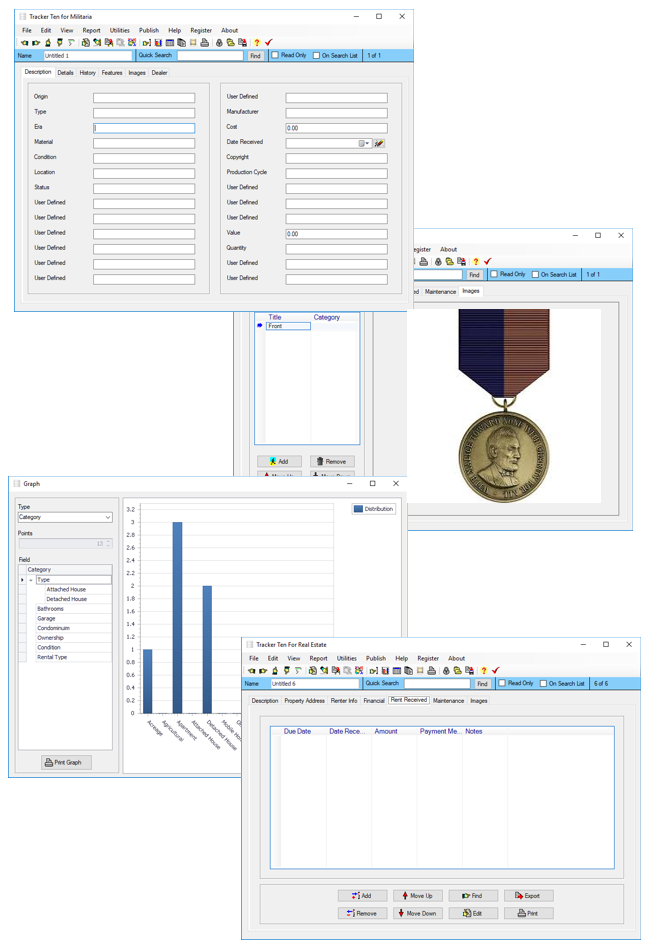
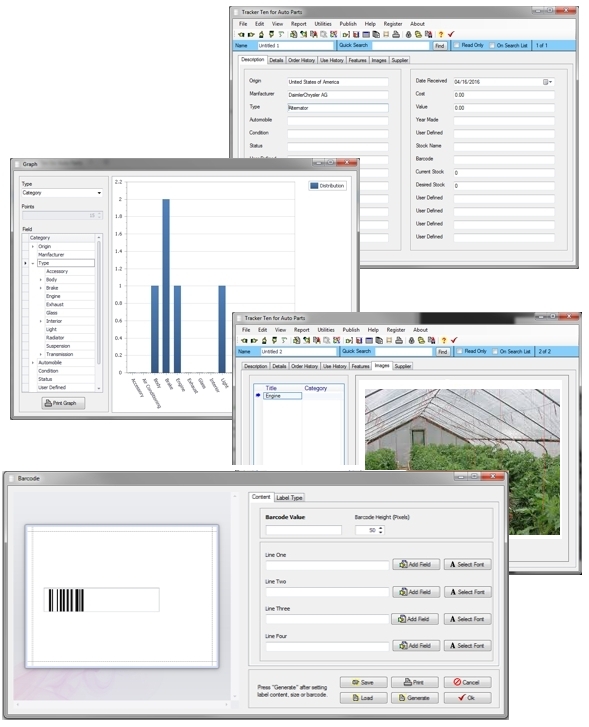
Our Tracker Ten for Medical Equipment software allows healthcare facilities to manage equipment efficiently. Features include: real-time location tracking, maintenance scheduling, audit trails, and reporting tools. By implementing database software, facilities can enhance operational efficiency, improve patient safety, and reduce equipment-related risks.
Looking for windows database software? Try Tracker Ten
- PREVIOUS Database Searching Techniques Saturday, March 23, 2024
- NextBacking Up Files On A Local File System Saturday, March 9, 2024