Home
Organizing Your Closet

Organizing your closet can significantly improve your daily routine, reduce stress, and help you make the most of your wardrobe. A well-organized closet makes it easy to find what you need, saves time, and ensures that your clothes remain in good condition. Below, we explore in detail how to organize your closet effectively, maintain it, and even use organization to save money and time.
Declutter: Start by going through every item in your closet. Remove clothes that you haven’t worn in the past year, items that no longer fit, or pieces that are damaged beyond repair. Consider donating gently used items to charities, selling them through online marketplaces like Poshmark or ThredUp, or recycling worn-out garments. Decluttering helps create space and reduces visual clutter, making your closet feel more inviting and functional.
Categorize: Organize your remaining clothes into categories such as tops, pants, dresses, jackets, and activewear. Within each category, further sort by color, season, or style. This makes it easier to find items quickly, mix and match outfits, and keep similar items together.
Use storage solutions: Invest in storage tools to optimize your closet space. This could include hangers for clothing, shelving for folded items, drawers for smaller garments, and bins for accessories. Consider shoe racks for footwear, hanging organizers for scarves and belts, and over-the-door organizers for extra space.
Label: Label shelves, bins, and sections of your closet to make finding items easier. Labels can also help other household members put things back in the right place, maintaining overall organization.
Keep it tidy: A well-organized closet requires regular upkeep. Return clothes and accessories to their designated spots after use. Periodically reassess your closet to remove items that no longer serve your needs.
By following these steps, you can transform your closet into a space that is functional, visually appealing, and easy to navigate. Maintaining this organization ensures that your wardrobe remains in top condition and simplifies daily routines.
Save Money By Organizing Your Closet
Closet organization isn’t just about aesthetics—it can also save money. Keeping track of what you own prevents duplicate purchases and ensures you use all of your clothing effectively.
Sort your clothing: Categorize items by type, such as shirts, pants, dresses, and jackets. This makes it easy to see what you already own, reducing the temptation to buy duplicates.
Purge your wardrobe: Remove items that are outdated, ill-fitting, or no longer your style. You may choose to donate, sell, or recycle them. Purging helps clarify what you truly need.
Use storage solutions: Proper storage tools—like hangers, drawer dividers, and shoe racks—make it easier to maintain visibility of your clothing and accessories.
Rotate your wardrobe: Seasonal rotation keeps your current wardrobe accessible while storing out-of-season items. This also helps preserve delicate fabrics and prevents overcrowding.
Keep an inventory: Maintain a simple inventory of your clothing. This can be a spreadsheet or a dedicated app. Knowing what you own prevents accidental purchases and helps plan outfits.
Consider a capsule wardrobe: A capsule wardrobe consists of essential, versatile pieces that mix and match easily. Limiting your wardrobe to quality essentials reduces spending while simplifying your daily routine.
By organizing your clothing, you’ll save money, optimize your wardrobe, and avoid unnecessary purchases. You’ll also extend the lifespan of your clothes by reducing wear and tear.
Caring for Your Clothes
Proper care ensures that your clothing lasts longer and looks better. With some simple steps, you can protect your investment in your wardrobe:
Read the care label: Always follow manufacturer instructions for washing and drying. Labels provide essential guidance on temperature, detergent type, and handling.
Sort your laundry: Wash whites, colors, and delicates separately to avoid damage and color bleeding.
Wash in cold water: Cold water helps preserve fabric quality, reduce shrinkage, and prevent fading.
Use the right detergent: Use gentle detergents for delicate fabrics and specialized products for wool, silk, or other sensitive materials.
Avoid the dryer: Hang clothes to air-dry whenever possible. This prevents heat damage, shrinkage, and fabric weakening.
Iron carefully: Adjust iron settings for different fabrics and always iron inside out to prevent shine and damage.
Store properly: Use appropriate hangers, fold delicate fabrics, and keep clothes in cool, dry areas to prevent wrinkles and mildew.
Mend and repair: Fix small tears or loose buttons immediately. Minor repairs prevent bigger damage and extend the life of your garments.
Proper clothing care protects your investment, saves money, and keeps your wardrobe looking fresh and presentable. It’s a key component of closet organization.
Clothing Storage Solutions
Optimizing storage is critical for an organized closet. Different items require different storage methods to maximize space and protect your clothes:
Hangers: Use wooden or velvet hangers for suits and delicate garments. Clip hangers are ideal for skirts and pants.
Shelving: Shelves work well for folded items like jeans, t-shirts, and sweaters. Adjustable shelves allow for customization as your wardrobe changes.
Drawers: Use dresser drawers or storage cubes for folded clothes. Under-bed storage can be used for seasonal items.
Hanging organizers: Store scarves, belts, jewelry, and smaller clothing items in hanging organizers to save space and maintain order.
Shoe racks: Utilize floor racks, over-the-door racks, or stackable shelves to keep footwear visible and organized.
Garment bags: Protect suits, dresses, and delicate garments with garment bags, keeping them clean and dust-free.
Vacuum-sealed bags: Store seasonal clothing or items not frequently used in vacuum-sealed bags to save space and maintain freshness.
Combining these solutions will allow you to create a closet that is both functional and visually appealing, making it easier to maintain organization over time.
Recycling Clothes
Recycling clothes is both environmentally responsible and practical. Consider the following options:
Donate: Give gently used clothes to charities or thrift stores. Many organizations also accept damaged items for textile recycling.
Upcycle: Transform old clothes into new items like rags, shorts, quilts, or tote bags. Creative upcycling extends the life of materials.
Textile recycling: Some companies process fabrics into new materials, insulation, or yarn. This reduces landfill waste and promotes sustainability.
Swap or sell: Online marketplaces and local swaps allow you to exchange clothes with others, extending the value of your wardrobe.
Repurpose: Use old garments for crafts, cleaning rags, or DIY projects, giving them a new purpose without adding waste.
Recycling and repurposing clothes supports sustainable living, reduces waste, and helps others in need while making your closet more manageable.
Clothing Tracking Database Software
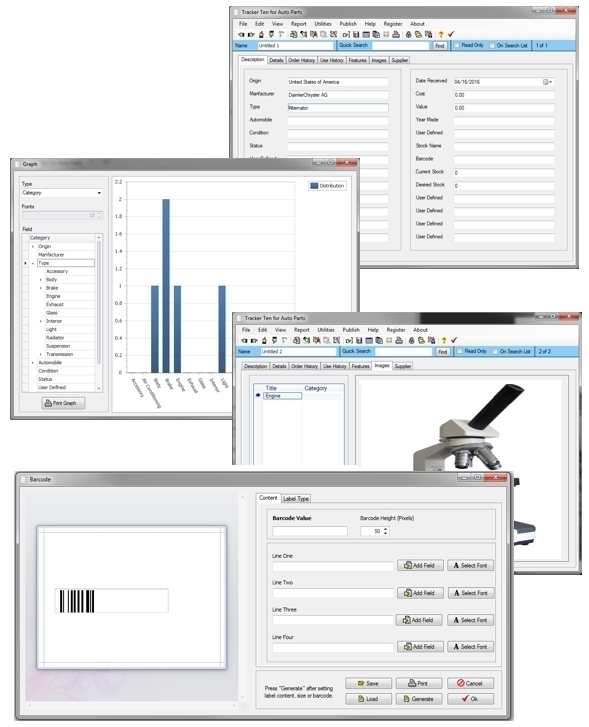
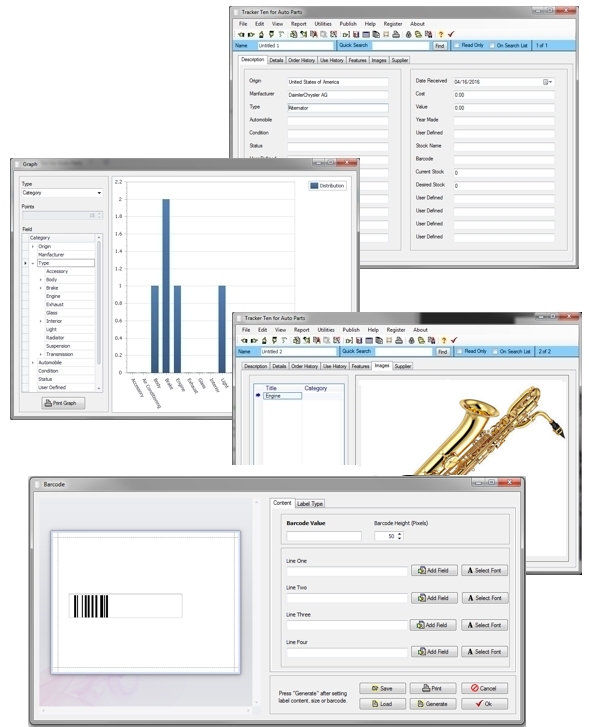
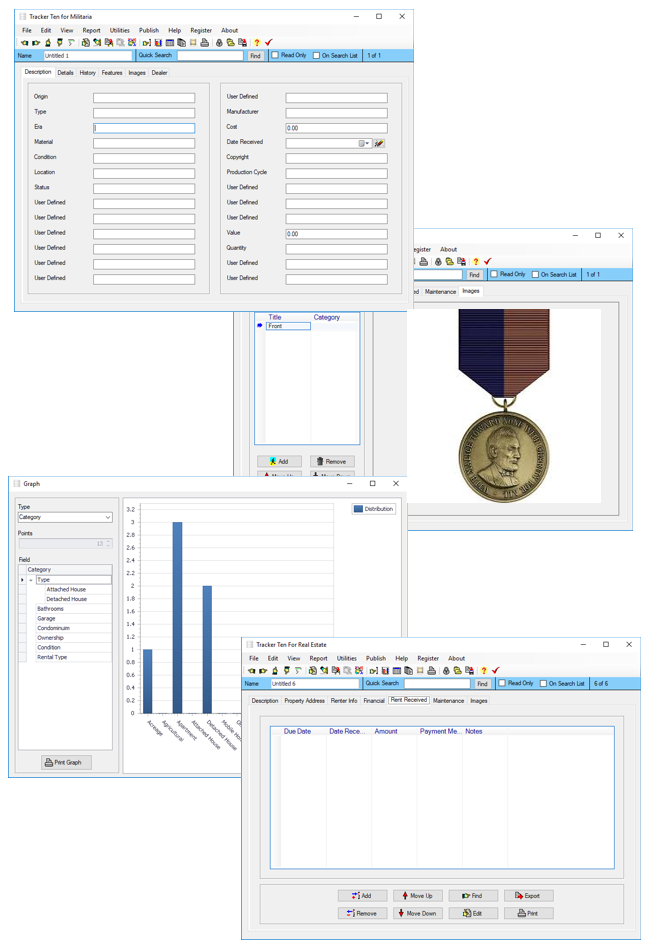
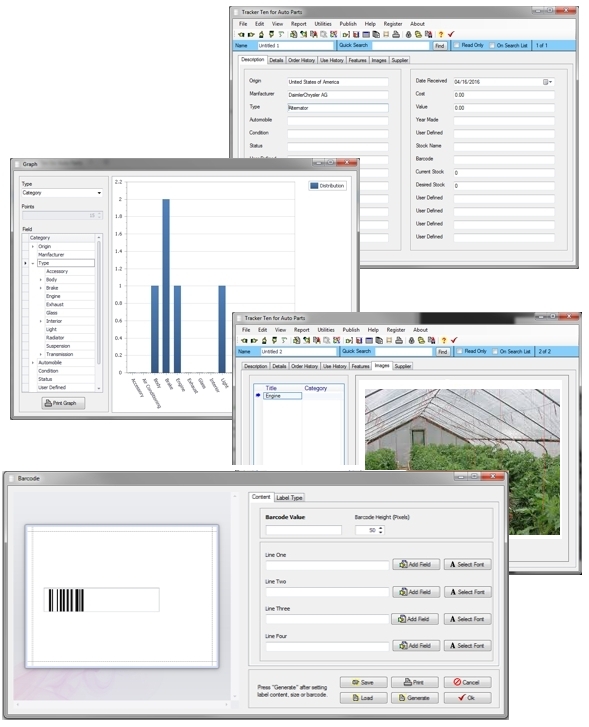
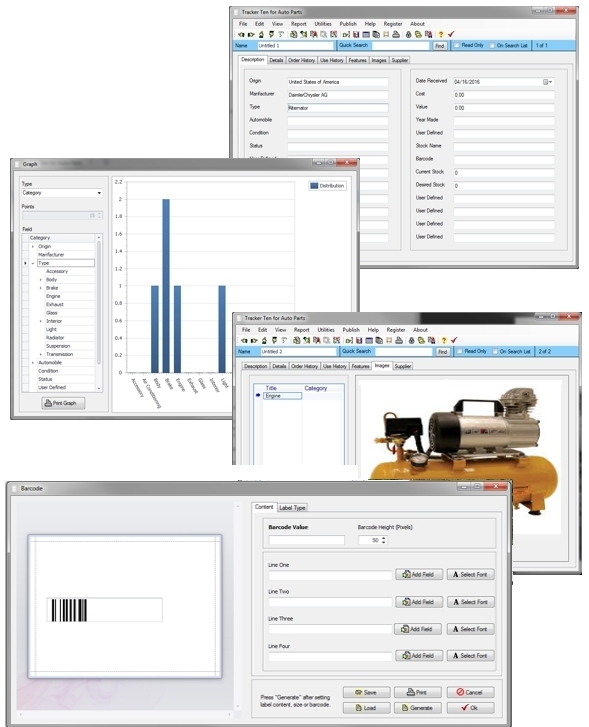
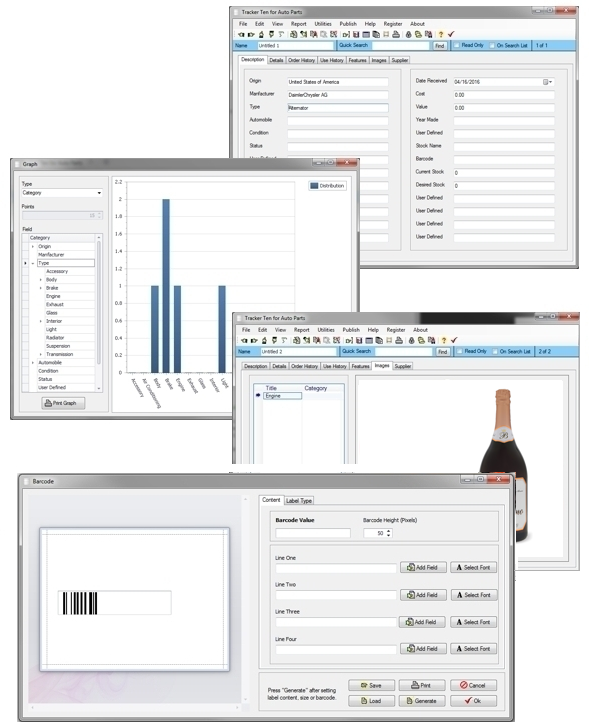
To streamline organization and maintain a clear record of your wardrobe, consider using software solutions. Tracker Ten offers Tracker Ten for Clothing and Tracker Ten for Fashion software. These tools help you track what you own, plan outfits, manage seasonal rotation, and even maintain a digital inventory for resale or donation. Software solutions make closet management efficient, save time, and maximize the value of your wardrobe.
Looking for windows database software? Try Tracker Ten
- PREVIOUS Creating a Hobby Database Saturday, May 20, 2023
- NextManaging Books in a Small Library Tuesday, May 2, 2023