Hobbies
Toy Car Collection Tracking
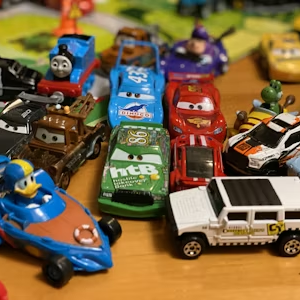
If you collect diecast toy cars such as Hot Wheels, Autoart, Matchbox, Tomica, Bburago, or Maisto, maintaining an organized collection becomes crucial. Whether you are a home collector, museum curator, gallery owner, toy store operator, or an online seller, keeping track of your collection ensures that you can fully enjoy, display, and even invest in your hobby. Collecting toy cars is not just about acquiring models—it’s about appreciating the history, design, and engineering behind each vehicle. From classic American Muscle Cars to modern electric sedans, exotic European sports cars, and even scale cargo trucks, each piece has its story and unique appeal.
The world of toy car collecting is vast. Once you start, it may be difficult to stop because of the sheer variety of makes, models, scales, and designs available. Some collectors focus on rare vintage pieces, while others enjoy completing entire series or tracking cars from a particular manufacturer. Regardless of your focus, using software to track your collection can drastically improve your ability to manage, showcase, and maintain your collection over time.
Limitations of Spreadsheets and Word Processors
Many collectors initially rely on spreadsheets or word processors to catalog their toy cars. While these tools allow you to create lists and perform simple sorts or text searches, they have significant limitations. Spreadsheets may let you alphabetize your cars, search for a specific make, or even include a single image per row, but once your collection exceeds a few hundred items, these solutions quickly become cumbersome. Managing multiple photos, tracking provenance, and comparing items across multiple criteria is nearly impossible without more sophisticated tools.
A dedicated database system can solve these challenges. Modern inventory software does not require advanced technical knowledge to use. You don’t need to understand relational database theory, SQL queries, or table normalization. Well-designed software handles all of the complex processes behind the scenes, providing an intuitive interface for entering, sorting, and retrieving information. This allows collectors to focus on the joy of collecting rather than the technicalities of data management.
Tracker Ten for Toy Cars
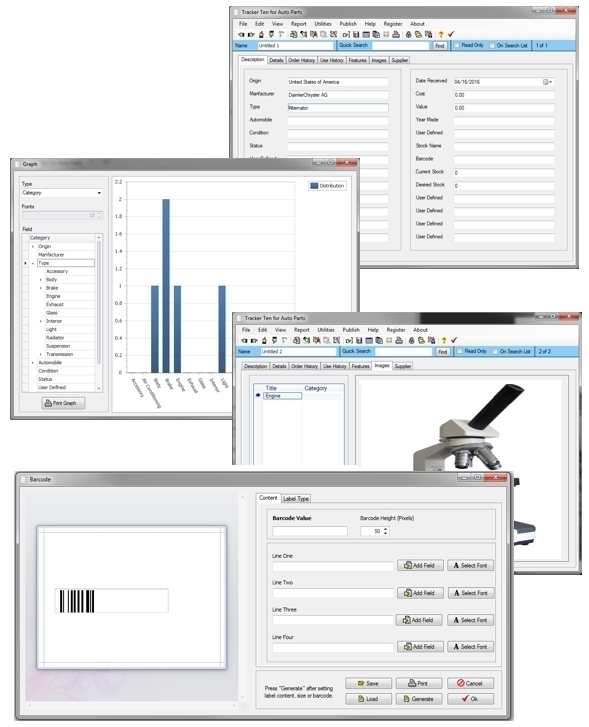
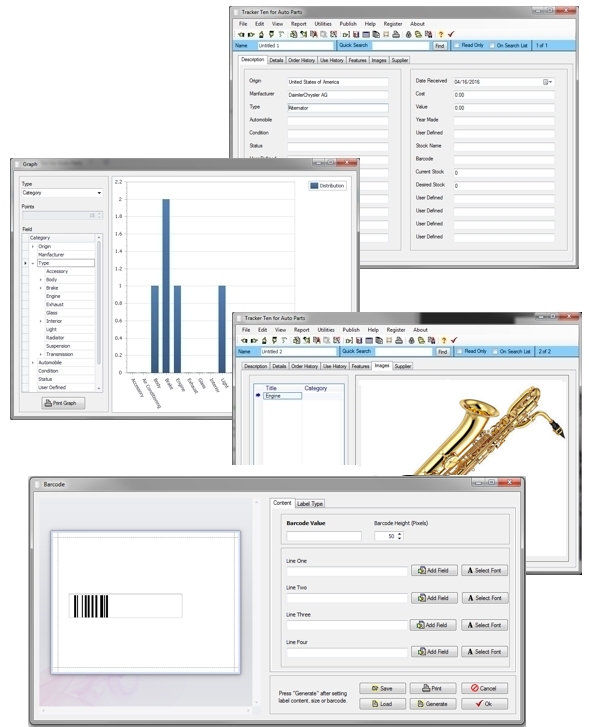
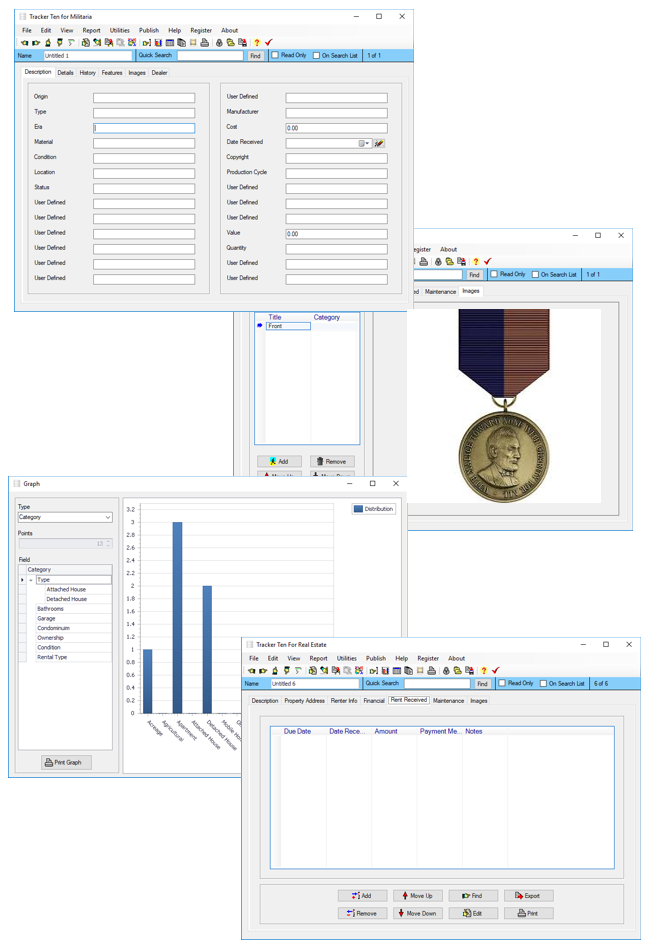
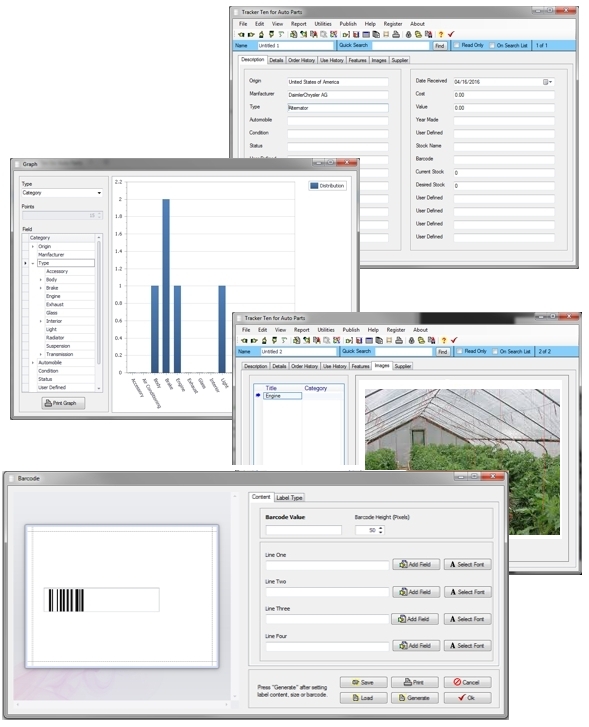
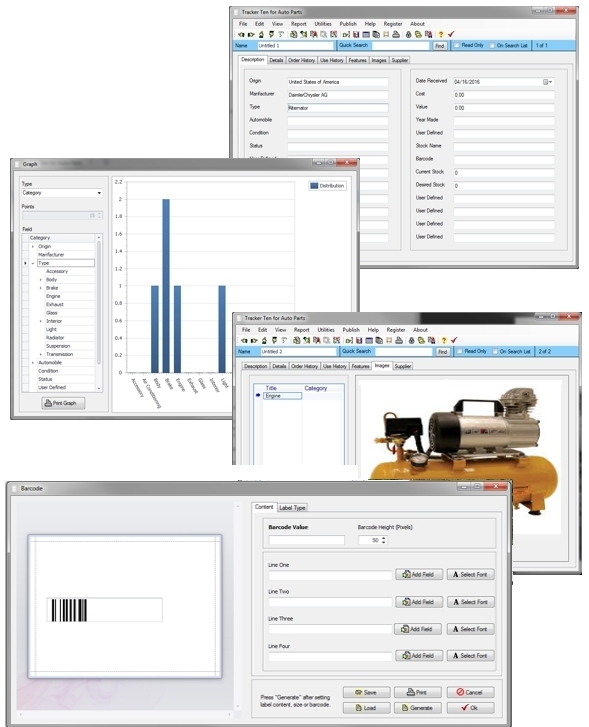
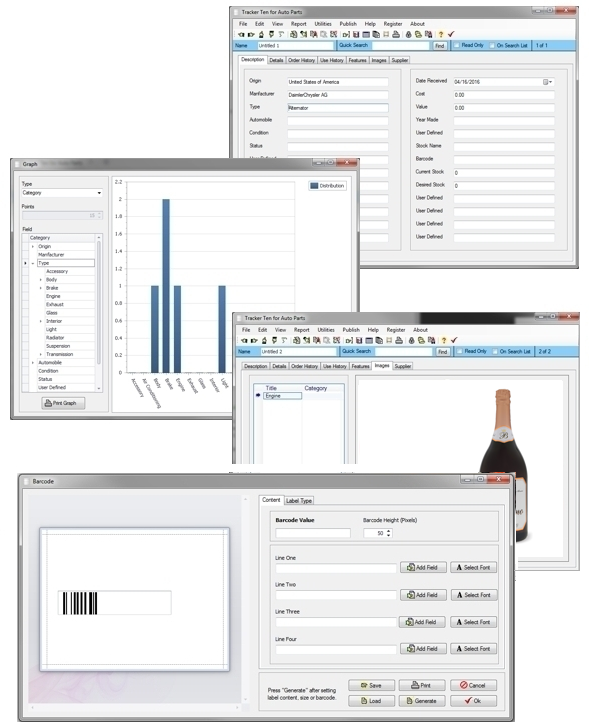
Our Tracker Ten for Toy Cars inventory database program is designed specifically for collectors. The software installs easily on most Windows systems and allows you to organize your collection efficiently. With features for searching, comparing, and reporting, you can gain complete insight into your collection. You can even generate HTML reports to share your collection online, list items for sale, or create personal catalogs.
Tracker Ten supports detailed record keeping for brands, scales, car types, styles, conditions, countries of origin, manufacturing dates, values, and more. You can also attach multiple images per item to capture different angles, including interior and exterior shots. The system provides user-defined fields, which means you can track highly specific information, such as the designer of a car, production batch number, or any other custom data important to you. The search capabilities allow for complex queries—for example, finding all 1/64 Chevrolet Corvette models made by Matchbox between 1965 and 1990, or identifying all red Ford Mustangs above a certain value.
Comprehensive Documentation
Maintaining complete records in a database helps you track the provenance, purchase history, and current valuation of each piece. You can store receipts, invoices, bills of sale, appraisal documents, and even auction catalog references. Documentation is especially important for rare or vintage items, as proper records can verify authenticity, establish historical significance, and protect against theft. For items purchased from galleries or direct from artists, tracking the source provides an additional layer of provenance that can enhance the item’s value.
Financial tracking is another critical aspect of a database. By recording your purchase prices, sale prices, and current valuations, you can calculate the net gain or loss of your collection over time. This information is invaluable for collectors who treat their collections as investments, as it provides a clear picture of financial performance and prevents unnecessary duplicate purchases.
Enhancing Enjoyment and Analysis
Beyond documentation and financial tracking, inventory software enhances the enjoyment of your collection. The ability to compare items side by side allows for analysis of car designs, evolution of body styles, and differences between manufacturers. You can compare a 1969 Dodge Challenger with a 2019 model, see the evolution of the Ford Bronco over decades, or examine the size and proportion differences between a Porsche 911 and a Ferrari. This comparative insight turns your collection into a tangible study of automotive history and design evolution.
Software also allows you to categorize by color, condition, rarity, or any other criteria. For example, you could quickly find all convertibles in your collection, all cars from a particular decade, or all vehicles in mint condition. These capabilities make managing even large collections feasible and enjoyable, allowing collectors to focus on acquiring and appreciating new items rather than struggling with organization.
Scales, Brands, and Details
Diecast toy cars come in multiple scales, including 1/64, 1/32, 1/24, 1/18, and even 1/8 for some collector-grade models. Different brands, like Hot Wheels, Matchbox, Autoart, Tomica, Bburago, and Maisto, often focus on specific scales or vehicle types. Tracking these details in a database allows you to quickly identify gaps in your collection and avoid buying duplicates. Additional information, such as country of origin, year of manufacture, and production series, provides even more context for each item.
Collectors also pay attention to car type (e.g., sedan, SUV, van, pickup) and car style (e.g., classic, muscle, exotic). Recording condition—ranging from mint, near mint, to used or damaged—is crucial for valuation. Using software ensures that all these details are organized and easily searchable. This comprehensive cataloging makes it possible to present your collection professionally, whether for personal satisfaction, insurance purposes, or resale.
Insurance and Risk Management
Large collections are often valuable, both monetarily and sentimentally. Recording each item with photos, details, and valuations provides critical documentation for insurance claims in case of theft, loss, or damage. Insurance companies may require proof of purchase, appraisals, or detailed inventories to process claims. A well-organized database ensures you can provide this information quickly and accurately.
Software like Tracker Ten also allows you to track the storage location of each item. Whether your cars are displayed on shelves, stored in boxes, or lent out for exhibitions, you can maintain a clear record of where each item is. This minimizes the risk of loss and ensures that your collection remains well-organized across multiple locations.
Collection Expansion and Planning
Tracking your collection in a database is not just about recording what you have—it’s about planning for what you want. By analyzing your database, you can identify missing models, complete series, or trends in car types and manufacturers. The software allows you to track wish lists, set acquisition goals, and manage budgets effectively. This strategic approach prevents impulsive purchases, ensures that each new addition fits into your collection’s theme, and maximizes the overall value of your collection.
Additionally, collectors who buy second-hand or vintage items can track market trends, average values, and auction results. By comparing these data points against your collection, you can make informed purchasing decisions, avoiding overpriced items or discovering undervalued gems. This analytical approach turns collecting into a more rewarding and informed hobby.
Community and Sharing
A major benefit of database software is the ability to share your collection with others. Tracker Ten can generate reports that you can publish online, allowing other collectors to view, appreciate, or trade items. Sharing your collection also fosters connections with other enthusiasts, providing opportunities for networking, learning about rare models, and participating in trading communities. Some collectors also use these reports for exhibitions or to display at conventions, enhancing the visibility and prestige of their collection.
Sharing detailed inventories can also facilitate sales. By presenting a clear, well-documented catalog, buyers can make informed decisions and trust the authenticity and condition of your items. This reduces disputes, speeds up transactions, and increases the likelihood of achieving fair market value.
Long-Term Maintenance and Growth
Maintaining a database also supports the long-term growth of your collection. Over time, as your collection expands, the ability to search, filter, and compare items becomes increasingly important. Database software provides the tools to manage large collections without feeling overwhelmed, keeping all information accessible and organized. Historical records, such as past valuations or sales data, also allow you to analyze trends, track investment growth, and make strategic decisions about future acquisitions.
Collectors often start small, with a few favorite models, and gradually expand into multiple brands, scales, and series. A robust database grows with you, adapting to new categories, fields, and tracking requirements. It ensures that even as the complexity of your collection increases, you can continue to manage it efficiently and enjoyably.
Conclusion
Collecting toy cars is a passion that combines an appreciation for automotive history, design, and craftsmanship. But without proper organization, even the most dedicated collector can find themselves overwhelmed by the sheer volume of items. Using dedicated database software like Tracker Ten for Toy Cars allows you to catalog every aspect of your collection, from photographs and provenance to purchase prices, valuations, and storage locations. By maintaining a detailed, searchable, and shareable inventory, you can enjoy, protect, and even monetize your collection effectively. Start organizing your toy cars today, and transform your collection from a simple hobby into a comprehensive, well-documented archive that will grow in value and enjoyment for years to come.
Looking for windows database software? Try Tracker Ten
- PREVIOUS Scientific Lab Equipment Sunday, June 4, 2023
- NextHistory of Databases Tuesday, May 30, 2023