Database
Livestock Tracking Software
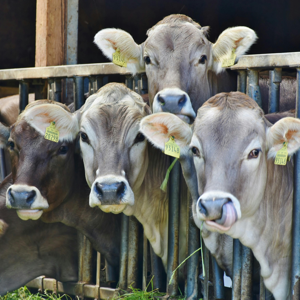
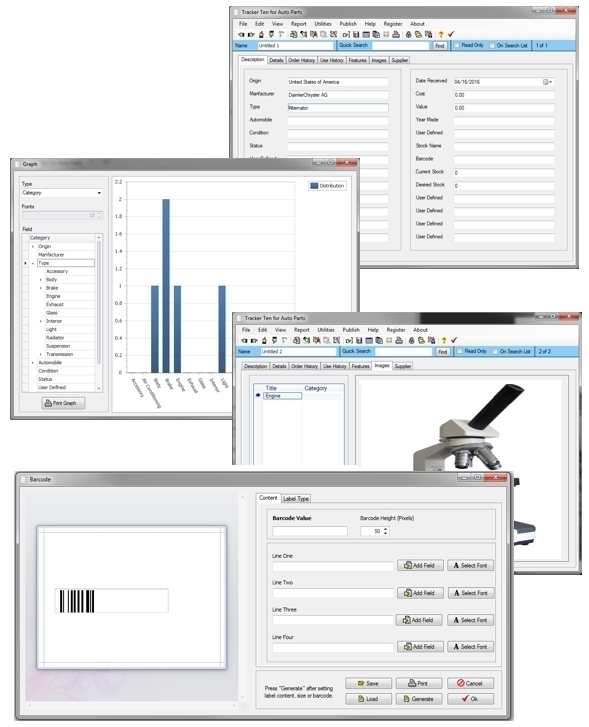
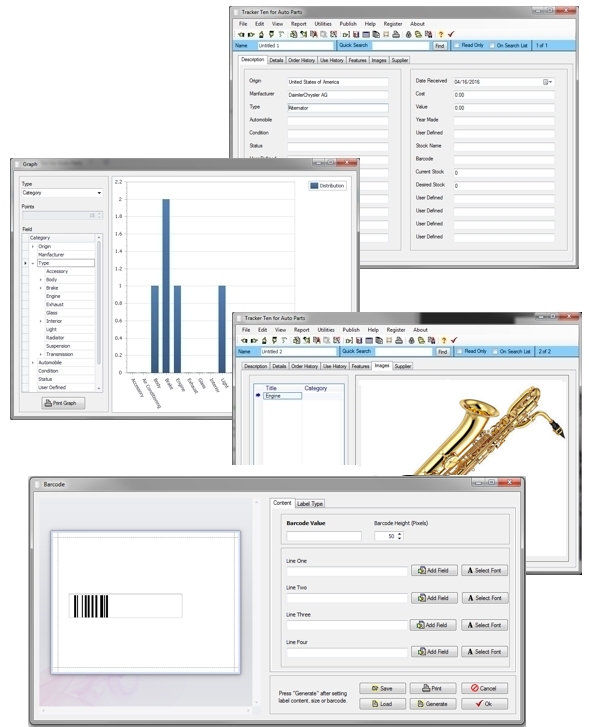
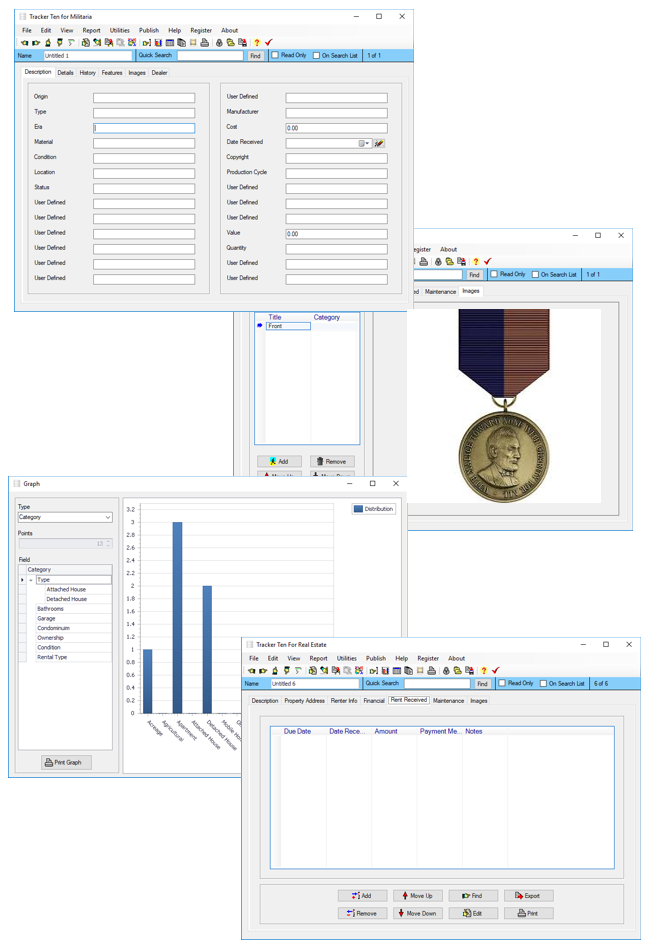
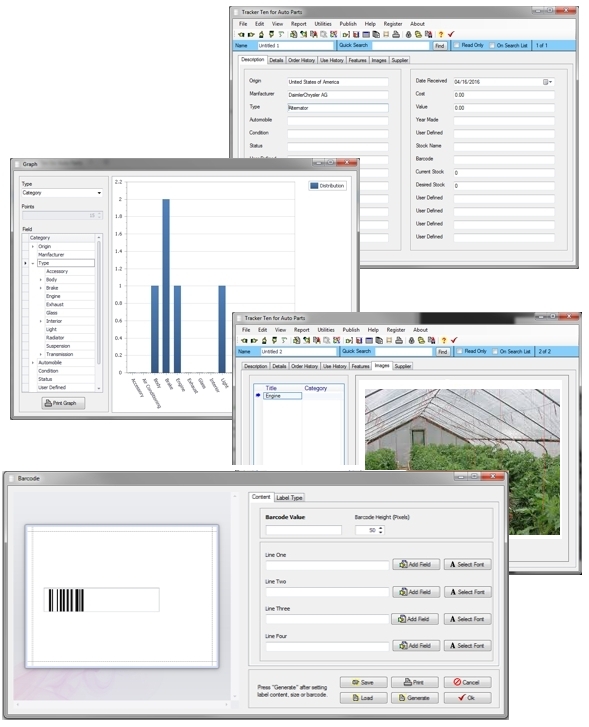
Tracking livestock accurately and efficiently is a cornerstone of successful ranching and farming operations. Whether managing a small family farm or a large commercial ranch, livestock producers must maintain detailed records to support animal health, breeding decisions, regulatory compliance, and financial performance. Paper records and basic spreadsheets often become fragmented, inconsistent, or difficult to scale as herds grow. Tracker Ten for Livestock offers a centralized, flexible, and easy-to-use database system designed to simplify livestock management while providing deep insight into every animal under care.
At its foundation, Tracker Ten for Livestock is built to record comprehensive animal profiles. Each animal can have a dedicated record containing identifying details such as ID numbers, brands, type, size, and origin. This ensures that every animal is uniquely identifiable and traceable throughout its life cycle. For operations that manage multiple breeds or species, having standardized yet customizable records reduces confusion and improves accuracy. Over time, this detailed identification data becomes invaluable for audits, sales, breeding analysis, and operational planning.
One of the most powerful features of Tracker Ten for Livestock is its ability to track weight and growth history. Regular weight measurements are essential for monitoring animal health, optimizing feed programs, and determining the right time for sale or breeding. The software allows users to record weight data over time, creating a historical growth profile for each animal. This makes it easy to identify growth trends, spot underperforming animals early, and compare performance across groups. Consistent growth tracking supports better nutrition management and can significantly improve overall herd productivity.
Medical history tracking is another critical component of livestock management, and Tracker Ten excels in this area. Each animal’s record can include detailed medical information such as vaccinations, treatments, illnesses, medications administered, and veterinary visits. Maintaining accurate medical histories helps ensure animals receive proper care and supports compliance with animal welfare standards and agricultural regulations. It also allows ranchers to quickly identify recurring health issues or genetic predispositions, improving long-term herd health and reducing veterinary costs.
Breeding and lineage tracking is especially important for operations focused on genetics and herd improvement. Tracker Ten allows users to record relationships between animals, including female parent, male parent, and offspring. This lineage information supports informed breeding decisions by helping avoid inbreeding and identify desirable genetic traits. Over generations, the database becomes a valuable genetic record that supports selective breeding programs, performance analysis, and herd optimization.
Cost and financial tracking are integral to understanding the true profitability of livestock operations. Tracker Ten enables users to record cost price, sell price, and other financial data for each animal. This makes it possible to analyze profitability at the individual animal level rather than relying solely on herd averages. By comparing acquisition costs, ongoing care expenses, and final sale prices, producers gain clearer insight into which animals or breeding lines deliver the best returns. This financial visibility supports smarter investment and culling decisions.
Origin tracking is another important feature, particularly for traceability and biosecurity. Knowing where animals came from, whether purchased from another ranch, bred on-site, or acquired through auction, helps manage disease risk and supports traceability requirements. In the event of a health issue or regulatory inquiry, having accurate origin records can save time and reduce liability. Tracker Ten keeps this information easily accessible within each animal’s profile.
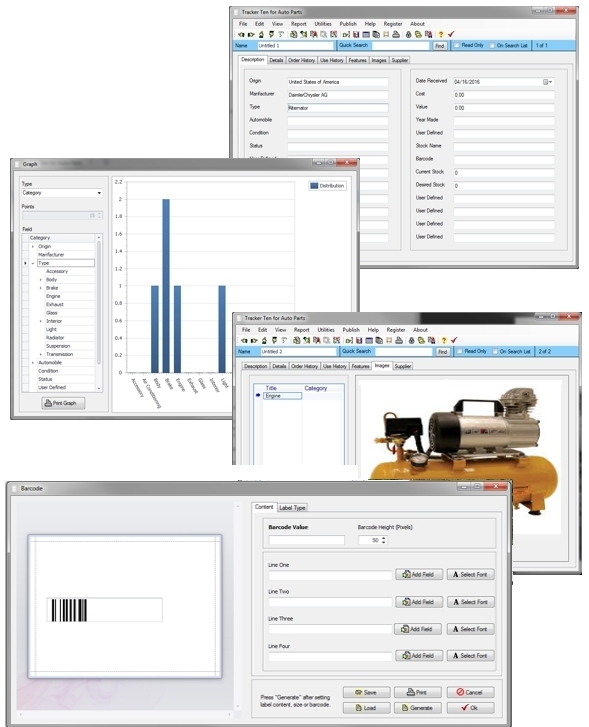
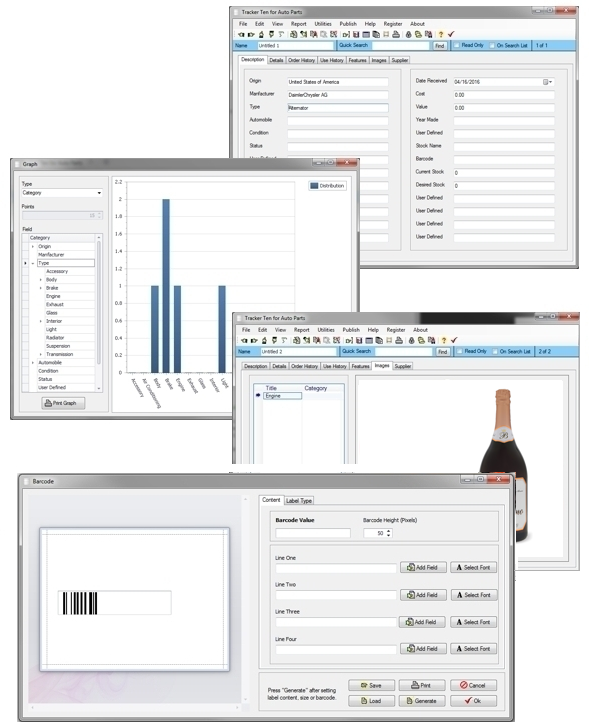
One of the standout capabilities of Tracker Ten for Livestock is its support for rich documentation. Users can attach up to 100 pictures or document scans to each animal record. Photos can be used to document physical condition, markings, injuries, or growth changes over time. Scanned documents might include registration papers, health certificates, test results, or sale contracts. Having all related documentation stored directly with the animal’s record eliminates the need to search through filing cabinets or multiple digital folders.
The flexibility of Tracker Ten makes it suitable for a wide range of livestock operations. Because fields can be customized, the software adapts easily to different species and production models. Cattle, sheep, goats, pigs, horses, poultry, and even exotic or specialty livestock can all be tracked using the same system. Users can add custom fields to capture species-specific data such as wool quality, milk production, egg yield, or performance metrics relevant to their operation. This adaptability ensures the software remains useful as operations evolve or diversify.
Ease of use is a major advantage of Tracker Ten, particularly in agricultural environments where time and resources are limited. The interface is designed for straightforward data entry and retrieval, allowing users to update records quickly without technical expertise. This encourages consistent recordkeeping, which is essential for maintaining accurate and reliable data. When records are easy to maintain, they are more likely to be kept up to date, increasing their value for decision-making.
Centralized livestock data also supports better planning and forecasting. By reviewing historical records, producers can identify trends related to growth rates, health issues, breeding success, and market timing. This data-driven approach allows for more precise feed planning, staffing decisions, and financial forecasting. Over time, the insights gained from Tracker Ten can lead to measurable improvements in efficiency and profitability.
For ranches with multiple staff members or family members involved in operations, having a single, consistent system reduces miscommunication. Everyone works from the same set of records, minimizing errors caused by outdated or incomplete information. Clear records also make it easier to train new staff and maintain continuity when responsibilities change.
Regulatory compliance is another area where Tracker Ten provides value. Many regions require livestock producers to maintain accurate records related to animal identification, treatments, and movement. Having this information organized and readily available simplifies inspections and reporting. In some cases, detailed records can also support certifications related to organic farming, animal welfare, or quality assurance programs.
Beyond day-to-day management, Tracker Ten supports long-term strategic decision-making. As years of data accumulate, producers can evaluate which practices deliver the best results and which need adjustment. This might include refining breeding strategies, changing feed programs, or investing in higher-performing genetic lines. The ability to base decisions on real data rather than intuition alone is a significant competitive advantage.
In conclusion, Tracker Ten for Livestock is a powerful and adaptable tool for tracking animals across all stages of their life cycle. By combining detailed animal profiles, growth and medical history tracking, breeding and lineage records, financial data, and rich documentation, the software provides a comprehensive view of livestock operations. Its flexibility, ease of use, and customization options make it suitable for farms and ranches of all sizes and livestock types. By centralizing information and turning data into actionable insight, Tracker Ten helps producers improve animal health, operational efficiency, and overall profitability in a demanding and ever-evolving agricultural landscape.
Looking for windows database software? Try Tracker Ten
- PREVIOUS What is Metadata Monday, September 16, 2024
- NextFinding a Consultant to Create a Desktop Database Tuesday, August 20, 2024