Hobbies
Wine Collecting
Wine collecting, often referred to as wine cellar management, is the practice of acquiring, organizing, storing, aging, and ultimately enjoying or selling wine over time. For some people, wine collecting is a deeply personal hobby rooted in sensory enjoyment, culture, and curiosity. For others, it is a disciplined investment strategy driven by scarcity, market trends, and long-term value appreciation. In reality, wine collecting often sits somewhere between passion and practicality, blending pleasure with planning.
Unlike many other collectibles, wine is a living product. It evolves in the bottle, responding to its environment and aging in ways that can either enhance or destroy its quality. This dynamic nature is part of what makes wine collecting so fascinating—and so challenging. A well-managed collection can provide years or even decades of enjoyment, while poor decisions around purchasing or storage can quickly diminish both value and drinking pleasure.
Wine collecting does not require vast wealth or a climate-controlled underground cellar. Modern technology, better access to information, and global wine distribution have made it easier than ever for collectors at every level to participate. Whether you are building a modest personal collection of favorite bottles or assembling a carefully curated cellar of rare vintages, understanding the fundamentals of wine collecting will help you make smarter decisions and get more satisfaction from the process.
At its core, wine collecting involves several key activities: selecting wines with intention, storing them under appropriate conditions, tracking inventory accurately, understanding aging potential, and knowing when to open or sell a bottle. Each of these components plays an essential role in ensuring that your collection remains enjoyable, organized, and valuable over time.
One of the most important principles for any wine collector is intentionality. Collecting wine without a clear sense of purpose—whether that purpose is enjoyment, education, or investment—often leads to overcrowded storage, forgotten bottles, and missed opportunities. A thoughtful approach helps transform random purchases into a meaningful collection that reflects your tastes, goals, and lifestyle.
Wine collecting is also a journey of learning. As you explore different grape varieties, regions, producers, and vintages, your palate evolves. Wines that once seemed impressive may later feel unbalanced, while subtle or understated bottles may grow in appeal. This evolution is natural and one of the most rewarding aspects of collecting. A good collection is rarely static; it grows and changes along with the collector.
Another defining aspect of wine collecting is patience. Unlike spirits or many other beverages, most fine wines are not intended for immediate consumption. They often require years of aging before reaching their peak. This delayed gratification is part of the allure, but it also requires discipline. Opening a bottle too early can result in disappointment, while waiting too long can mean missing the wine’s optimal drinking window.
For those interested in wine as an investment, collecting introduces additional considerations such as provenance, market demand, critic scores, and global economic conditions. While some wines have demonstrated impressive long-term appreciation, wine investment carries risks and requires careful research. Most experts agree that even investment-focused collectors should genuinely enjoy wine, as the ultimate value of any bottle is realized when it is opened.
Regardless of your motivation, successful wine collecting is built on a foundation of knowledge, organization, and respect for the product. By understanding how wine behaves over time and how different factors influence its quality and value, collectors can make informed decisions that enhance both enjoyment and outcomes.
In the sections that follow, we will explore essential aspects of wine collecting in greater depth, including budgeting strategies, types of wine, major wine regions, proper storage techniques, valuation principles, and the role of modern software in managing a collection. Together, these elements form a comprehensive guide to building and maintaining a wine collection that brings lasting satisfaction.
Getting Started with Wine Collecting
Beginning a wine collection can feel overwhelming, especially given the sheer number of wines available worldwide. Thousands of grape varieties, countless producers, and new vintages released every year create a vast landscape of choices. The key to getting started is to focus on simplicity, curiosity, and gradual growth rather than trying to build a comprehensive collection all at once.
One of the first steps in wine collecting is setting a realistic budget. Wine collecting can be as affordable or as expensive as you choose, but without a budget, costs can escalate quickly. A clear budget helps guide purchasing decisions and encourages thoughtful selection rather than impulse buying. Many excellent wines suitable for aging can be found at moderate price points, particularly from emerging regions or lesser-known producers.
Starting with the basics is another important principle. Rather than immediately pursuing rare or expensive bottles, new collectors benefit from exploring well-known grape varieties and classic wine regions. These wines provide a reference point for understanding structure, balance, and aging potential. Over time, this foundational knowledge makes it easier to evaluate more obscure or experimental wines.
Buying wines that you enjoy is essential. While it can be tempting to chase highly rated bottles or follow market trends, a collection that does not align with your personal taste is unlikely to bring satisfaction. Your preferences should guide your purchases, even if those preferences change over time. Collecting wine should ultimately enhance your enjoyment, not feel like an obligation.
Record-keeping is another early habit worth developing. Even a small collection can become difficult to manage without proper tracking. Keeping notes on what you buy, when you purchased it, where it is stored, and when it should be consumed helps prevent duplicates and forgotten bottles. This practice becomes increasingly important as a collection grows.
Education plays a major role in successful wine collecting. Reading books, attending tastings, following reputable wine publications, and speaking with knowledgeable merchants all contribute to a deeper understanding of wine. The more you learn, the more confident and intentional your collecting decisions will become.
Wine collecting should never feel rushed. Building a meaningful collection takes time, and there is no need to fill storage space quickly. Many experienced collectors look back and wish they had purchased fewer bottles early on and focused more on quality and relevance to their tastes. Patience allows your palate and priorities to develop naturally.
Types of Wine
Understanding the main types of wine is fundamental to building a balanced and versatile collection. Each category of wine has unique characteristics, aging potential, and storage considerations. Familiarity with these distinctions helps collectors select wines that align with both their preferences and their long-term goals.
Red wine is one of the most popular categories among collectors due to its aging potential and structural complexity. Made from dark-skinned grapes, red wines often contain tannins, acidity, and alcohol levels that allow them to develop over many years. Classic red wines such as Cabernet Sauvignon, Merlot, Pinot Noir, Syrah, and Nebbiolo are commonly collected for aging.
White wine is often perceived as lighter and less suitable for aging, but this is not always the case. While many white wines are designed for early consumption, certain styles—such as high-quality Chardonnay, Riesling, and Chenin Blanc—can age gracefully for decades. White wines typically emphasize acidity and aromatic complexity, offering a different aging experience than reds.
Rosé wine is generally intended for early drinking and is less commonly collected for long-term aging. However, certain structured rosés from regions like Provence or Rioja can develop interesting characteristics over a few years. Collectors often include rosé wines for seasonal enjoyment rather than long-term storage.
Sparkling wine occupies a special place in wine collecting. Champagne, in particular, is renowned for its ability to age and evolve over time. Vintage Champagnes can develop remarkable depth and complexity after years in the cellar. Other sparkling wines, such as Franciacorta and high-quality Cava, also offer aging potential.
Dessert wines are prized for their sweetness, concentration, and longevity. Wines such as Port, Sauternes, Tokaji, and Icewine can age for decades or even centuries under proper conditions. Their high sugar and acidity levels act as natural preservatives, making them excellent candidates for long-term collections.
Fortified wines, which have additional alcohol added during production, are among the most durable wines available. Madeira, in particular, is famous for its near-indestructibility and can remain drinkable for generations. These wines offer collectors unique opportunities to explore history and longevity.
Natural wines represent a growing category focused on minimal intervention and organic practices. While some natural wines are meant for immediate consumption, others can age surprisingly well. Collectors interested in sustainability and experimentation often include natural wines as part of a broader collection.
Wine Regions
Wine regions play a critical role in shaping the style, quality, and aging potential of wine. Climate, soil, topography, and local traditions all influence how grapes grow and how wines are made. Understanding major wine regions provides valuable context for collectors and helps guide purchasing decisions.
France remains one of the most influential wine-producing countries in the world. Regions such as Bordeaux, Burgundy, Champagne, and the Rhône Valley have established benchmarks for quality and aging potential. Wines from these regions are often highly sought after and form the backbone of many serious collections.
Italy offers extraordinary diversity, with hundreds of indigenous grape varieties and a wide range of styles. Regions like Tuscany, Piedmont, and Veneto produce wines that can age beautifully and offer strong value relative to their quality. Italian wines reward collectors who are willing to explore beyond the most famous labels.
Spain is known for its structured and age-worthy wines, particularly from regions such as Rioja and Ribera del Duero. Traditional Spanish winemaking techniques, including extended barrel aging, contribute to wines that are often ready to drink upon release yet capable of further development.
The United States, particularly California, has earned global recognition for premium wines. Napa Valley Cabernet Sauvignon and Sonoma Pinot Noir are frequently collected for aging, while Oregon and Washington State offer distinctive expressions with increasing collector interest.
New World regions such as Australia, New Zealand, Chile, Argentina, and South Africa continue to gain prominence. These regions often combine modern winemaking techniques with unique terroirs, producing wines that are both approachable and age-worthy.
Emerging wine regions present exciting opportunities for collectors seeking value and discovery. Areas in Eastern Europe, South America, and Asia are producing increasingly sophisticated wines that may become future classics.
Storing Wine
Proper storage is one of the most critical aspects of wine collecting. Even the finest wine can be ruined if stored under poor conditions. Storage decisions should be made with care, as they directly affect both the quality and value of a collection.
Temperature is the most important factor in wine storage. Wine should be stored at a consistent temperature, ideally between 45°F and 65°F (7°C to 18°C). Fluctuations in temperature can cause wine to expand and contract, potentially damaging the cork and accelerating aging.
Humidity levels should generally be maintained between 50% and 80%. Adequate humidity helps keep corks from drying out, which prevents air from entering the bottle. Excessively dry conditions increase the risk of oxidation, while overly humid environments can promote mold growth.
Light exposure, especially ultraviolet light, can degrade wine over time. This is why many wines are bottled in dark glass. Wines should be stored in darkness or low-light conditions to protect their integrity.
Vibration is another often-overlooked factor. Constant movement can disturb sediment and interfere with the natural aging process. Wine should be stored in a stable environment, away from heavy machinery or frequent disturbances.
Orientation matters, particularly for cork-sealed bottles. Storing bottles on their side keeps the cork moist, maintaining a tight seal. Screw-cap wines are less sensitive to orientation but are often stored horizontally for consistency.
Consistency is key. Once appropriate storage conditions are established, they should be maintained as steadily as possible. Sudden changes in temperature or humidity can be more damaging than slightly imperfect but stable conditions.
Valuing Wine
Valuing wine involves assessing both tangible and intangible factors. While some wines have clear market prices, others require deeper analysis to determine their worth. Valuation is important for insurance, resale, and informed purchasing decisions.
Vintage quality plays a major role in determining value. Exceptional growing seasons often produce wines with greater aging potential and demand. Vintage charts and historical climate data can provide useful context when evaluating a wine.
The reputation of the producer significantly influences value. Established wineries with consistent track records tend to command higher prices. However, emerging producers can also offer strong appreciation potential if they gain recognition over time.
Region and appellation matter, as certain areas are associated with prestige and limited production. Wines from renowned regions often benefit from strong global demand.
Condition is critical when valuing wine. Factors such as fill level, label condition, capsule integrity, and provenance all affect a bottle’s desirability. Proper storage documentation can enhance value by demonstrating care and authenticity.
Rarity and scarcity drive demand. Limited production runs, discontinued wines, or bottles from historic vintages often command premium prices. However, rarity alone does not guarantee value without quality and demand.
Critical acclaim can influence market value, particularly when wines receive high scores from respected critics. While scores should not be the sole basis for purchasing decisions, they often impact resale potential.
Wine Collecting Database Software
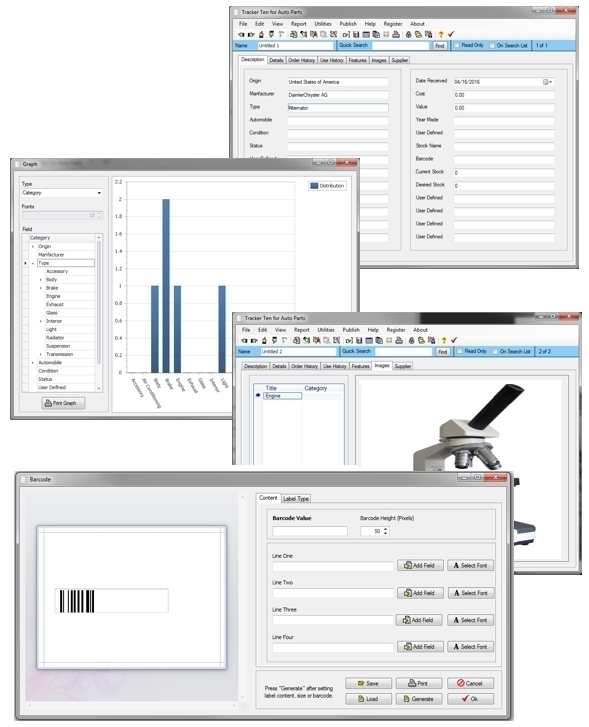
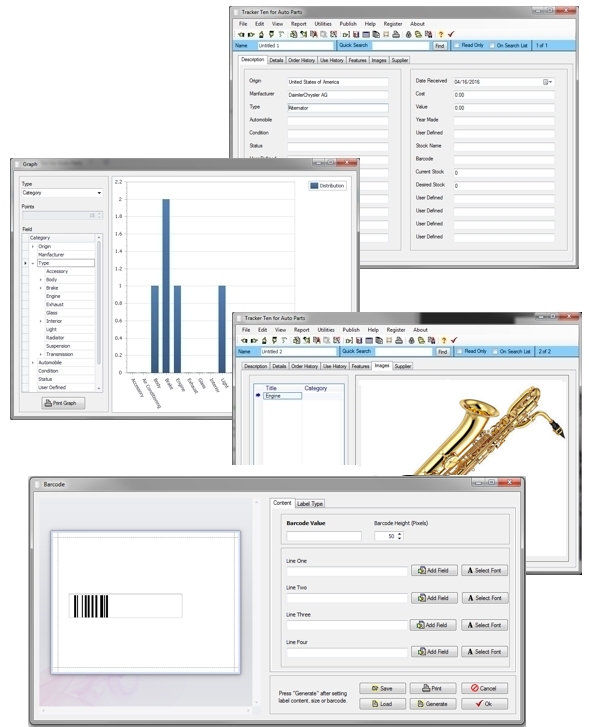
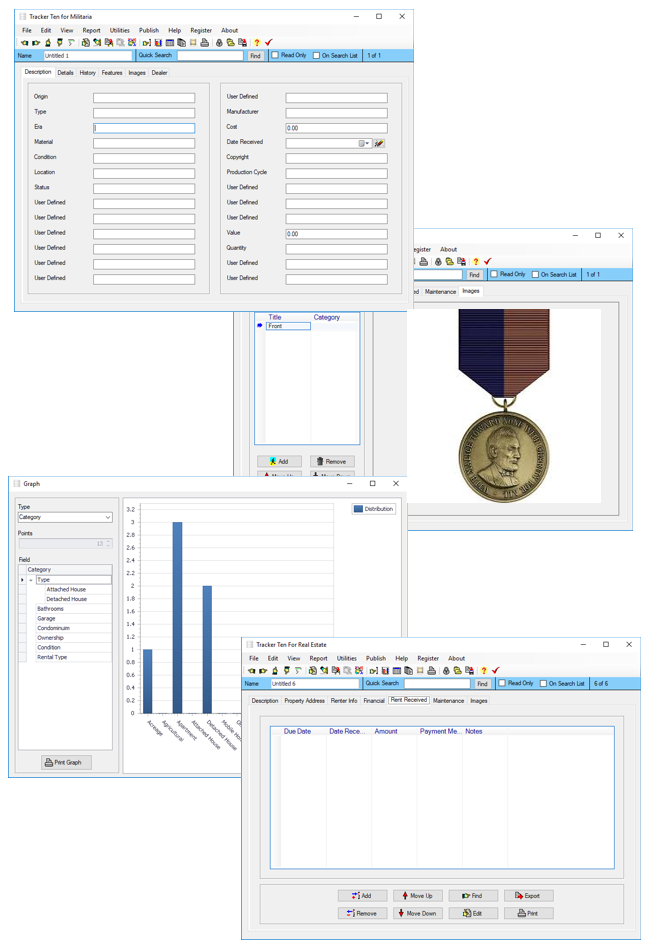
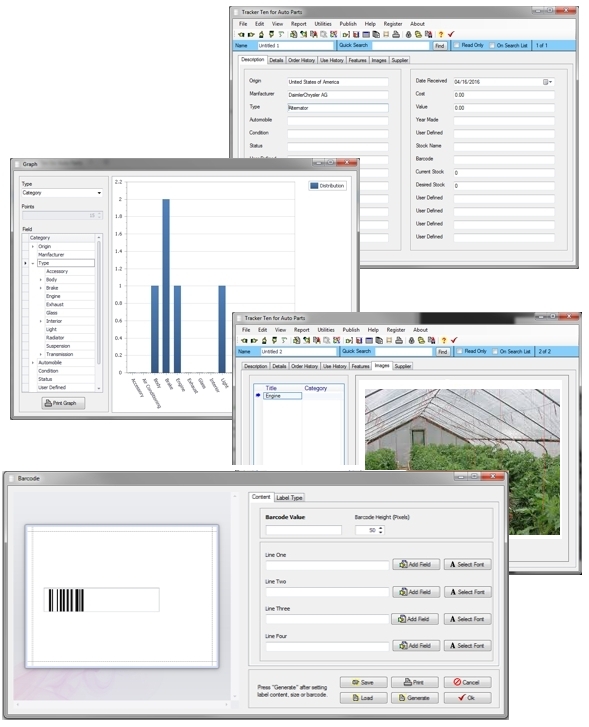
As wine collections grow, managing them manually becomes increasingly difficult. Wine collecting database software offers an efficient way to track inventory, monitor aging windows, and organize detailed information about each bottle.
Good wine collection software allows collectors to record essential details such as producer, vintage, region, grape variety, purchase price, storage location, and tasting notes. This centralized information reduces the risk of forgotten bottles and unnecessary duplicate purchases.
Many modern systems also provide valuation tools, drinking window recommendations, and reporting features. These tools help collectors make informed decisions about when to open, sell, or acquire new wines.
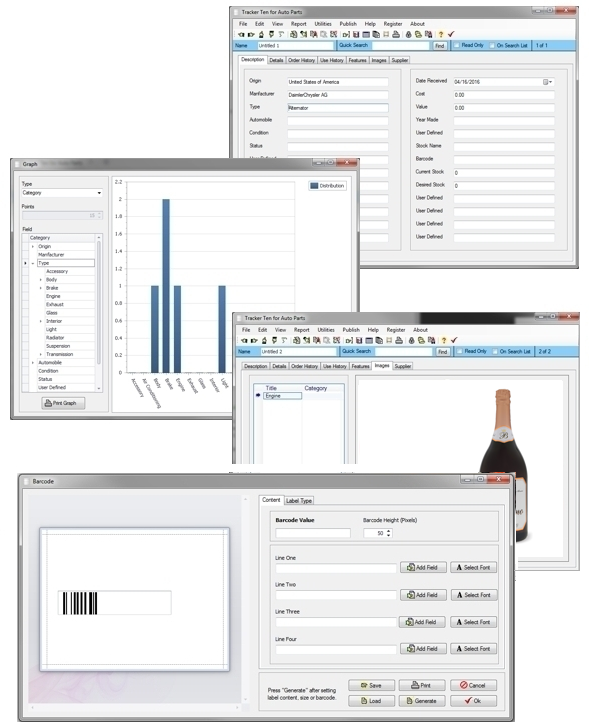
For home collectors and small businesses alike, dedicated wine database software can significantly enhance organization and enjoyment. If you are looking for a practical solution, consider Tracker Ten for Wine, a specialized application designed to simplify wine collection management and help you focus on enjoying your wines rather than tracking them manually.
Ultimately, wine collecting is about balance—between structure and spontaneity, patience and pleasure, knowledge and curiosity. With thoughtful planning and the right tools, your wine collection can become a lasting source of enjoyment, discovery, and satisfaction.
Looking for windows database software? Try Tracker Ten
- PREVIOUS Business Invoices Friday, October 25, 2024
- NextProfitable Hobbies Thursday, October 10, 2024