Transportation
Automotive Fleet Database
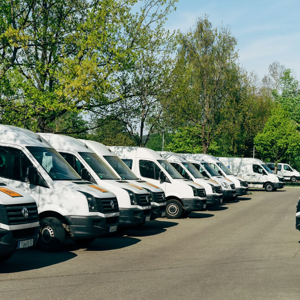
An automotive fleet is a collection of vehicles owned or leased by a company or organization to serve business purposes. Fleets play a vital role in industries such as transportation, delivery, logistics, construction, healthcare, and government services. Proper management of these fleets is crucial for operational efficiency, cost control, safety, and regulatory compliance.
Companies operate automotive fleets for several key reasons:
Cost savings: Operating a fleet allows companies to take advantage of bulk purchasing, fleet discounts, and optimized maintenance programs, reducing overall vehicle expenses.
Control: Ownership or leasing provides organizations with control over vehicle specifications, maintenance schedules, and operational policies.
Branding: Vehicles often act as mobile advertisements. Branding on fleet vehicles increases visibility and promotes brand recognition in local communities.
Efficiency: Managing a fleet ensures that the right vehicles are available for the right tasks. Fleet optimization helps reduce downtime, streamline routes, and improve overall productivity.
Compliance: Companies must comply with regulations regarding vehicle safety, emissions, driver qualifications, and record-keeping, which are easier to monitor with a centralized fleet system.
Managing a fleet is complex and requires attention to multiple areas, including vehicle acquisition, fuel management, driver training, maintenance, and reporting. Many organizations implement fleet management software or partner with third-party providers to optimize fleet operations and maintain accurate records.
Fleet Maintenance
Fleet maintenance is essential to keep vehicles safe, reliable, and cost-efficient. A structured maintenance program minimizes downtime, prevents costly repairs, and extends vehicle lifespans.
Key elements of fleet maintenance include:
Preventive maintenance: Regular inspections and scheduled maintenance tasks, such as oil changes, tire rotations, brake checks, and suspension inspections, prevent breakdowns and reduce long-term repair costs.
Scheduled maintenance: Maintenance based on mileage or operating hours ensures timely replacement of belts, hoses, fluids, and other critical components.
Repairs: Promptly addressing vehicle issues prevents further damage and reduces downtime. Working with qualified mechanics ensures repairs are effective and safe.
Record keeping: Keeping detailed records of inspections, repairs, and parts replacements helps track vehicle history, supports warranty claims, and ensures regulatory compliance.
Driver training: Educating drivers on proper vehicle operation, safety protocols, and minor maintenance tasks helps prevent accidents and prolongs vehicle life.
Well-executed fleet maintenance reduces operational disruptions, lowers costs, and ensures fleet safety and compliance with regulations.
Fleet Drivers
Fleet drivers are responsible for operating vehicles safely and efficiently. They work in transportation, delivery, logistics, construction, and many other sectors. Drivers must follow company policies, safety protocols, and legal regulations to ensure smooth fleet operations.
Key responsibilities include:
Vehicle operation: Driving safely, maintaining cleanliness, and reporting any mechanical issues or damages to the fleet manager.
Delivery and transportation: Ensuring goods and passengers reach their destinations on time and are transported securely.
Route planning and optimization: Using GPS and route-planning tools to reduce travel time, fuel consumption, and wear and tear on vehicles.
Safety: Practicing defensive driving, securing loads properly, and adhering to emergency protocols and first aid procedures.
Compliance: Following laws, licensing requirements, and internal company policies regarding vehicle use, reporting, and maintenance.
Fleet drivers directly impact operational efficiency, customer satisfaction, and the safety and longevity of fleet vehicles.
Fleet Types
Fleet composition varies based on organizational needs. Understanding the different fleet types helps in developing effective management strategies.
Commercial fleets: For transporting goods and services. Includes delivery trucks, cargo vans, and box trucks.
Government fleets: Operated by federal, state, or local authorities for personnel transport, supply delivery, or law enforcement.
Utility fleets: Owned by utility service providers such as water, gas, and electricity companies. Often equipped with specialized vehicles for field work.
Emergency fleets: Police, fire, ambulance, and rescue vehicles designed for rapid response and equipped with specialized equipment.
Construction fleets: Heavy trucks, cranes, and other equipment to transport materials and personnel to job sites.
Rental fleets: Managed by rental companies for short-term vehicle rentals to consumers.
Personal use fleets: Owned by individuals or organizations for personal transportation needs.
Each fleet type has unique operational challenges, maintenance requirements, and regulatory considerations that must be accounted for in management strategies.
Fleet Fuel
Fuel represents a major expense for fleets, making effective fuel management essential. Fleet managers monitor fuel usage, optimize routes, and implement cost-saving measures.
Common fuel types include:
Gasoline: Used primarily in passenger vehicles and light-duty trucks.
Diesel: Preferred for heavy-duty trucks and vehicles requiring high torque and power.
Alternative fuels: Biodiesel, ethanol, compressed natural gas (CNG), and electric options reduce environmental impact and may offer long-term cost savings.
Fuel management strategies include:
Fuel economy: Driver training and regular maintenance improve efficiency.
Route optimization: GPS and routing software minimize fuel consumption.
Fuel purchasing strategies: Bulk discounts and rewards programs lower costs.
Monitoring and reporting: Telematics track fuel usage and identify opportunities for improvement.
Alternative fuels: Utilizing eco-friendly fuels supports sustainability goals.
Fleet Repair
Fleet repair ensures that vehicles remain safe, reliable, and operational. Proactive repair management prevents costly downtime and extends vehicle lifespans.
Preventive maintenance: Scheduled inspections and maintenance reduce the likelihood of breakdowns.
Regular inspections: Early identification of issues prevents major repairs.
Timely repairs: Addressing problems immediately avoids cascading failures.
Quality repairs: Trained technicians using quality parts ensure long-lasting repairs.
Record keeping: Detailed documentation supports compliance and vehicle history tracking.
Fleet Financing
Financing is a key aspect of fleet management, especially when acquiring multiple vehicles. Fleet financing involves evaluating purchase options, costs, and financing methods to optimize fleet investment.
Fleet size and vehicle selection: Assess the number and type of vehicles required to meet business needs.
Financing options: Leasing, traditional loans, or lines of credit can be considered based on cost-effectiveness and organizational goals.
Total cost of ownership: Consider depreciation, maintenance, insurance, and fuel costs.
Negotiating with dealerships: Bulk discounts and special incentives reduce upfront costs.
Creditworthiness: Strong credit improves financing terms and interest rates.
Fleet Outsourcing
Some organizations outsource fleet management to specialized providers for improved efficiency, cost savings, and access to technology.
Services provided: Includes vehicle procurement, maintenance, fuel management, and driver management.
Cost considerations: Evaluate fees against potential savings from reduced staff and operational expenses.
Expertise and technology: Outsourcing partners often provide advanced software, telematics, and industry expertise.
Contractual agreements: Clear contracts define service levels, responsibilities, and costs.
Communication and collaboration: Ongoing interaction ensures the partner meets fleet management requirements.
Self-Driving Fleets
Self-driving or autonomous fleets use advanced sensors, cameras, and software to operate without human drivers. These fleets are becoming more prevalent in logistics and transportation sectors.
Autonomous driving technology: Vehicles navigate roads, traffic, and obstacles independently.
Safety: Reduces accidents caused by human error, fatigue, or distraction.
Operating costs: Minimizes labor costs and reduces insurance and repair expenses.
Efficiency: Optimized routing and reduced idle time improve fuel consumption and productivity.
Data collection: Self-driving vehicles generate valuable operational data for fleet optimization.
Fleet Tracking Software
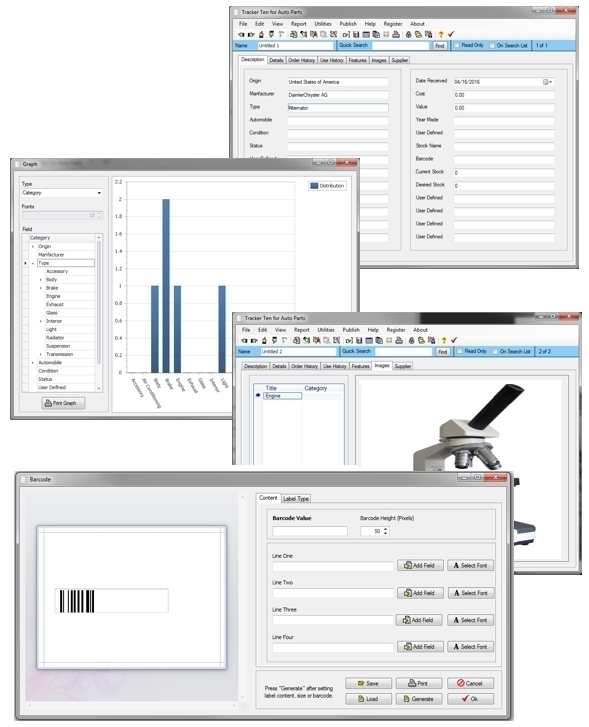
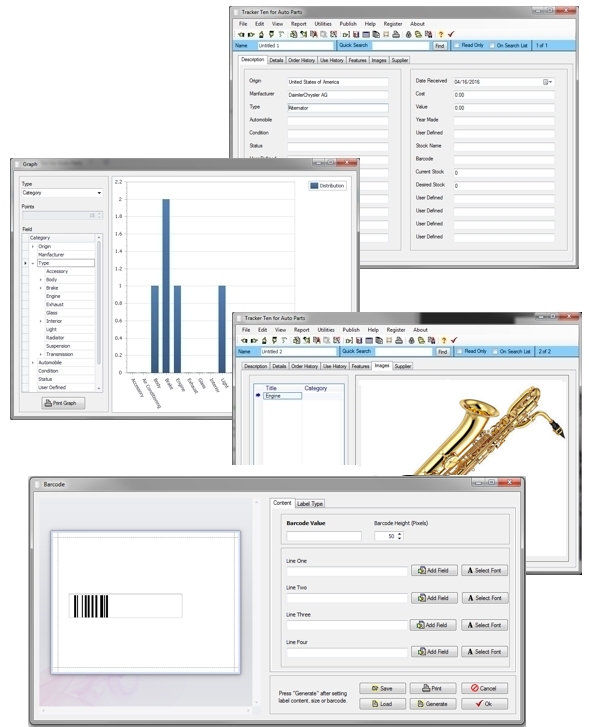
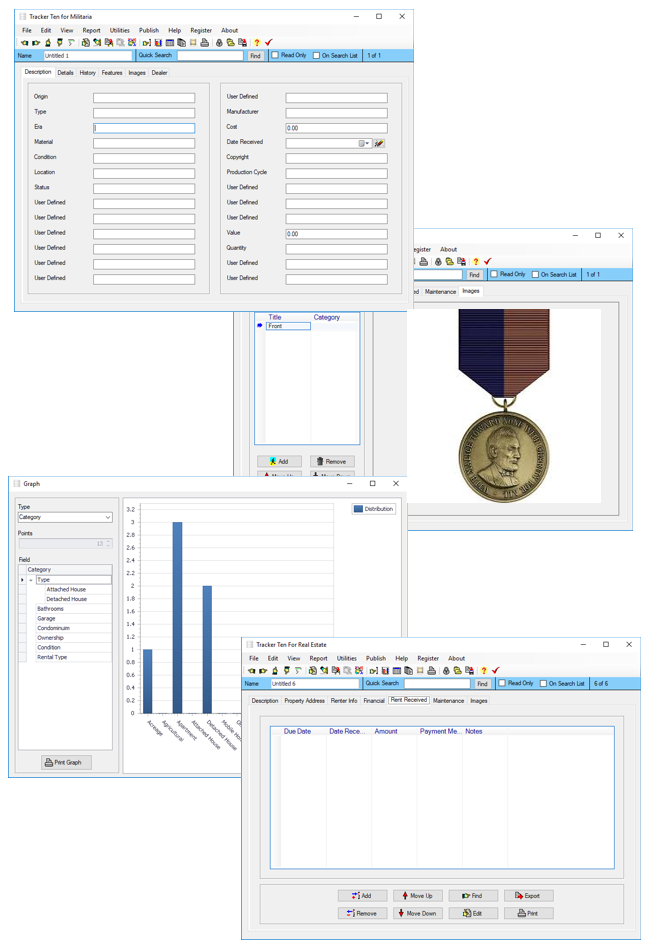
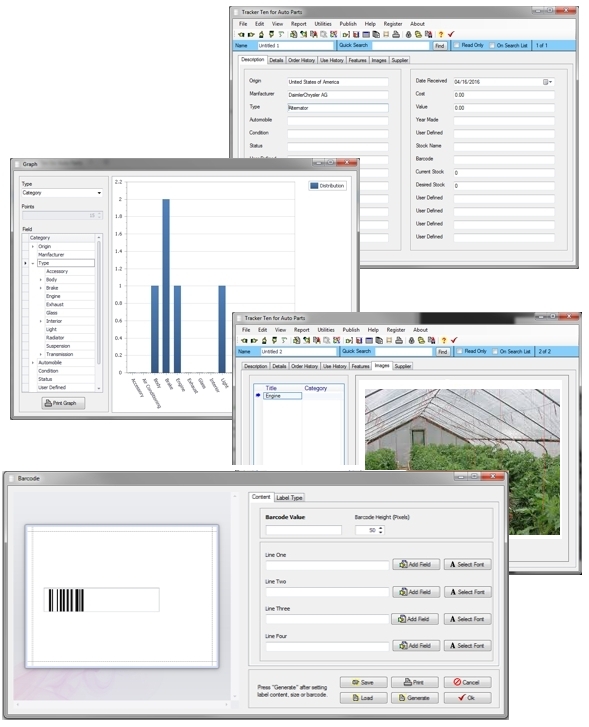
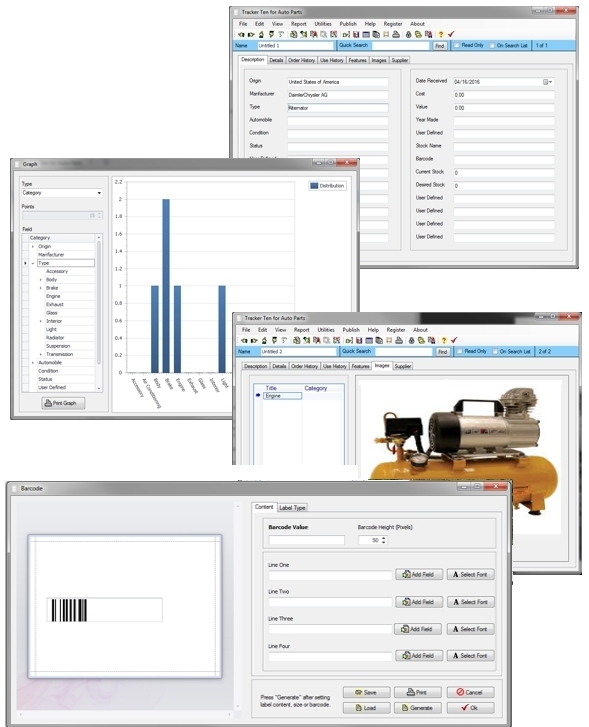
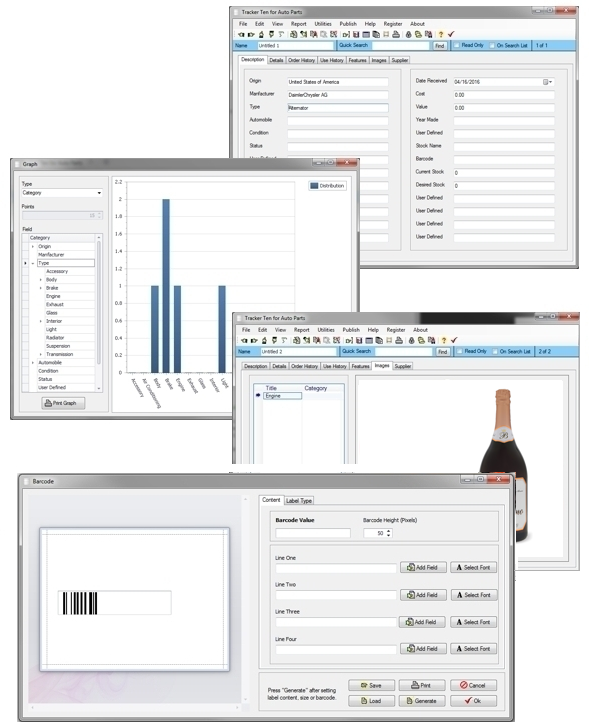
Fleet tracking software is essential for modern fleet management. It provides real-time monitoring, performance analytics, and comprehensive records for vehicles and drivers. Using software like Tracker Ten for Fleets can streamline operations, enhance safety, optimize fuel usage, and simplify compliance with regulations.
Effective fleet management software enables:
Real-time location tracking
Maintenance scheduling and reminders
Fuel usage monitoring and cost analysis
Driver performance tracking and reporting
Automated reporting for compliance and insurance purposes
Integration with GPS, telematics, and other enterprise systems
By implementing fleet tracking software, organizations can reduce costs, enhance safety, increase operational efficiency, and ensure timely maintenance and repairs. This investment in technology supports informed decision-making and helps fleet managers adapt to changing business needs.
In conclusion, managing an automotive fleet requires attention to maintenance, fuel, repairs, financing, driver management, and technological integration. A comprehensive fleet database and tracking software not only streamlines these processes but also provides valuable insights, improves efficiency, and reduces overall operating costs. Whether managing commercial, government, utility, emergency, construction, rental, or personal fleets, proper fleet management ensures safety, compliance, and optimal performance for every vehicle in the fleet.
Looking for windows database software? Try Tracker Ten
- PREVIOUS Comic Book Collecting Database Software Thursday, October 23, 2025
- NextLakehouse Data Architecture Saturday, September 27, 2025