Hobbies
Model Train Collecting
Model train collecting is a hobby that combines craftsmanship, engineering, history, art, and imagination. For more than a century, people of all ages have been drawn to miniature railroads that capture the romance of real trains in scaled-down form. Whether the appeal lies in nostalgia, mechanical curiosity, historical preservation, or creative expression, model train collecting offers something unique that few other hobbies can match.
At its core, model train collecting is about more than owning miniature locomotives and railcars. It is about storytelling, problem-solving, and building a personal world where every track, building, and train has meaning. Some collectors focus on assembling rare and valuable pieces, while others enjoy building expansive layouts that recreate real places or imagined landscapes. Many do both. Regardless of approach, model train collecting remains a deeply rewarding pastime that can last a lifetime.
This article explores the history of model trains, the major scales and gauges, the collecting aspect of the hobby, layout design, technological advancements, maintenance, community involvement, and the reasons why model train collecting continues to thrive in the modern era.
The History of Model Trains
The origins of model trains can be traced back to the late 19th century, when toy manufacturers began producing simple wind-up and clockwork trains. These early models were often made of tin and were primarily intended as children’s toys. However, as railroads became central to industrial growth and everyday life, miniature trains began to capture the imagination of adults as well.
In the early 20th century, companies such as Märklin in Germany and Lionel in the United States helped define the modern model train hobby. Märklin introduced standardized gauges and electrical power systems, making trains more reliable and easier to expand. Lionel popularized electric trains in North America and marketed them heavily during the holiday season, embedding model trains into popular culture.
After World War II, model railroading experienced a major boom. Returning veterans brought home technical skills and a desire for creative hobbies. At the same time, manufacturers began producing more accurate and detailed models. The introduction of smaller scales made it possible to build complex layouts in limited space, further expanding the hobby’s appeal.
Over the decades, model trains evolved from simple toys into highly detailed scale models. Today’s collectors can find locomotives with digital sound, realistic lighting, and fine details that rival museum-quality miniatures.
Understanding Scales and Gauges
One of the first concepts any model train collector encounters is scale and gauge. Scale refers to the ratio between the model and the real train, while gauge refers to the distance between the rails. Choosing a scale is one of the most important decisions in the hobby, as it affects space requirements, cost, availability, and overall aesthetic.
O scale is one of the oldest and most recognizable scales, especially in North America. Traditionally associated with Lionel trains, O scale models are large, durable, and visually impressive. They are popular among collectors who enjoy classic trains and nostalgic layouts. However, their size means they require more space than smaller scales.
HO scale is the most popular scale worldwide. At 1:87 scale, HO offers an ideal balance between detail and space efficiency. Collectors can build realistic layouts with long trains and intricate scenery without needing an entire room. Because of its popularity, HO scale has the widest selection of locomotives, rolling stock, and accessories.
N scale is significantly smaller, allowing collectors to build expansive rail networks in compact spaces. This scale appeals to those who enjoy running long trains or recreating vast geographic regions. Advances in manufacturing have greatly improved the detail and reliability of N scale models.
Other scales include Z scale, which is extremely small, and G scale, often used for outdoor garden railways. Each scale has its own strengths, and many collectors eventually explore more than one.
The Appeal of Collecting Model Trains
For many enthusiasts, collecting model trains is as important as operating them. Collectors may focus on specific manufacturers, eras, railroads, or locomotive types. Some seek vintage tinplate trains from the early 20th century, while others collect modern, highly detailed scale models.
Rarity plays a significant role in the collecting aspect of the hobby. Limited production runs, discontinued models, and factory variations can make certain trains highly desirable. Condition is also critical, especially for vintage pieces. Original boxes, paperwork, and unmodified components can significantly increase a model’s value.
Historical significance is another major draw. Model trains often represent real locomotives and railroads that played important roles in regional or national history. Collecting these models allows enthusiasts to preserve and celebrate the legacy of rail transportation.
Some collectors view model trains as investments, though most participate primarily for enjoyment. While certain rare models have appreciated in value, the true reward for most collectors lies in the satisfaction of ownership and the stories behind each piece.
Layout Design and Scenic Modeling
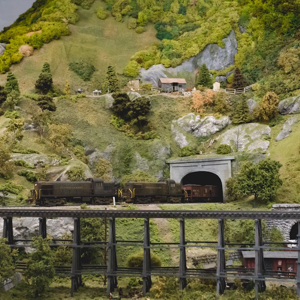
Building a layout is one of the most creative aspects of model train collecting. A layout can be as simple as a loop of track on a table or as complex as a multi-level railroad that fills an entire room. The design process involves planning track arrangements, scenery, structures, and operating features.
Many model railroaders choose a theme for their layout. This might be a specific geographic location, such as a mountain pass or urban rail yard, or a particular era, such as the steam age or modern diesel operations. The chosen theme influences everything from rolling stock selection to scenery materials.
Scenic modeling adds realism and atmosphere to a layout. Techniques include building terrain with foam or plaster, painting backdrops, adding trees and vegetation, and constructing buildings. Attention to small details, such as weathering and scale figures, brings a layout to life.
Layouts can also incorporate operational realism. This might include switching yards, industries that require freight delivery, and schedules that simulate real railroad operations. For many hobbyists, operating sessions with friends are the highlight of the hobby.
Technology and Modern Model Trains
Technology has transformed model train collecting in recent decades. Digital Command Control (DCC) allows operators to control multiple locomotives independently on the same track. With DCC, collectors can adjust speed, lighting, and sound effects with remarkable precision.
Sound-equipped locomotives reproduce realistic engine noises, horns, bells, and even crew announcements. These features add a new dimension to the hobby, making layouts more immersive than ever before.
Computer integration has also become common. Software can manage signaling systems, automate train movements, and even simulate dispatcher operations. For technologically inclined collectors, these advancements offer endless possibilities.
Despite these innovations, traditional analog control systems remain popular. Many collectors enjoy the simplicity and reliability of older technology, especially when working with vintage trains.
Maintenance and Care of Model Trains
Proper maintenance is essential to preserving both the value and performance of model trains. Regular cleaning of wheels and track ensures smooth operation and prevents electrical issues. Dust and debris can accumulate quickly, especially on layouts with detailed scenery.
Lubrication of moving parts helps prevent wear and prolongs the life of locomotives. It is important to use appropriate lubricants and apply them sparingly, as excess oil can attract dirt.
Storage is another key consideration, particularly for collectors with large collections. Models should be stored in a dry, temperature-controlled environment. Original packaging provides the best protection, especially for delicate or valuable items.
For vintage trains, restoration may be necessary. This can range from minor repairs to complete overhauls. Some collectors prefer to keep models in original condition, while others enjoy the challenge of restoring old trains to working order.
The Model Train Community
One of the greatest strengths of model train collecting is the community surrounding the hobby. Clubs, exhibitions, and conventions provide opportunities to share knowledge, display layouts, and connect with fellow enthusiasts.
Local model railroad clubs often operate large, permanent layouts and welcome members of all skill levels. These clubs are excellent places to learn new techniques and gain inspiration.
Train shows and swap meets are popular events where collectors can buy, sell, and trade models. They also offer a chance to see rare items and meet manufacturers.
Online forums, social media groups, and video platforms have further expanded the community. Collectors can now share their work with a global audience and access a wealth of information at their fingertips.
Why Model Train Collecting Endures
In a world increasingly dominated by digital entertainment, model train collecting offers a tangible, hands-on experience. It encourages patience, creativity, and problem-solving. It bridges generations, allowing grandparents and grandchildren to share a common interest.
The hobby also provides a sense of accomplishment. Completing a layout, restoring a locomotive, or acquiring a long-sought model brings genuine satisfaction. Model trains offer a creative outlet that can be both relaxing and intellectually stimulating.
Perhaps most importantly, model train collecting connects people to history and imagination. Each train tells a story, whether it represents a real railroad from the past or a fictional line in a miniature world. Through this hobby, collectors become historians, engineers, artists, and storytellers all at once.
Conclusion
Model train collecting is a rich and multifaceted hobby with deep historical roots and a vibrant modern presence. From collecting rare locomotives to building immersive layouts, the hobby offers endless opportunities for creativity and learning. Whether approached as a casual pastime or a lifelong passion, model train collecting continues to capture the hearts of enthusiasts around the world.
As technology advances and new generations discover the joy of miniature railroads, the future of model train collecting remains bright. It is a hobby that honors the past, embraces innovation, and invites anyone with curiosity and imagination to climb aboard.
Model Train Collecting Database Software
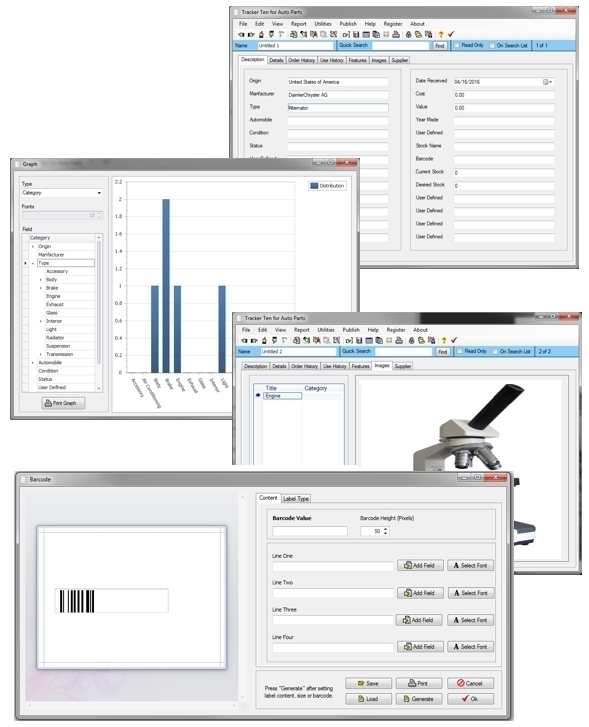
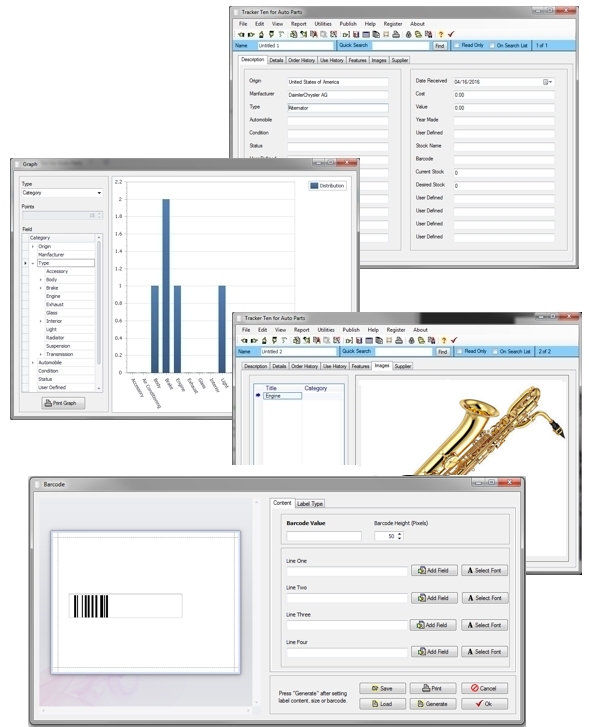
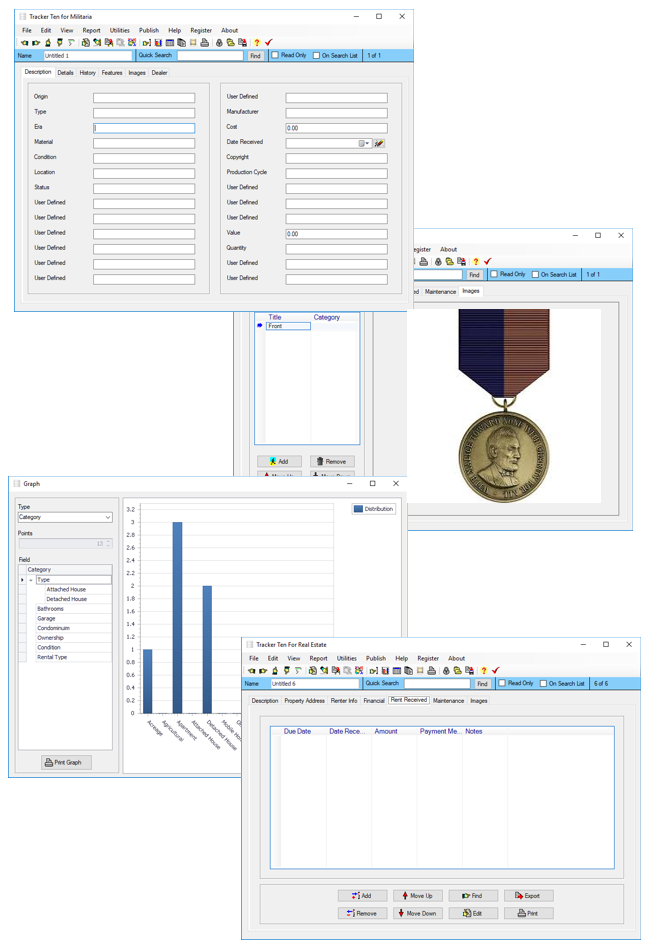
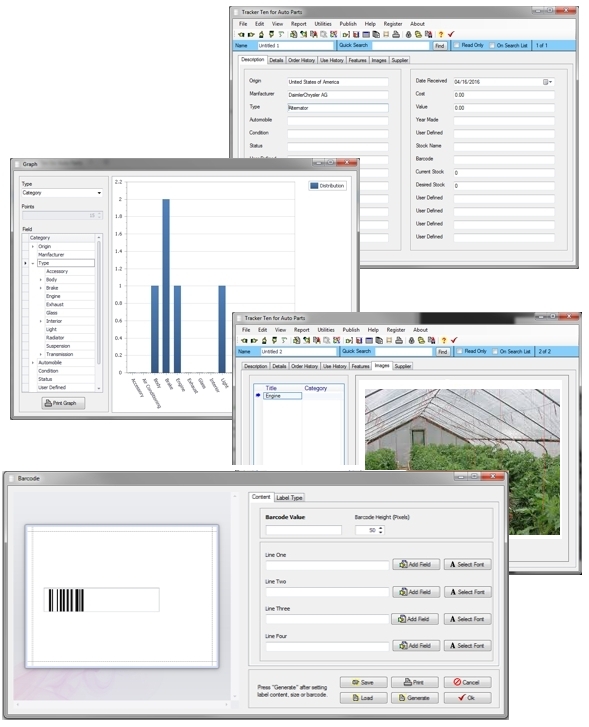
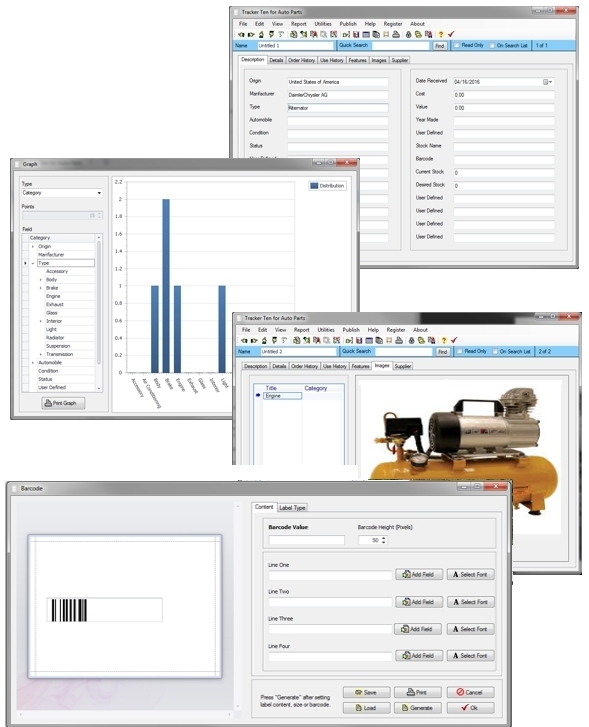
If you are looking for software to help you keep track of your Train Collection, Try our Tracker Ten for Trains database software!
Looking for windows database software? Try Tracker Ten
- PREVIOUS Camera Collection Tracking Database Software Saturday, August 12, 2023
- NextDatabase Normalization Sunday, July 23, 2023