General
Why Stand Alone Windows Software is Still Relevant

In an age dominated by cloud platforms, web applications, and software-as-a-service subscriptions, it is easy to assume that stand-alone Windows software has become obsolete. Yet despite rapid technological change, stand-alone applications continue to play an important and often underestimated role in modern computing. For many individuals and organizations, locally installed Windows software remains not only relevant but essential. Its continued value lies in reliability, control, security, performance, cost efficiency, and long-term usability—qualities that are sometimes difficult to achieve in fully network-dependent environments.
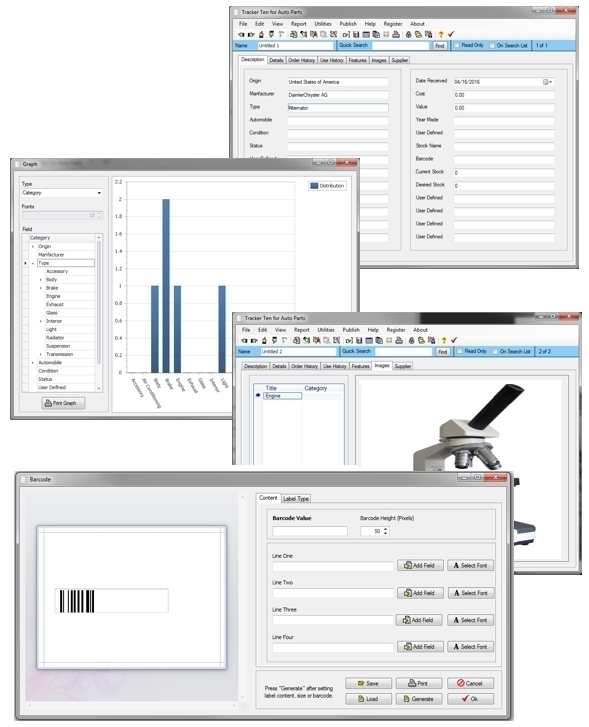
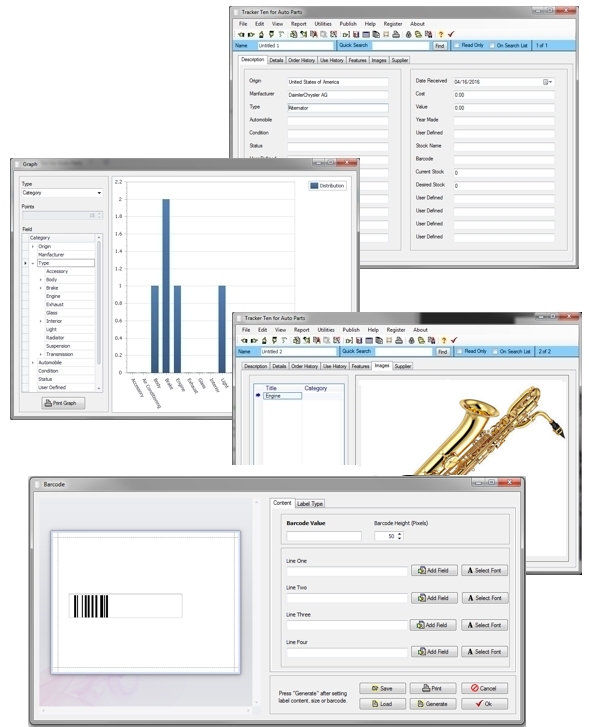
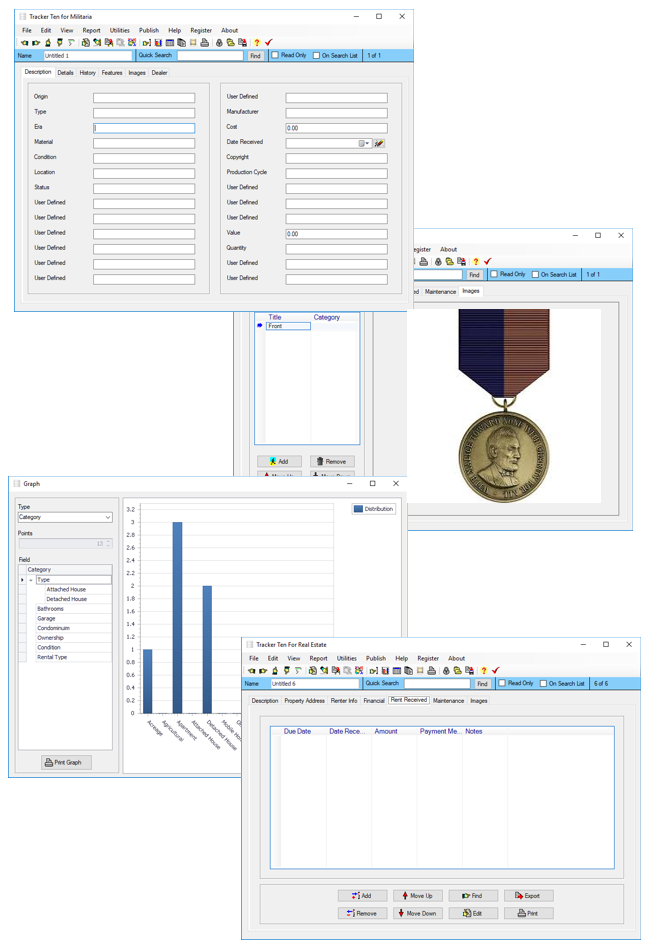
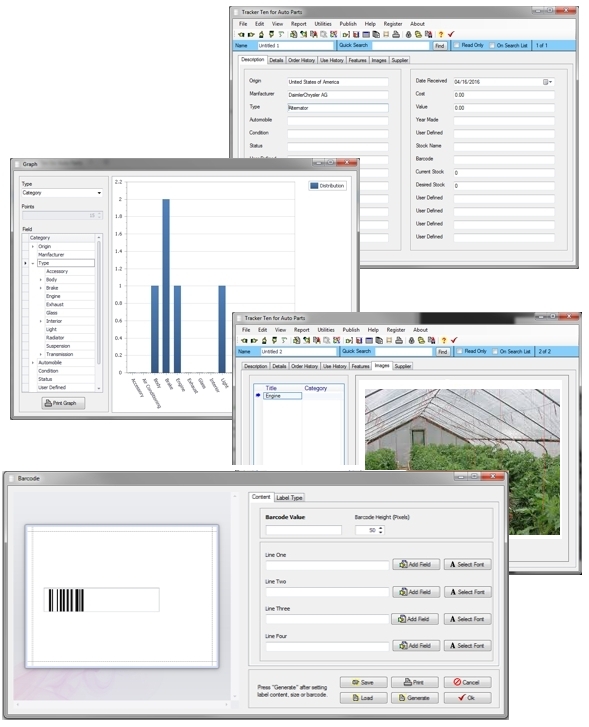
Stand-alone Windows software refers to applications that are installed and run locally on a computer without requiring continuous internet access or reliance on remote servers. While updates and optional integrations may exist, the core functionality of the software operates independently. This model has proven resilient over decades of technological evolution, adapting to new hardware and operating system improvements while retaining its fundamental strengths.
One of the most compelling reasons stand-alone Windows software remains relevant is reliability. Cloud-based and web-dependent applications rely on a chain of components that must all function correctly: internet connectivity, remote servers, authentication services, and third-party infrastructure. Any failure along that chain can render the software temporarily or permanently unusable. Stand-alone software, by contrast, continues to function as long as the local computer is operational. This reliability is especially important in environments where downtime is costly or unacceptable, such as manufacturing, healthcare, education, and field operations.
Offline capability is closely tied to reliability and remains a major advantage of stand-alone Windows software. Not all users have consistent or high-speed internet access, and even in well-connected regions, outages still occur. Stand-alone applications allow users to work uninterrupted regardless of network conditions. This is particularly valuable for mobile workers, remote locations, secure facilities, and situations where internet access is intentionally restricted for security reasons.
Security is another area where stand-alone Windows software continues to excel. Network connectivity increases exposure to external threats, including hacking, malware, ransomware, and data breaches. While cloud providers invest heavily in security, no connected system is immune to risk. Stand-alone software reduces the attack surface by limiting or eliminating network access. Sensitive data stored locally can be protected through physical security, local encryption, and strict access controls, making it more difficult for unauthorized parties to gain access.
For organizations with strict data protection requirements, such as government agencies, research institutions, and regulated industries, stand-alone software provides a level of control that is difficult to match in cloud environments. Data residency, access policies, and compliance requirements can be enforced more directly when data remains on local systems. This control is especially important when dealing with proprietary information, intellectual property, or confidential records.
Performance is another strong argument in favor of stand-alone Windows software. Local applications can take full advantage of a computer’s processing power, memory, and storage without the latency associated with network communication. Tasks such as data processing, reporting, media editing, and analysis often run faster and more smoothly in stand-alone applications than in browser-based or remote solutions. For users who depend on responsiveness and efficiency, local software remains the preferred option.
Customization and flexibility also contribute to the ongoing relevance of stand-alone Windows software. Many locally installed applications offer deep customization options, allowing users to tailor workflows, interfaces, and features to their specific needs. Unlike many cloud platforms, which are designed for broad audiences and standardized use cases, stand-alone software can be adapted to niche requirements and specialized industries. This flexibility is particularly valuable for small businesses and specialized professionals who need tools that align closely with how they work.
Cost predictability is another important consideration. Stand-alone Windows software is often sold under a one-time license or long-term license model, allowing users to pay once and use the software for years. This contrasts with subscription-based models that require ongoing payments and can become expensive over time. For individuals and organizations with tight budgets or long planning horizons, the ability to avoid recurring fees is a significant advantage.
Long-term access to data is closely related to cost and ownership. With stand-alone software, users retain direct access to their data regardless of changes in vendors, pricing models, or service availability. Cloud services may change terms, discontinue features, or shut down entirely, potentially leaving users scrambling to migrate data. Stand-alone applications, especially those that store data in open or well-documented formats, provide greater assurance that data will remain accessible in the future.
Stand-alone Windows software also supports longevity and stability in workflows. Many organizations rely on systems that have been refined over years or even decades. These systems often integrate with hardware, processes, and training programs that would be costly and disruptive to replace. Stand-alone applications can be maintained and upgraded incrementally, preserving institutional knowledge and minimizing operational risk.
Another reason stand-alone software remains relevant is its role in environments where simplicity and focus are valued. Web applications often include frequent interface changes, feature updates, and distractions tied to online ecosystems. Stand-alone software tends to be more stable in design, allowing users to focus on their tasks without constant adjustments. This consistency can improve productivity and reduce training time.
Privacy considerations further reinforce the value of local software. Stand-alone applications typically collect minimal usage data, and what data they do collect often remains under the user’s control. In contrast, many cloud services gather extensive telemetry for analytics, marketing, or product development. For users who prioritize privacy or operate under strict data governance rules, stand-alone software offers peace of mind.
It is also important to recognize that stand-alone Windows software is not opposed to modern technology but can coexist with it. Many contemporary stand-alone applications offer optional integrations, data export features, and controlled connectivity when needed. This hybrid approach allows users to benefit from modern conveniences without surrendering full control or becoming entirely dependent on external services.
The Windows platform itself continues to support and enhance stand-alone applications. Modern versions of Windows provide robust security features, improved performance, and compatibility with a wide range of hardware. This ongoing support ensures that stand-alone software remains viable and capable of evolving alongside user needs.
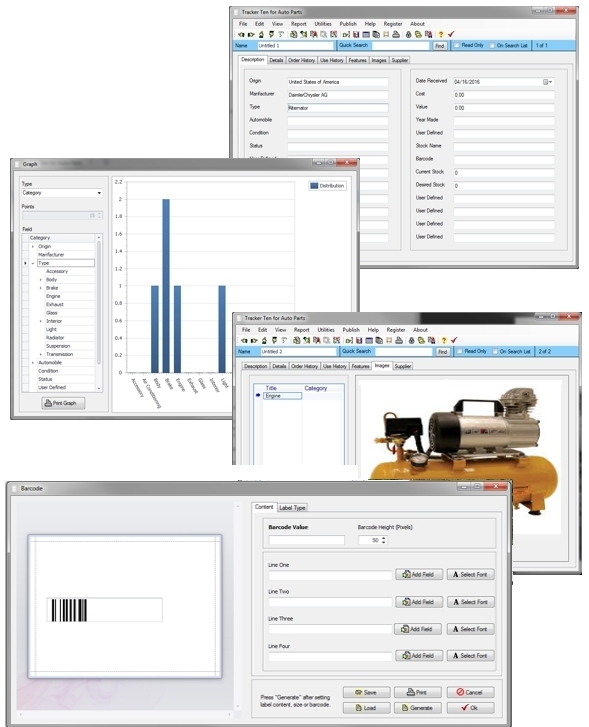
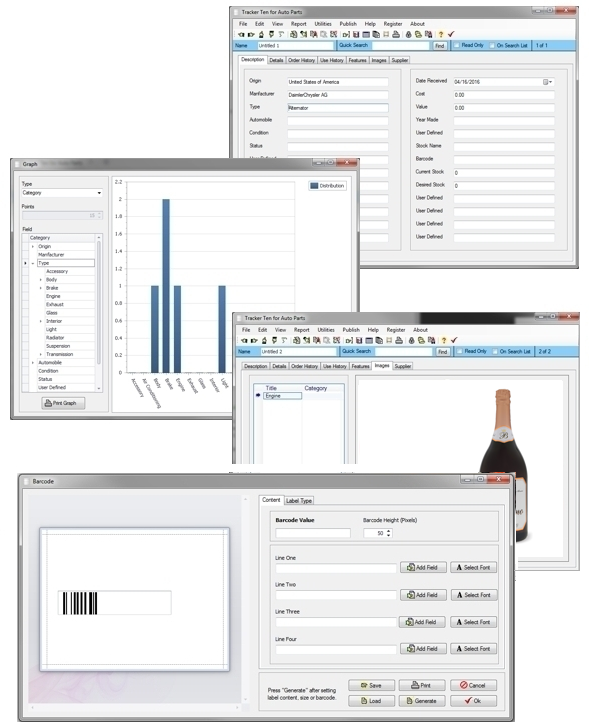
In education, small business, creative industries, and technical fields, stand-alone Windows software continues to be a cornerstone of daily operations. Whether used for databases, design tools, accounting systems, or specialized management applications, these programs demonstrate that local software still delivers tangible value.
In conclusion, stand-alone Windows software remains relevant because it addresses real and enduring needs that modern computing has not eliminated. Reliability, offline access, security, performance, customization, cost control, data ownership, and privacy all contribute to its continued importance. While cloud and web-based solutions offer convenience and scalability, they are not universal replacements. For many users and organizations, stand-alone Windows software provides a dependable, efficient, and controlled computing experience that continues to stand the test of time.
Looking for windows database software? Try Tracker Ten
- PREVIOUS Lakehouse Data Architecture Saturday, September 27, 2025
- NextDatabases in Science Fiction Sunday, September 21, 2025